Table of Contents
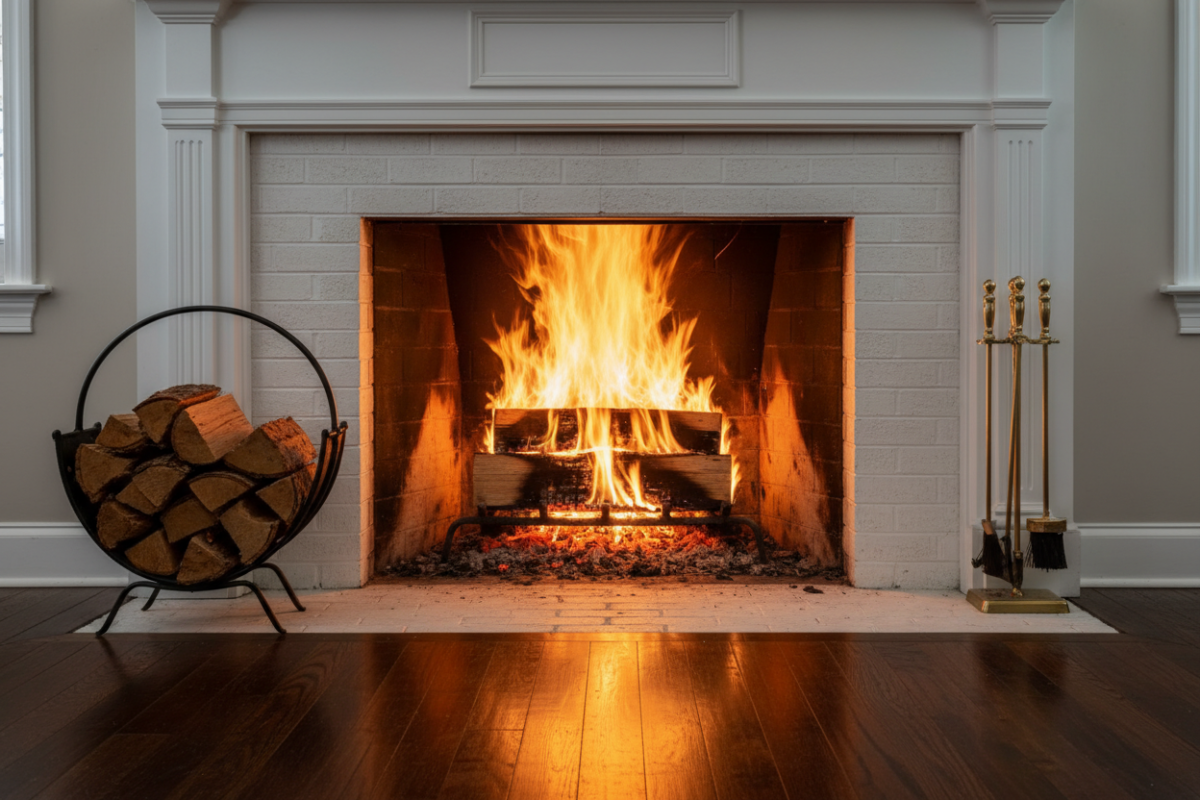
A fireplace is supposed to make a room feel warm, calm, and a little bit special.
That is the whole point.
The soft crackling sound, the glow, the feeling that the house is somehow a little more alive in winter. It is one of those features that sounds romantic in theory and can be incredibly comforting in real life.
Until the smoke starts coming into the house.
Then everything changes.
Instead of feeling cozy, the room feels stuffy. The smell hangs in the air. Your eyes water. The walls, curtains, and furniture start absorbing that smoky smell that seems impossible to remove. And if it keeps happening, the fireplace stops feeling like a treat and starts feeling like a problem you cannot ignore.
That is when most people ask the same question:
why is the fireplace smoke entering the home instead of going up the chimney?
And just as importantly:
what do you do about it?
The good news is that this problem is often fixable. It may take a few checks and a little patience, but in many cases the smoke issue comes down to airflow, chimney condition, wood quality, or a small setup problem that can be corrected.
The bad news is that if you ignore it, it usually gets worse.
So instead of hoping the smoke will magically stop, it helps to understand why it is happening and what to do first.
Why Fireplace Smoke Comes Into the House
A fireplace works because hot air rises.
That sounds simple, but the entire system depends on that upward pull being strong enough to move smoke out of the firebox and into the chimney. If something interferes with that flow, the smoke has nowhere clean to go. It starts spilling back into the room.
That can happen for several reasons:
- a cold chimney
- poor draft
- blocked airflow
- too much moisture in the wood
- a closed or partially closed damper
- negative air pressure inside the house
- chimney buildup or obstruction
Sometimes it is one clear cause. Sometimes it is a combination of small things that add up.
That is why fireplace smoke problems can feel confusing. The fire itself may look fine, but the smoke behavior tells a different story.
Start With the Easiest Check: Is the Damper Open?
This sounds obvious, but it is one of the first things to check.
A closed or partially closed damper can send smoke straight back into your room. Even if it is open only a little, that may not be enough for proper airflow.
So before thinking about anything more complicated, make sure:
the damper is fully open
It is such a small step that people sometimes overlook it, especially if they are distracted or have not used the fireplace in a while.
If the damper is stuck, rusty, or difficult to move, that is already a sign the fireplace may need maintenance.
Cold Chimney, Cold Air, Bad Draft
One of the most common reasons smoke comes into the house is a cold chimney.
When the chimney is cold, the air inside it is heavy. Smoke does not want to rise through it easily. Instead, it can stall, swirl, and drift back into the room.
This is especially common when:
- the fireplace has not been used for a while
- the weather is very cold outside
- the chimney sits on an exterior wall
- the house itself is tightly sealed
A cold chimney can be frustrating because the fire may still light, but the draft is not strong enough yet.
Sometimes the problem improves as the chimney warms up. But if smoke enters the room every time you start the fire, you may need to help the chimney begin drafting properly before lighting.
Air Pressure Inside the House Matters More Than People Think
This is one of the biggest hidden causes.
Modern homes are often more tightly sealed than older ones. That is good for energy efficiency, but it can create a negative pressure problem. In plain terms, the house may be so sealed up that it starts competing with the chimney for air.
If the fireplace cannot get enough indoor air to support the draft, smoke may reverse direction and come into the house.
This can happen when:
- exhaust fans are running
- kitchen vents are on
- bathroom fans are running
- windows and doors are all tightly closed
- the house is very tight and insulated
If the smoke problem gets worse when fans are on, that is a clue.
In some homes, simply opening a nearby window slightly can help restore balance. Not always dramatically, but enough to support the draft.
That small change can make a much bigger difference than people expect.
Wet or Unseasoned Wood Can Make Everything Worse
If the wood is too wet, the fire burns less efficiently.
That means more smoke, less heat, and a harder time getting the chimney warmed up properly.
This is one of the easiest mistakes to make because wood can look fine on the outside while still holding too much moisture inside. Wet wood does not burn cleanly. It smolders. And smoldering creates more smoke.
Signs the wood may be too wet include:
- difficulty getting the fire going
- lots of smoke even when the damper is open
- weak flame
- crackling that is minimal or inconsistent
- trouble keeping the fire strong
Dry, seasoned wood burns better and produces less smoke. If your fireplace keeps pushing smoke into the room, wood quality should absolutely be part of the checklist.
The Fire May Be Too Small at First
A weak fire often does not create enough heat to establish a strong draft.
That can cause smoke to linger inside the firebox and spill into the room before the chimney gets warm enough to pull properly.
This is why starting the fire well matters. If the fire is weak and slow, the chimney may never get the warm air column it needs to pull smoke upward.
The solution is not to panic and add more wood immediately. It is to build the fire in a way that supports airflow and heat from the beginning.
A small fire can work if the draft is already good. But if the chimney is cold or airflow is poor, the fire may need more help getting established.
Check for Blockages in the Chimney
If smoke keeps entering the room, there may be an obstruction somewhere in the chimney.
That can include:
- soot buildup
- creosote accumulation
- bird nests
- debris
- a chimney cap issue
- a partial blockage higher up
Even a partial obstruction can disrupt the draft enough to send smoke back into the house.
This is where the problem stops being a simple user issue and becomes a maintenance issue.
If the chimney has not been inspected or cleaned in a long time, that should move higher on the list.
A blocked or dirty chimney is not just a smoke problem. It can also become a safety problem.
Check the Firebox and Fireplace Opening
Sometimes the issue is not the chimney alone. The shape and condition of the fireplace opening can affect how smoke moves.
If the fireplace opening is too large for the chimney size, smoke may spill out more easily. If the firebox design is inefficient or has damage, airflow can become unpredictable.
You may also see smoke issues if:
- the firebox is dirty
- old ash buildup is restricting airflow
- the throat or smoke shelf needs cleaning
- the hearth area is cluttered
Even small buildup inside the fireplace can interfere with how the fire burns and how smoke rises.
A clean firebox performs better than one packed with old residue.
Why Opening a Window Can Help
This sounds counterintuitive at first.
Why would opening a window help a fireplace work better?
Because the fireplace needs air to burn and draft properly. If the room is too sealed, the chimney may not be able to pull enough air upward.
A nearby window can relieve that pressure and give the fireplace the airflow it needs.
This is not always a permanent fix, but it can be a helpful test.
If opening a window makes the smoke problem noticeably better, that tells you airflow and pressure are likely part of the issue.
That clue matters because it helps narrow down what is actually going wrong.
Don’t Ignore the Smoke Alarm Signal
If the fireplace smoke enters the home often enough to set off alarms, that is a sign the issue needs attention.
It is not something to brush off as normal.
Smoke inside the home can affect air quality and leave odors in fabrics, walls, and furniture. More importantly, it tells you the fireplace is not functioning the way it should.
If the problem is frequent, you should stop assuming it is just “how the fireplace is.”
It is not supposed to behave that way.
The First Things I Would Try in Order
If smoke keeps entering the home, the most practical approach is to start simple and move step by step.
1. Make sure the damper is fully open
This is the easiest fix and should always be checked first.
2. Confirm the wood is dry and seasoned
Wet wood creates smoke and weak flames.
3. Open a nearby window slightly
This helps test whether the house is too sealed.
4. Reduce competing exhaust fan use
Kitchen and bathroom fans can affect draft.
5. Clean out old ash and debris
A dirty firebox can make airflow worse.
6. Check for chimney blockage
If the problem keeps repeating, this becomes important quickly.
7. Have the chimney inspected if needed
A professional inspection may be the safest next move if the issue persists.
This order is useful because it saves time and keeps you from jumping straight to the most expensive solution.
Why Smell Alone Can Be a Clue
Sometimes there is smoke in the room even when it looks like a tiny amount.
But the smell itself matters.
A strong lingering fireplace smell may mean smoke is escaping during startup or whenever the draft weakens. If the smell keeps getting trapped indoors, the space can feel unpleasant for hours afterward.
That smell is often more than just an annoyance. It is a signal that the system is not drafting the way it should.
If your curtains, rugs, or furniture are starting to hold onto the smoke smell, the issue is likely recurring enough to merit a closer look.
Why Fireplaces Sometimes Smoke More at Startup
A lot of fireplaces behave worst at the beginning.
That is because the chimney has not warmed up yet. The cold air inside the flue may resist the upward pull that the fire is trying to create.
So the smoke has an awkward period where it is trying to leave, but the draft is not ready.
This is why the start of a fire often tells you the most. If the beginning is consistently smoky, the chimney may need help warming, the wood may be too wet, or the airflow may be too restricted.
Once the fire is going, things may improve. But repeated startup smoke is still a sign that something should be adjusted.
When the Fireplace Has Not Been Used in a While
If the fireplace has been sitting unused for months, the first fire of the season can be tricky.
The chimney may be cold. Dust or debris may have collected. Airflow may not be established yet. Even the room pressure can feel different depending on the season and how the house is being used.
This is why the first use of the year sometimes reveals problems that did not show up before.
If your fireplace only smokes heavily after long periods of inactivity, the system may simply need a better startup routine and a cleaning check before use.
The Importance of Regular Chimney Cleaning
A fireplace is one of those systems that rewards maintenance.
When the chimney is cleaned regularly, there is less buildup, less blockage, and less chance of smoke backing into the house.
A neglected chimney can create a chain reaction:
- poor draft
- smoke spill
- odor buildup
- creosote accumulation
- reduced performance
Keeping it clean does not solve every problem, but it removes one of the biggest reasons fireplaces misbehave.
What Not to Do
When smoke starts entering the house, the first instinct is often to just keep adding more wood or keep trying to force the fire to work.
That usually makes things worse.
Do not:
- keep piling in wood if the fire is already smoky
- ignore a closed damper
- burn obviously wet wood
- assume the problem will go away on its own
- keep using the fireplace if the smoke issue gets severe and repetitive
If something feels off, stop and check the basics before continuing.
That small pause can prevent a lot of frustration.
The Bigger Lesson
Fireplaces look simple from the outside.
A fire. A chimney. Smoke goes out. Warmth comes in.
But the system depends on airflow, balance, heat, and maintenance all working together at the same time. When one piece fails, the whole experience changes.
That is why smoke entering the home is such a useful warning sign. It tells you something is off before the problem becomes bigger.
And the good news is that many fireplace smoke issues can be improved with a few practical steps rather than a full replacement or major repair.
Final Thoughts
If your fireplace smoke keeps entering your home, do not treat it like a minor annoyance.
Treat it like a clue.
Start with the basics:
- check the damper
- use dry wood
- test airflow
- clean out buildup
- watch for chimney blockages
Then pay attention to when the smoke happens most. At startup. In windy weather. When fans are running. When the room is closed up tight. Those patterns usually point to the real cause.
A fireplace is supposed to make the home feel better, not fill it with smoke.
Once you understand why the draft is failing, the problem becomes much easier to solve.
And when it finally works the way it should, the whole room changes.
The smoke stays where it belongs. The fire feels cozy again. And the fireplace becomes a feature instead of a frustration.