Table of Contents
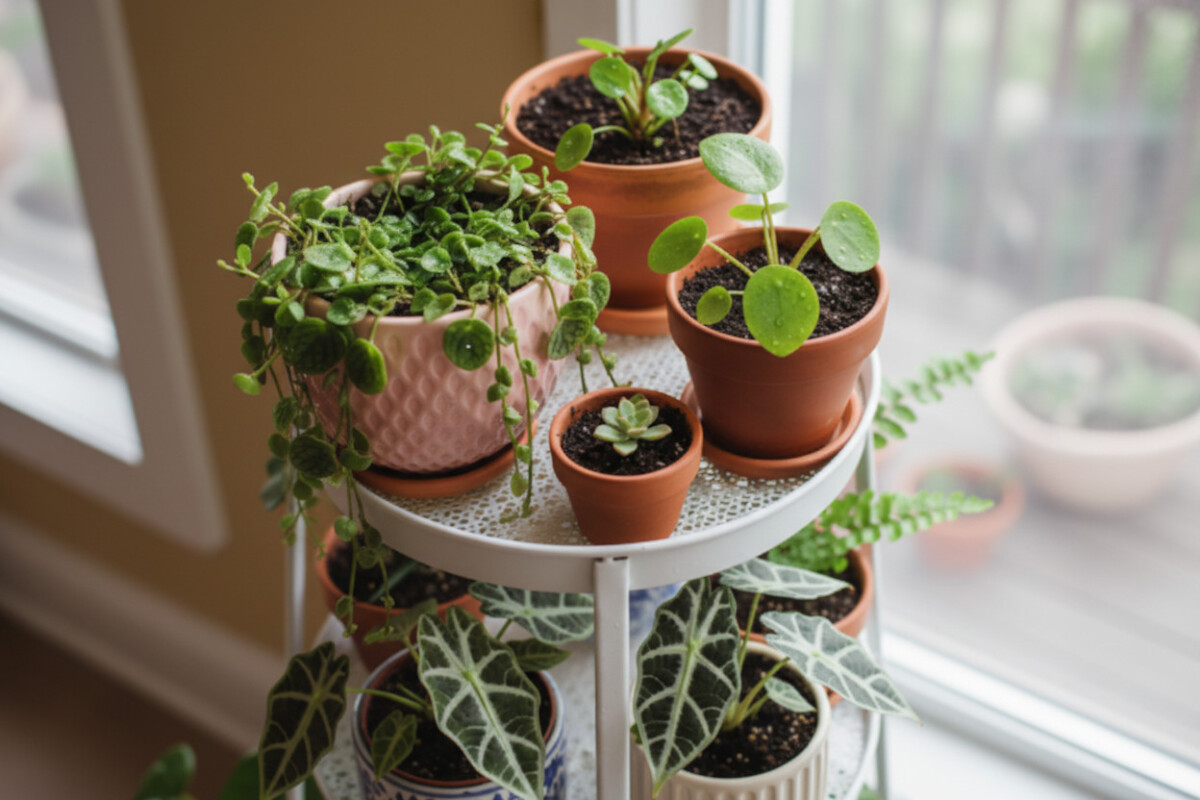
I used to believe that a plant looked healthier when it was full, dense, and packed with leaves. The more it spread out and overlapped, the better it seemed. It gave that lush, perfect look that makes a room feel alive.
Then one morning, I noticed something off.
A few leaves in the center of my plant had turned soft and brown. Not dry. Not crispy. Just… damp and dying. The outer leaves looked fine, but inside, where everything was crowded together, something was clearly wrong.
That was the moment I learned a simple but important truth: it’s not about whether leaves touch. It’s about what happens when they do.
The Short Answer (But Not the Whole Story)
Yes, houseplant leaves can touch. In many cases, it’s completely normal.
But when leaves stay pressed together for long periods, especially in the wrong conditions, problems can develop quietly and quickly.
So the better question is not “Can leaves touch?”
It’s “Is the environment around those leaves healthy?”
Why Leaves Touch in the First Place
Before worrying about whether it’s good or bad, it helps to understand why it happens at all.
Most houseplants are grown indoors in conditions very different from their natural habitat. In the wild, plants have more space, natural airflow, and light coming from multiple directions. Indoors, everything is more limited.
So plants adapt.
They grow toward light sources, expand into available space, and often become denser than they would outside. As new leaves emerge, they naturally overlap with older ones. This is especially common with fast-growing or trailing plants.
In other words, leaf contact is not unusual. It’s part of how plants grow.
The issue begins when that contact creates an environment that works against the plant instead of supporting it.
The Hidden Problem: Trapped Moisture
One of the biggest risks when leaves touch is moisture getting trapped between them.
After watering, misting, or even just from humidity in the air, small amounts of moisture can settle on leaf surfaces. When leaves are spaced apart, that moisture evaporates quickly.
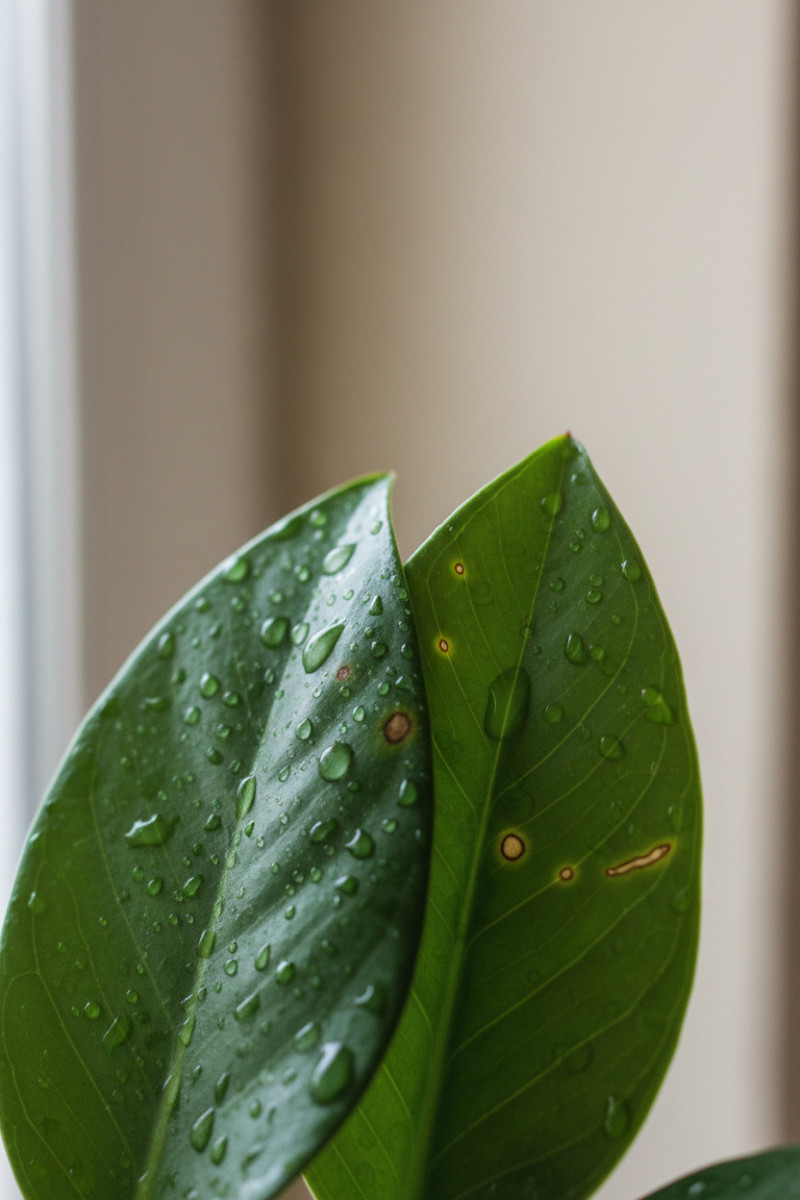
But when two leaves are pressed together, that space becomes a pocket where moisture lingers.
Over time, this can lead to:
- Soft brown spots
- Fungal infections
- Leaf rot
- Mold or mildew
The tricky part is that you often don’t notice it right away. From the outside, the plant can still look perfectly healthy. The damage starts inside, where airflow is weakest.
By the time you see visible signs, it has usually already spread.
Airflow Matters More Than You Think
Air movement is one of the most overlooked factors in indoor plant care.
Outdoors, even a light breeze constantly dries leaves and reduces the chance of disease. Indoors, especially in closed rooms, air can feel still.
When leaves overlap in a space with poor airflow, the conditions become ideal for problems to develop.
It’s not just about water. It’s about how long moisture stays on the plant.
If your leaves dry quickly after watering, touching is rarely an issue.
If they stay damp for hours, even slight contact can become risky.
Light Competition and Uneven Growth
Another effect of overlapping leaves is reduced light exposure.
Plants rely on light to produce energy. When leaves stack on top of each other, the lower ones receive less light and gradually become less efficient.
You might notice:
- Yellowing leaves near the base
- Slower overall growth
- A plant that looks full on one side but sparse on the other
In some cases, plants will stretch or lean to find better light, creating an unbalanced shape.
This is especially noticeable in upright plants that depend on even light distribution, such as fiddle leaf figs or rubber plants.
Not All Plants React the Same Way
One mistake many people make is treating all houseplants the same.
Some plants naturally grow in dense clusters and tolerate leaf contact very well. Others need more space to stay healthy.
Plants that usually handle touching leaves without issues include:
- Pothos
- Philodendron (trailing types)
- Ferns
These plants are adapted to grow in layered, overlapping environments. Their structure allows for better airflow even when crowded.
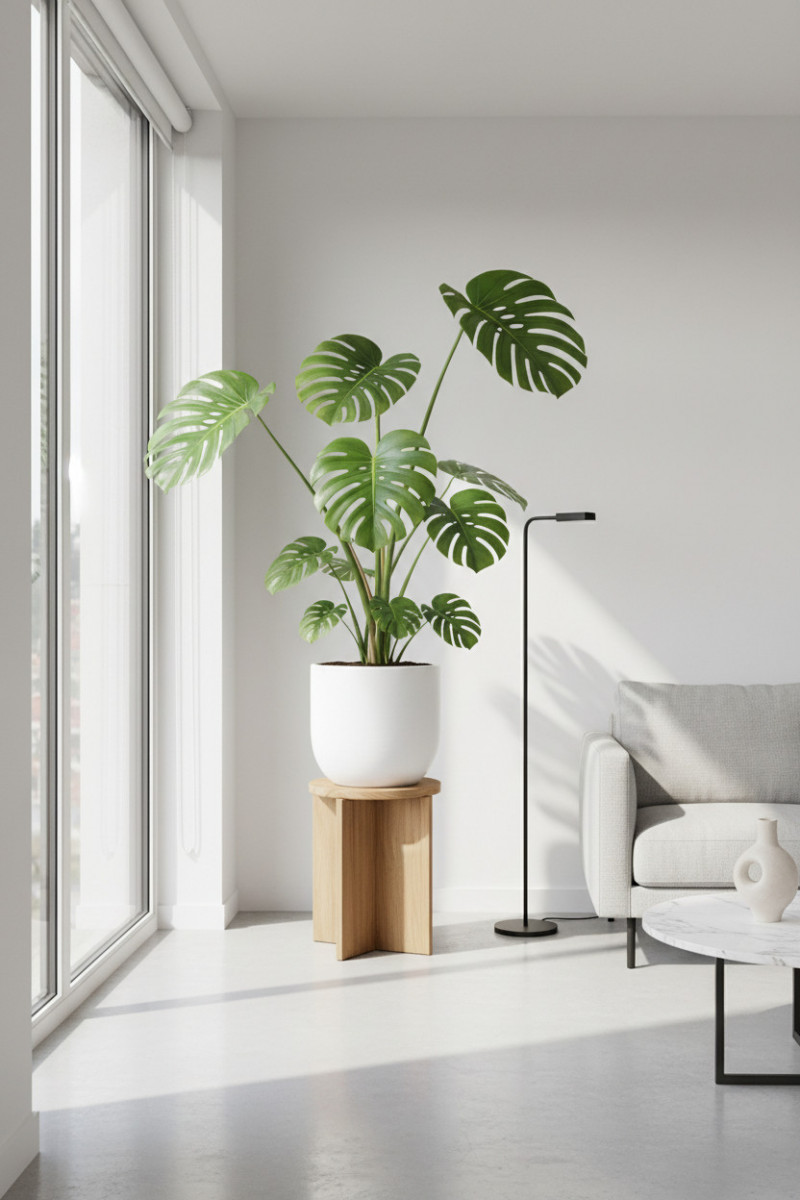
On the other hand, plants that prefer more space include:
- Monstera
- Snake plant
- Fiddle leaf fig
These tend to have larger, thicker leaves and need more room for air and light to move around them.
Understanding your specific plant makes a big difference. What works for one may cause problems for another.
Signs That Leaf Contact Is Becoming a Problem
You don’t need to guess. Plants usually give clear signals when something isn’t right.
Watch for:
- Soft or dark spots where leaves touch
- Leaves that feel damp long after watering
- Musty or slightly sour smells near the plant
- Yellowing or weakening inner leaves
If you notice any of these, it’s a good idea to create more space and improve airflow.
What I Changed (And What Actually Worked)
After dealing with a few failed plants, I stopped trying to follow perfect rules and focused on simple checks instead.
Now I look at three things:
First, can air move between the leaves?
Second, does light reach most parts of the plant?
Third, do the leaves dry within a reasonable time after watering?
If the answer to all three is yes, I don’t worry about leaves touching at all.
If one of them is no, I make small adjustments.
This approach is much easier and more reliable than trying to control every detail.
Simple Ways to Fix Crowded Plants
You don’t need to heavily prune or reshape your plant to solve this.
Small changes often make the biggest difference.
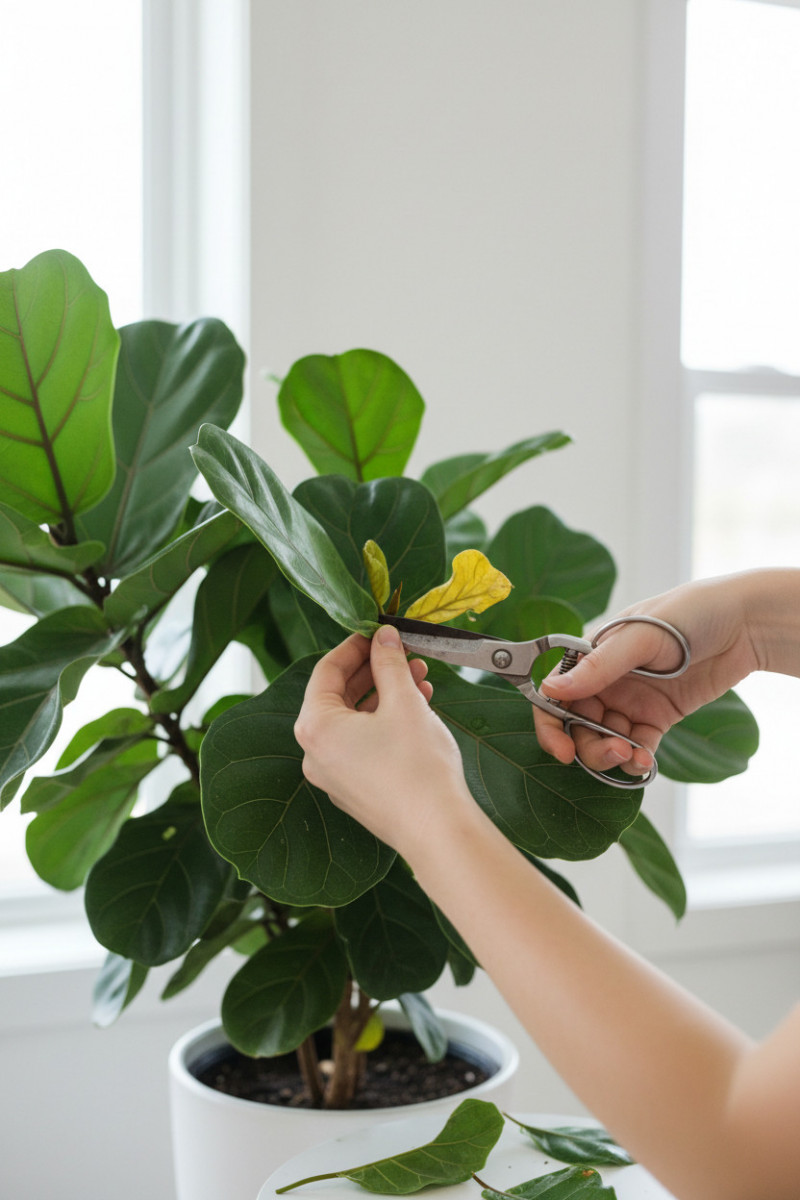
You can:
- Rotate the plant regularly so all sides get light
- Remove a few inner leaves to open up space
- Move plants slightly farther apart from each other
- Place the plant near a window with better airflow
- Use a gentle fan if the room feels stagnant
These adjustments improve conditions without stressing the plant.
A More Realistic Way to Think About It
Many plant care guides focus too much on rules and not enough on understanding.
Leaves touching is not automatically good or bad. It’s simply a situation.
What matters is whether that situation creates problems.
If your plant is healthy, growing well, and showing no signs of stress, there is no need to intervene just because leaves overlap.
But if you start seeing signs of trouble, spacing and airflow are some of the first things to check.
Final Thoughts
It’s easy to assume that more leaves and fuller growth always mean a healthier plant. That idea looks great in photos, but real plant care is a bit more nuanced.
Plants don’t just need water and light. They need space to breathe.
Once you start paying attention to airflow, moisture, and light distribution, a lot of common problems suddenly make sense.
And in many cases, the solution is not complicated at all. It’s just about giving your plant a little more room to exist the way it naturally wants to.