Table of Contents
Winter has a way of making every small home problem feel bigger.
A draft that you barely noticed in October suddenly feels impossible to ignore. A room that seemed comfortable at night now feels cold by mid-afternoon. Your heating bill arrives, and for some reason it looks much higher than expected even though the house still does not feel warm enough.
That is usually when people start doing what most of us do.
They turn the heat up higher. They leave it running longer. They adjust the thermostat over and over, hoping the problem will fix itself.
But that is often where the trouble begins.
Because in a lot of homes, the issue is not that the heater is too weak. The issue is that the heating system is being used inefficiently, or the house itself is making the job harder than it needs to be.
And once I started paying attention to the small mistakes that quietly waste heat, winter became a lot easier to handle.
The surprising part is that many of these mistakes are not dramatic at all. They are the kind of things people do without thinking. A vent gets blocked. A filter is forgotten. A thermostat gets adjusted constantly. A room gets overheated while another stays cold. None of it seems like a big deal on its own, but together, these habits can make a home harder to warm and more expensive to heat.
So if your house never feels quite warm enough, or if your heating bills keep climbing while comfort stays low, the problem may be one of these common mistakes.
And the good news is that most of them are easy to fix.
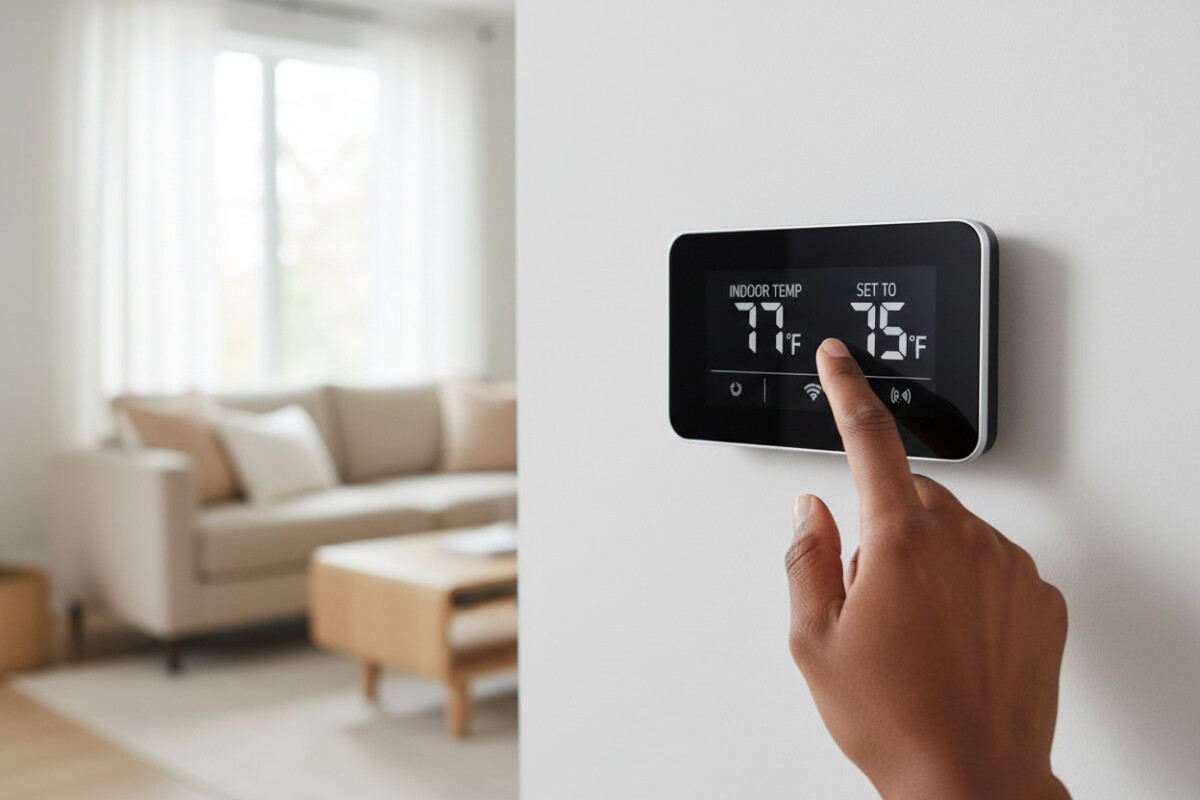
1. Turning the Thermostat Up Too High
This is one of the most common mistakes people make when they are trying to warm a cold house quickly.
The logic makes sense at first. If the house feels cold, raise the temperature more. If it is still cold, raise it again.
But a thermostat is not a speed control. It is a target temperature.
Setting it much higher than you actually want does not make the room warm faster in a magical way. It just makes the system run longer, which often leads to wasted energy and an overheated house once the temperature finally catches up.
That is why a steady, reasonable setting usually works better than constant dramatic changes. It keeps the system from chasing a target that keeps moving.
The better habit is simple: choose a comfortable temperature and let the house stabilize there. Small adjustments make more sense than big jumps.
2. Constantly Changing the Temperature
A lot of people think they are being efficient by turning the heat down and up repeatedly throughout the day.
In practice, this often creates more discomfort than savings.
When the thermostat keeps changing, the house never really settles. One room feels warm, then cool, then warm again. The system is constantly reacting instead of running in a steady rhythm. That can make the home feel less comfortable even when the heater is working harder.
The real goal is consistency.
A stable temperature is easier for a heating system to maintain than a constantly changing one. That does not mean every room needs to stay the same all the time, but it does mean the thermostat should not be treated like a game of fine-tuning every twenty minutes.
A calm setting usually works better than a nervous one.
3. Blocking Vents and Radiators
This is such a simple mistake that people often overlook it completely.
A chair in front of a vent. A pile of boxes near a radiator. Curtains draped too close to a heating outlet. A couch pushed over a floor register.
These things seem harmless until you realize they are interrupting airflow.
When warm air cannot move freely, the heater works harder to do the same job. Some of the heat gets trapped behind furniture or pushed into areas where it is not useful. The result is a room that still feels cold in the places where people actually sit and live.
I started paying attention to where furniture and clutter were placed, and the difference was immediate. Heat moved more evenly. Certain corners stopped feeling cold. The system did not need to fight against its own airflow.
If the warm air cannot travel, the room cannot warm properly.
4. Forgetting to Replace or Clean the Filter
If there is one maintenance task people forget more than any other, it is probably the filter.
A dirty filter makes everything harder.
It restricts airflow, reduces efficiency, and forces the heating system to work under more strain than necessary. That can lead to weaker performance, more dust in the home, and sometimes even system damage if the problem gets bad enough.
The annoying part is that this issue is so easy to avoid. A clean filter helps the system breathe properly. A clogged one quietly causes problems in the background until the house feels less comfortable and the system feels less effective.
This is one of those tasks that seems too small to matter until you actually do it and notice how much better everything runs afterward.
It is a simple habit, but it pays off fast.
5. Heating Rooms You Do Not Use
This one feels small, but it adds up fast.
Many homes spend energy warming rooms that sit empty most of the day. Guest rooms, storage areas, formal dining rooms, unused offices. These rooms can take a lot of energy to keep warm even when nobody is benefiting from it.
The issue is not that every space should be icy cold. The issue is that many households heat all rooms the same way without thinking about how much each room is actually used.
Once I started paying attention to which rooms needed steady warmth and which ones only needed light conditioning, the heating pattern made much more sense.
The goal is not to create a cold house. It is to stop treating every room like the main living space.
That small shift can make the whole home feel more efficient.
6. Ignoring Drafts
Drafts are one of the biggest reasons a heated home still feels uncomfortable.
You can raise the thermostat, run the heater longer, and wear a sweater, but if cold air is sneaking in through gaps around windows, doors, or other openings, the warmth keeps leaking out just as fast as you make it.
That creates a frustrating cycle.
The heat is on, but the room still feels chilly near the edges. The living area may be comfortable, but the wall by the window feels cold. One area is warm, another is not, and the whole house feels uneven.
Fixing drafts is one of the highest-value things you can do. Even small improvements in sealing can make a noticeable difference in how steady and comfortable the indoor temperature feels.
You do not always need a major renovation. Sometimes weatherstripping, sealing gaps, or using heavier window coverings already helps a lot.
7. Overlooking Ceiling Fans
Most people think ceiling fans are only for summer.
That is a mistake.
In winter, a ceiling fan can help move warm air more evenly through a room. Heat rises, which means the warmest air often collects near the ceiling instead of where people are actually sitting.
When the fan is set correctly, it helps gently push that warmth back down into the living space. It is not about creating a breeze. It is about circulation.
That small adjustment can make a room feel more balanced and less stratified. The air stops feeling hot up high and cold down low.
It is one of those little things that can improve comfort without increasing the thermostat setting at all.
8. Closing Interior Doors Too Thoughtlessly
Interior doors affect how heat moves through a house more than people realize.
Sometimes closing a door helps. Sometimes it hurts.
If a room is not being used, closing the door may help reduce how much heat escapes into that area. But if a room has a return vent or is part of the heating balance of the house, shutting it off completely can actually make the system work less efficiently.
The mistake is not closing doors. The mistake is assuming every room should be managed the same way.
A better approach is to think about the role of each room. Some spaces need to stay open for airflow. Some can be closed off. Some just need more balanced vent settings instead of being sealed shut.
The house works best when heat can move intentionally, not randomly.
9. Cranking the Heat at Night and Forgetting About Morning Comfort
Winter comfort is not just about daytime temperature.
A lot of people overcorrect at night. They make the house very warm before bed, then wake up to a stale, dry, or uneven feeling in the morning. Others turn the heat down too much and spend the first hour of the day trying to thaw the house back into livable shape.
The better approach is a gentle transition.
A home usually feels best when it warms and cools in a steady pattern instead of swinging between extremes. That means avoiding dramatic night settings that create a morning discomfort problem later.
Consistency is usually more comfortable than trying to “win” the temperature every single hour.
10. Ignoring Humidity
Heat is only part of how a room feels.
Humidity changes everything.
Dry indoor air can make a warm house still feel uncomfortable. It can make rooms feel sharper, colder, and less cozy even when the thermostat says the temperature is fine. On the other hand, balanced humidity helps the air feel softer and more livable.
This is one of the reasons some people feel cold in winter even when the house is technically warm enough.
The air matters.
When humidity drops too low, the heating system may be working, but comfort still suffers. That is why some homes feel dry, scratchy, and uneven all season long.
Once you start thinking about both temperature and air quality, the house becomes much easier to understand.
11. Forgetting That Sunlight Affects Heat
Natural light is not just nice to look at in winter.
It can also help warm a room slightly during the day.
A lot of people leave curtains closed all day out of habit. That can block useful sunlight and make rooms feel colder than they need to.
Opening curtains in the morning can help the home take advantage of whatever passive warmth is available. Then closing them again in the evening can help hold heat in once the sun goes down.
It is not a miracle fix, but it is a smart habit. The home should work with the daylight, not against it.
12. Skipping Routine Heating Maintenance
This is the kind of thing people avoid until there is a problem.
But waiting until the heat stops working well is the expensive way to learn that maintenance matters.
A system that is checked regularly is usually more reliable than one that only gets attention once something breaks. Small issues are easier to deal with early. Dust, wear, airflow problems, and performance issues are much less stressful when they are caught before winter gets serious.
Preventive care may not feel urgent, but it is one of the best ways to avoid a heating disaster during the coldest part of the season.
That alone makes it worth remembering.
13. Using the Wrong Size or Type of Space Heaters
Space heaters can be useful, but they are also easy to misuse.
Some people use them to heat too much space. Some use too many at once. Some place them in awkward spots where they work inefficiently. Others rely on them as a solution for a larger home heating problem they were never meant to solve.
The result is wasted energy and inconsistent comfort.
A space heater should be used carefully and intentionally. It can help warm a specific room or a short-term cold spot. It is not usually the answer to a whole-house issue.
When used correctly, it can be helpful. When used carelessly, it often just adds cost.
14. Ignoring the Layout of the Home
Not every room heats evenly.
That is just reality.
Some spaces are close to the main heat source. Some are exposed to outside walls. Some are near windows. Some sit at the end of a hallway where warm air takes longer to reach.
When people assume every room should feel the same without adjusting for layout, they often end up frustrated.
A better way to think about it is this: the home has zones. Some areas need more support than others. Some rooms need a little help with circulation. Some need better sealing. Some need less heat because they naturally trap warmth.
Once you start thinking in terms of layout instead of fairness, the whole house makes more sense.
15. Waiting Too Long to Fix Small Problems
This may be the biggest mistake of all.
A slightly cold room becomes a drafty one. A weak airflow issue becomes a comfort problem. A dirty filter becomes a bigger system issue. A small gap near a window becomes a serious leak.
Winter is not the season to ignore small problems.
Because the colder it gets, the more every little issue matters.
That is why the best heating strategy is usually not a dramatic one. It is a responsive one. Notice the problem. Fix the small thing. Prevent the bigger one.
That is the habit that saves both comfort and money.
What Actually Helps Most
After paying attention to all these mistakes, I realized that good home heating is not about constantly pushing the system harder.
It is about removing the things that make the system struggle.
That means:
- keeping filters clean
- unblocking vents
- sealing drafts
- using consistent thermostat settings
- reducing waste in unused rooms
- paying attention to airflow and layout
Those small changes often do more than people expect.
They do not sound dramatic. They do not look impressive. But they make the house easier to heat, easier to live in, and less expensive to keep comfortable.
Final Thoughts
Most home heating mistakes are not obvious.
They are the kind of habits that feel harmless until winter makes them impossible to ignore.
The thermostat gets adjusted too often. The vents get blocked. The filter gets forgotten. Drafts stay open. Heat gets wasted in rooms nobody uses. And suddenly the house feels colder than it should while the bill keeps climbing.
The good news is that almost all of this is fixable.
You do not need a perfect house. You do not need a complete system overhaul. You just need to stop making the small mistakes that quietly drain comfort and efficiency.
The house holds heat better. The rooms feel more even. The heating system works less desperately. And the whole place starts to feel calmer.
That is usually the real goal.
Not just more heat.
better heat.