Table of Contents
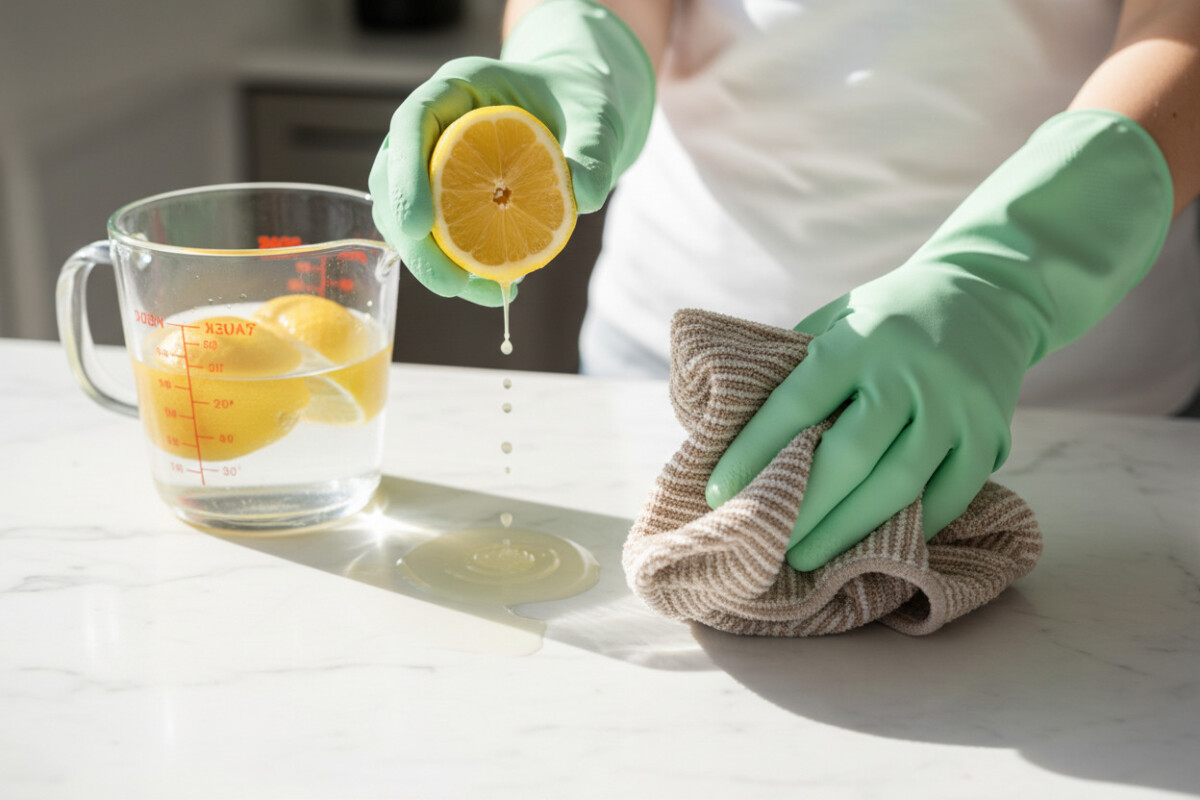
Lemon juice is one of those things that sounds almost too perfect.
It’s natural. It smells clean. It cuts grease. It removes stains. It feels like the kind of simple trick that should work on everything in your home.
And for a while, I believed that too.
I used lemon juice on my kitchen counter, my pans, even tried it on a wooden surface once because I saw someone recommend it online. It felt safe because it came from a fruit. No chemicals. No warnings.
Until things started going wrong.
A dull patch appeared on a surface that used to shine. A pan started looking uneven. A piece of furniture lost its finish in a way I couldn’t fix.
That’s when I realized something most “natural cleaning hacks” never tell you:
Lemon juice is not gentle.
It’s acid.
And acid doesn’t care whether something is expensive, delicate, or brand new.
So before you squeeze lemon into your next DIY cleaner, here are 9 things you should never clean with lemon juice, and what actually happens when you do.
9 Things to Never Clean with Lemon Juice
1. Natural Stone Surfaces
This is one of the most common and most expensive mistakes.
If you have marble, granite, or any kind of natural stone countertop, lemon juice is one of the worst things you can use on it.
Here’s why.
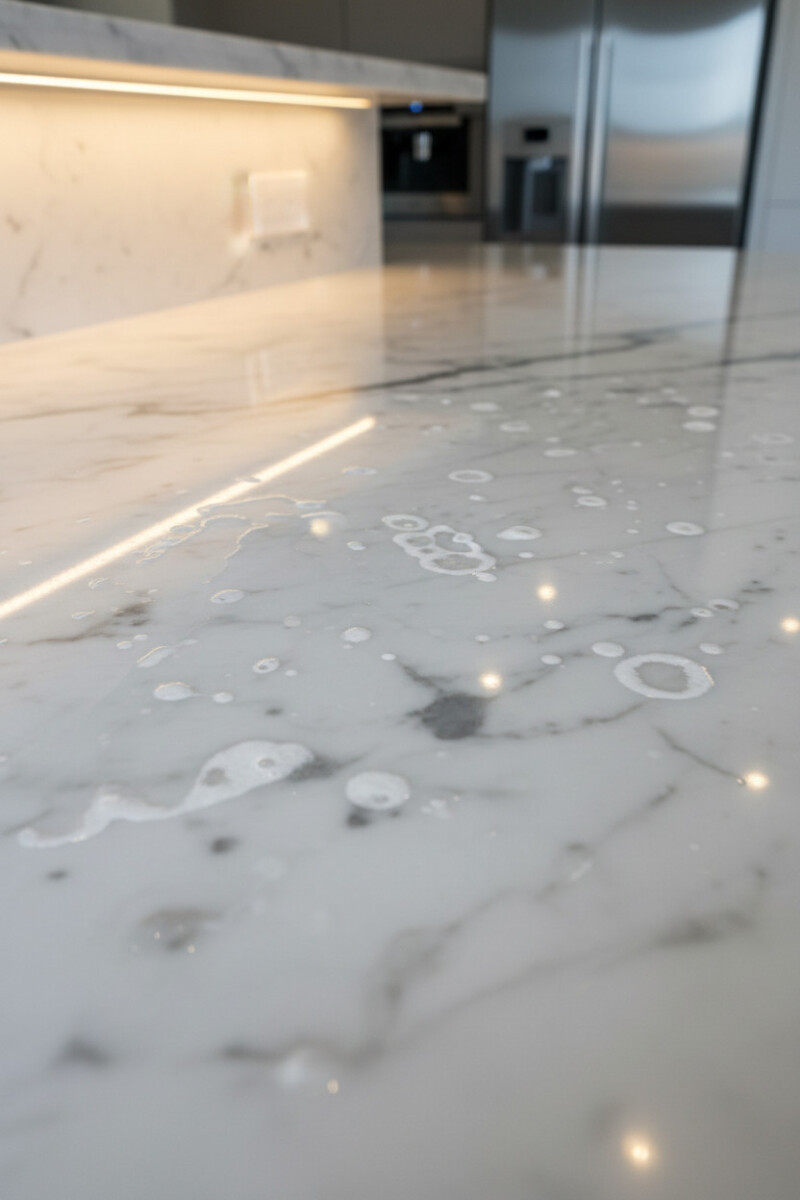
Natural stone contains minerals like calcium carbonate. Lemon juice, which is acidic, reacts with those minerals. That reaction doesn’t just clean the surface. It slowly eats away at it.
At first, you might not notice anything. Then one day, under certain lighting, you’ll see it.
A dull, cloudy spot that doesn’t wipe off.
That’s not dirt. That’s permanent damage.
Experts consistently warn that acidic cleaners can “etch” stone surfaces, leaving marks that often require professional polishing to fix.
And the worst part is how fast it can happen. Sometimes just a few minutes is enough.
What to use instead:
Use a pH-neutral cleaner made specifically for stone. Even simple warm water with a soft cloth is safer than experimenting with acid.
2. Hardwood Floors
Hardwood floors look tough, but the surface you see is actually protected by a finish.
That finish is what gives the floor its shine and protects the wood underneath.
Lemon juice breaks that down.
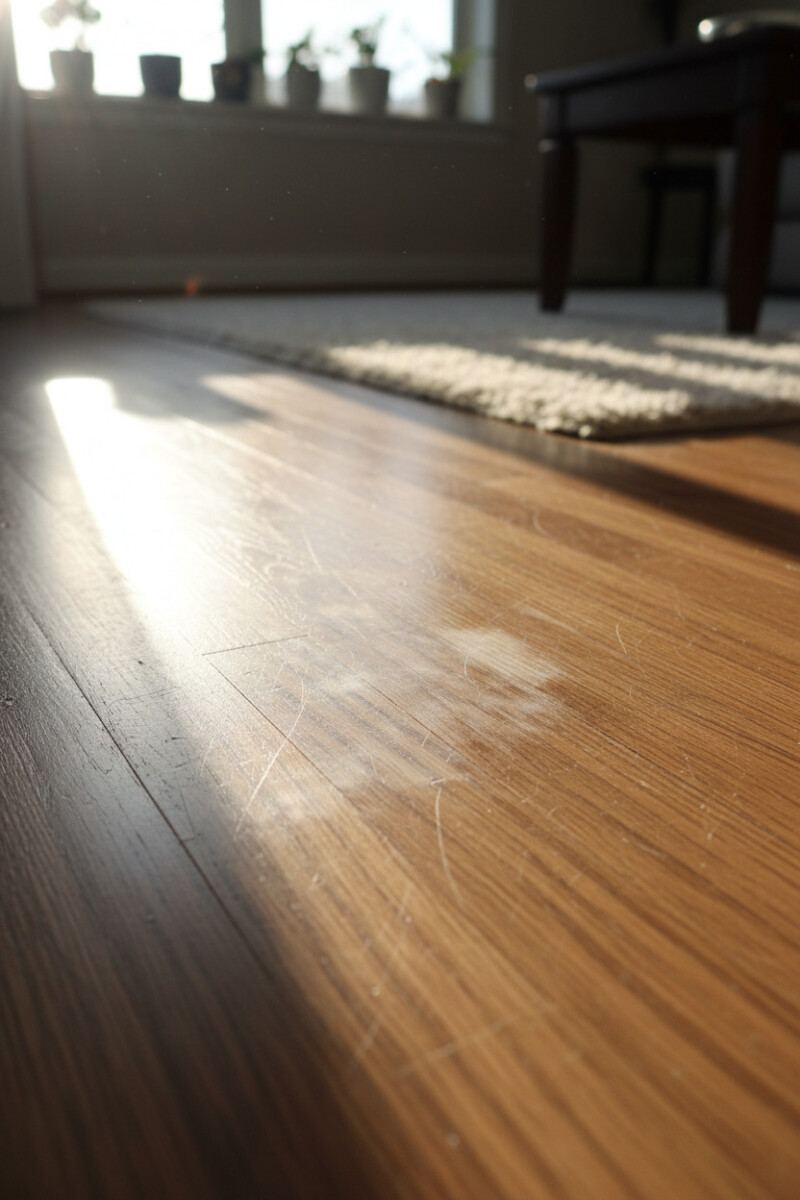
Over time, using acidic cleaners strips the protective layer, leaving the wood exposed. Once that happens, the floor becomes more vulnerable to scratches, stains, and moisture damage.
You might notice the change slowly.
The shine fades. The texture feels different. Certain spots look worn even though you clean regularly.
That’s not normal wear. That’s chemical damage.
Cleaning experts specifically warn that lemon juice can dull hardwood floors and damage their finish over time.
What to use instead:
Stick to cleaners designed for wood floors, or use a very mild soap solution. Less is more here.
3. Cast Iron Skillets and Pans
If you’ve ever owned a cast iron pan, you know it’s not like other cookware.
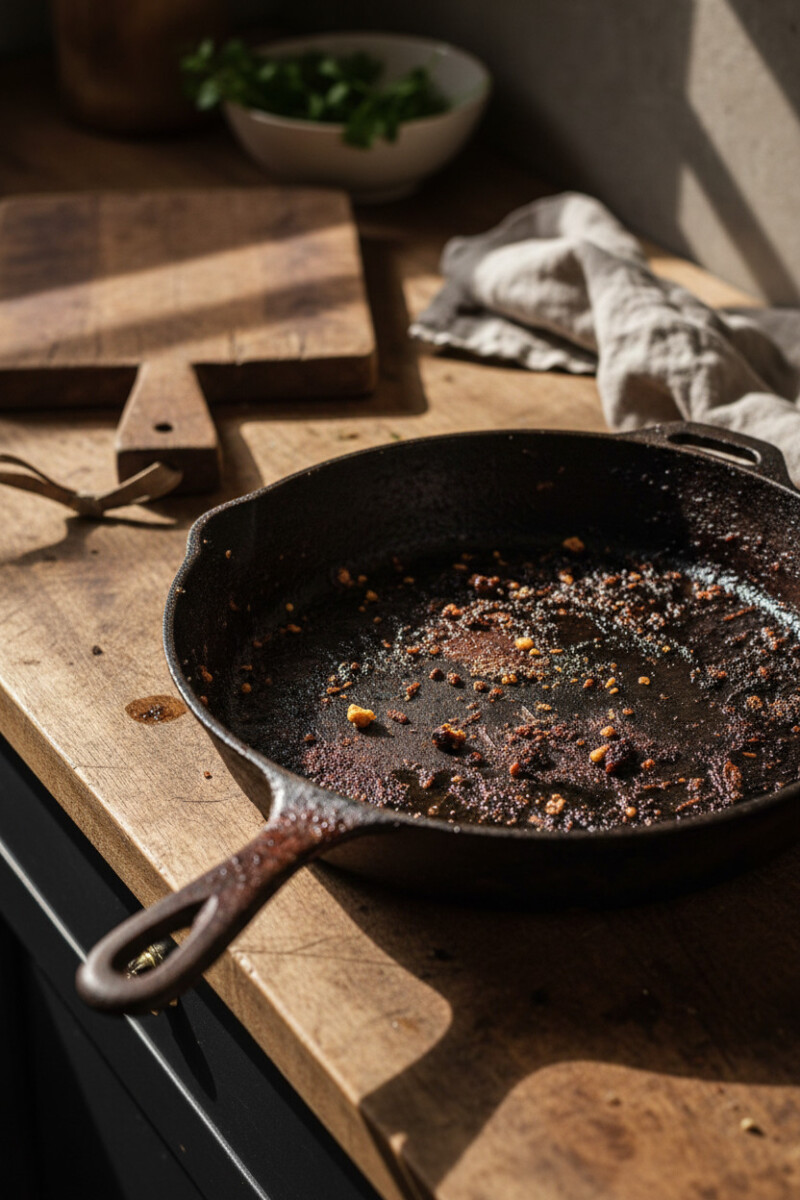
It has a “seasoning” layer. That layer is what makes it non-stick and protects it from rust.
Lemon juice destroys that layer.
Because it’s acidic, it breaks down the seasoning and exposes the raw metal underneath. Once that happens, the pan becomes more prone to rust and sticking.
Even short exposure can weaken the surface.
Experts recommend avoiding acidic cleaners on cast iron because they can strip the seasoning and cause damage.
What to use instead:
Hot water, a brush, and maybe a bit of salt if needed. Then dry it completely.
4. Certain Metals (Aluminum, Copper, Brass, Silver)
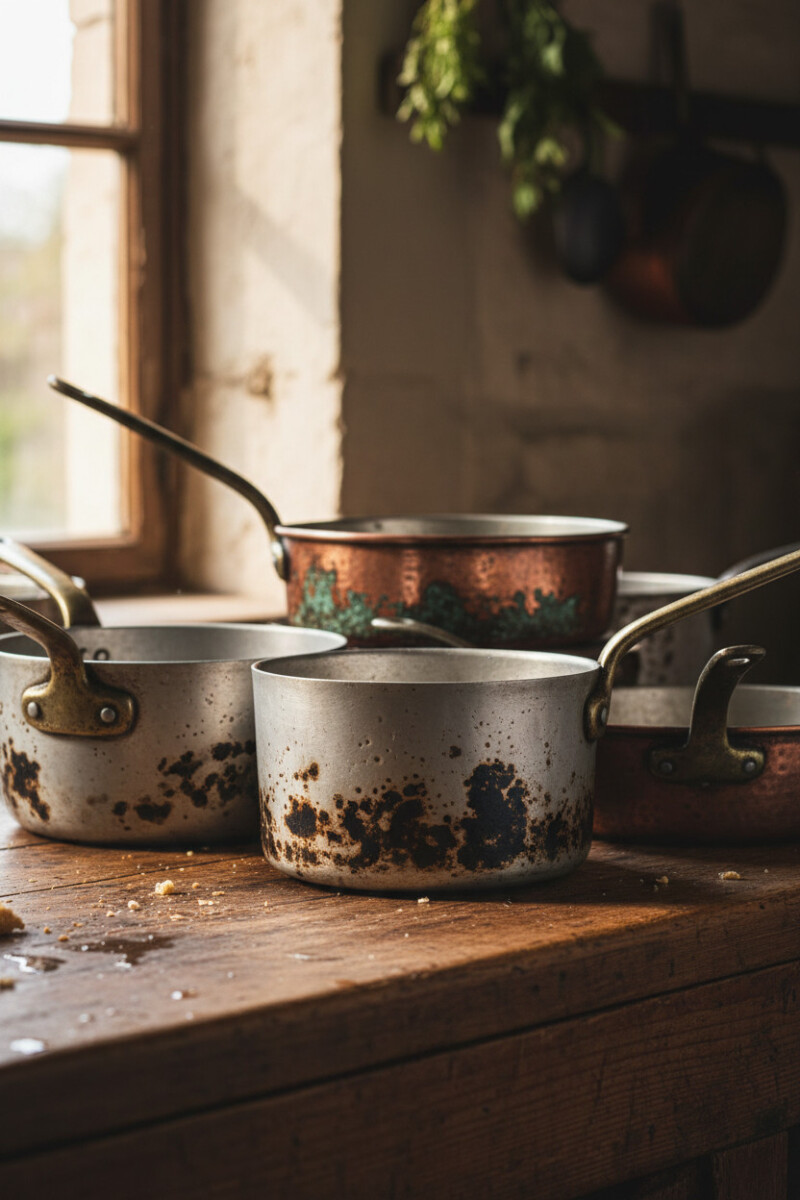
Lemon juice and metal have a complicated relationship.
Yes, lemon can make some metals look shiny. That’s why you’ll see hacks using lemon and salt to clean tarnish.
But here’s what’s actually happening.
The acid is reacting with the metal surface. It’s not just removing dirt. It’s altering the material itself.
On metals like aluminum and copper, this can lead to discoloration, corrosion, or even long-term damage. On silver or plated metals, it can strip protective layers.
Experts warn that lemon juice can react with metals and cause corrosion or spotting, especially with repeated use.
So while it might look good at first, the damage builds up over time.
What to use instead:
Use cleaners specifically made for each type of metal. They’re designed to clean without damaging the surface.
5. Rubber Seals on Appliances
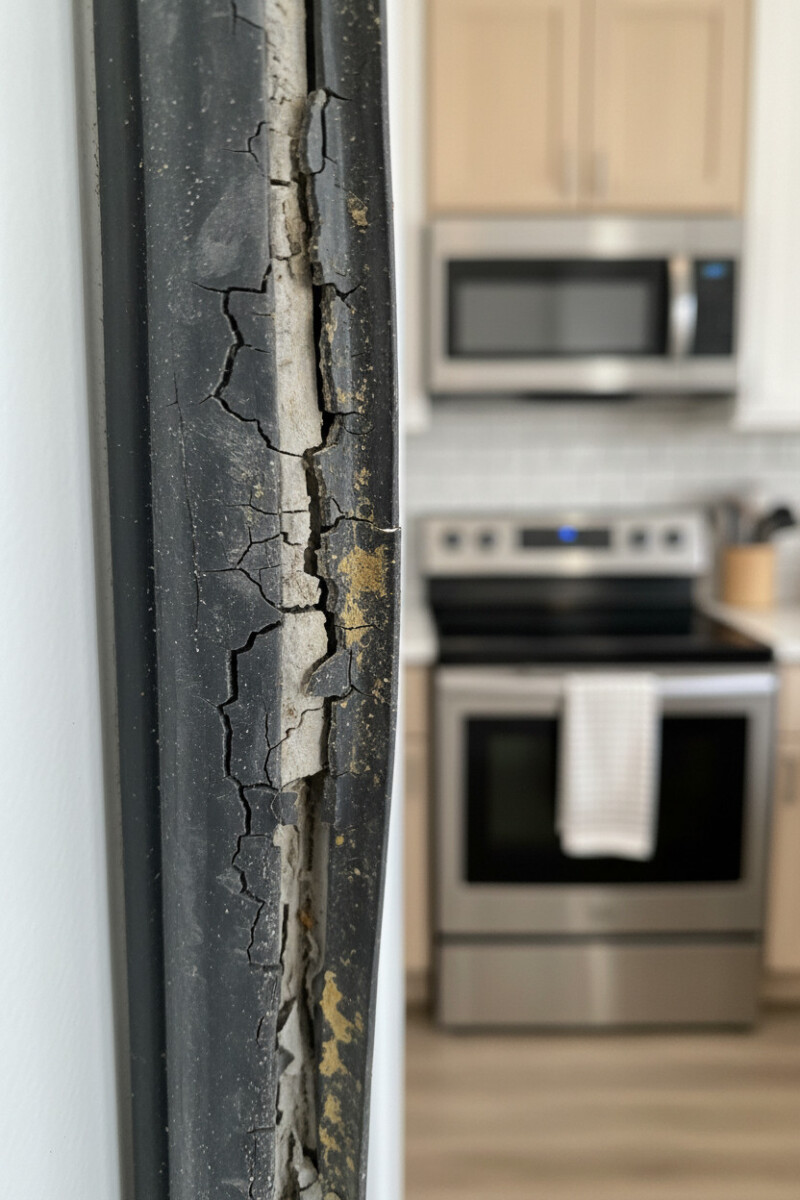
This is one of those hidden problems most people never think about.
Dishwashers, washing machines, refrigerators. They all have rubber seals.
These seals need to stay flexible to work properly.
Lemon juice slowly breaks down rubber over time. It dries it out, weakens it, and can eventually cause cracking or leaks.
Experts note that acidic cleaners can degrade rubber seals, affecting how appliances function.
What to use instead:
Mild soap and water is more than enough.
6. Electronic and Digital Screens

This one surprises a lot of people.
It might seem harmless to wipe a screen with something natural like lemon juice, especially if you dilute it.
But screens are sensitive.
They often have protective coatings that help reduce glare and fingerprints. Acid can damage those coatings.
On top of that, liquid can seep into edges and cause internal damage.
Experts specifically advise against using lemon juice on screens because it can leave residue, damage coatings, and even affect functionality.
What to use instead:
A microfiber cloth, slightly damp if needed, or a cleaner made for screens.
7. Painted Surfaces
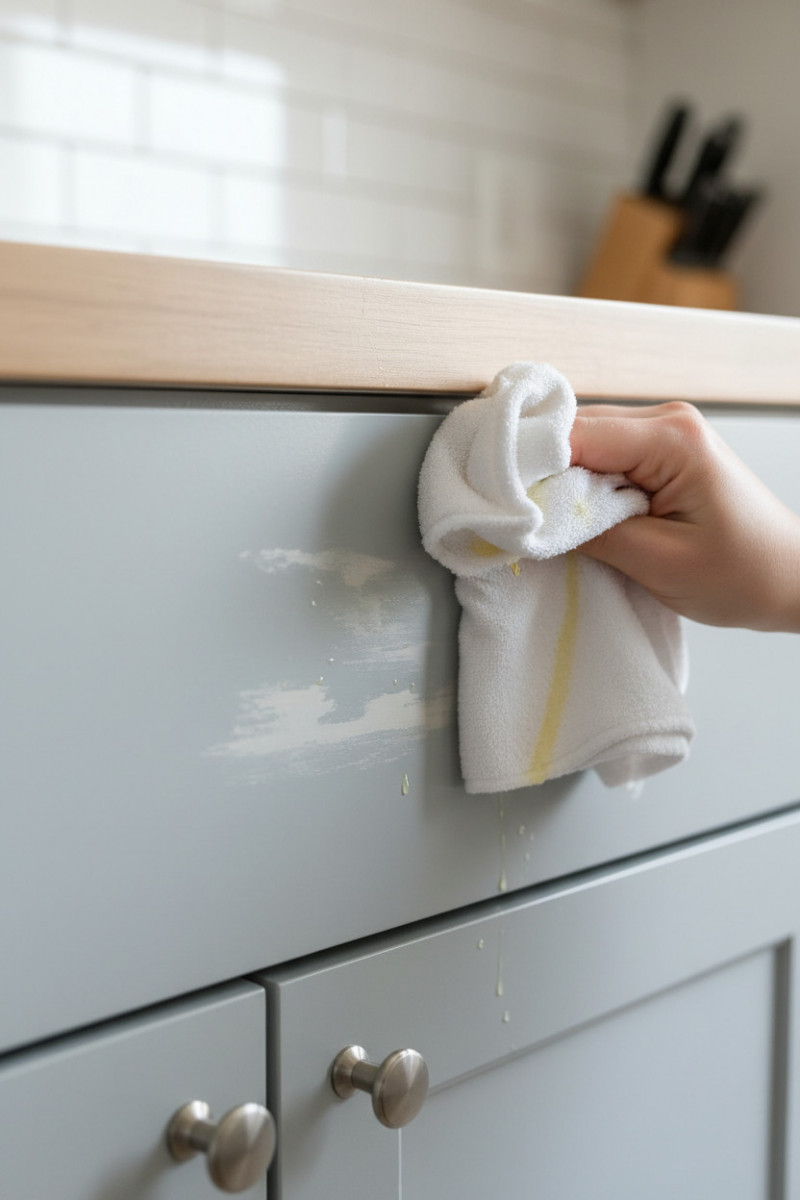
Paint might look solid, but chemically, it’s more sensitive than you think.
Lemon juice can break down the finish, especially on painted cabinets, walls, or furniture.
The result is usually:
- dull spots
- uneven texture
- faded color
In some cases, it can even strip the paint layer over time.
Professionals warn that acidic cleaners can damage painted finishes and reduce their durability.
What to use instead:
A gentle, non-abrasive cleaner designed for painted surfaces.
8. Delicate and Dark Clothing
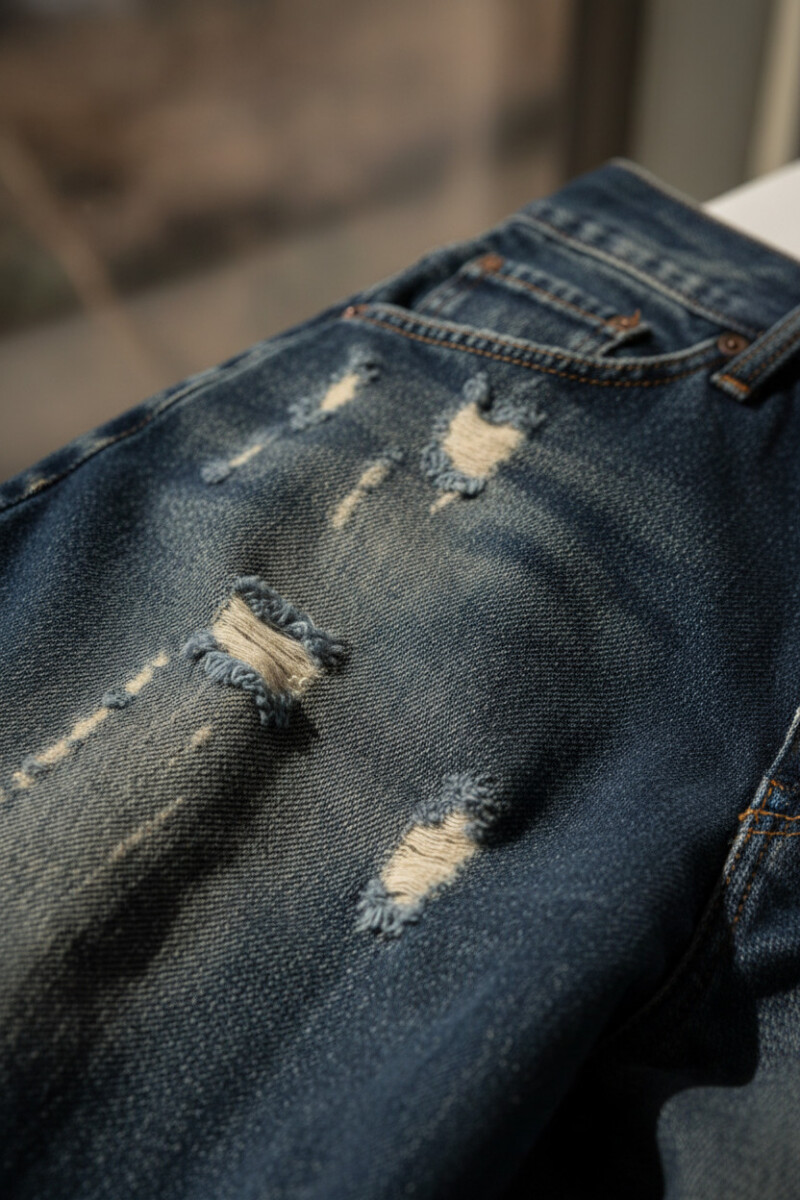
Lemon juice is often promoted as a natural stain remover, especially for white clothes.
And that’s true.
But that’s also the problem.
It has a bleaching effect.
On dark or brightly colored fabrics, lemon juice can cause fading or uneven discoloration. On delicate fabrics like silk or wool, it can weaken the fibers.
Cleaning guides warn that lemon juice can lighten fabrics and damage delicate materials.
This isn’t something you can reverse once it happens.
What to use instead:
Use proper laundry detergents and always test any DIY solution on a small hidden area first.
9. Mixing Lemon Juice with Bleach
This is not just about damage.
This is about safety.
Mixing lemon juice with bleach creates a chemical reaction that releases chlorine gas.
That gas is toxic.
It can cause:
- breathing problems
- coughing
- eye irritation
Multiple safety guidelines clearly warn never to mix acids with bleach because of the risk of toxic fumes.
This is one of those mistakes that can happen easily if you’re using multiple cleaners without thinking.
What to do instead:
Never mix cleaning products unless you are absolutely sure they are safe together.
Why Lemon Juice Can Be So Misleading
The reason so many people make these mistakes is simple.
Lemon juice feels safe.
It’s food. It smells fresh. It’s natural.
But chemically, it behaves like a strong acid.
That’s what gives it cleaning power. It breaks down grease, removes stains, and dissolves buildup.
But that same property also makes it destructive on the wrong surfaces.
The idea that “natural equals safe” is one of the biggest myths in home cleaning.
When Lemon Juice Actually Works Well
To be fair, lemon juice is not useless.
It works well for:
- cutting boards
- removing odors
- light grease cleaning
- descaling certain surfaces
It’s just not universal.
Even expert sources point out that lemon is effective for specific cleaning tasks but should be used carefully depending on the material.
Final Thoughts
The goal of cleaning is not just to make things look good in the moment.
It’s to keep them in good condition long-term.
And sometimes, the things that seem safest can cause the most damage if used incorrectly.
Lemon juice is a perfect example of that.
It’s powerful. It’s useful. But it needs to be used with intention.
Once you understand where it works and where it doesn’t, you stop guessing. You stop risking damage.
And your home stays not just clean, but intact.