Table of Contents
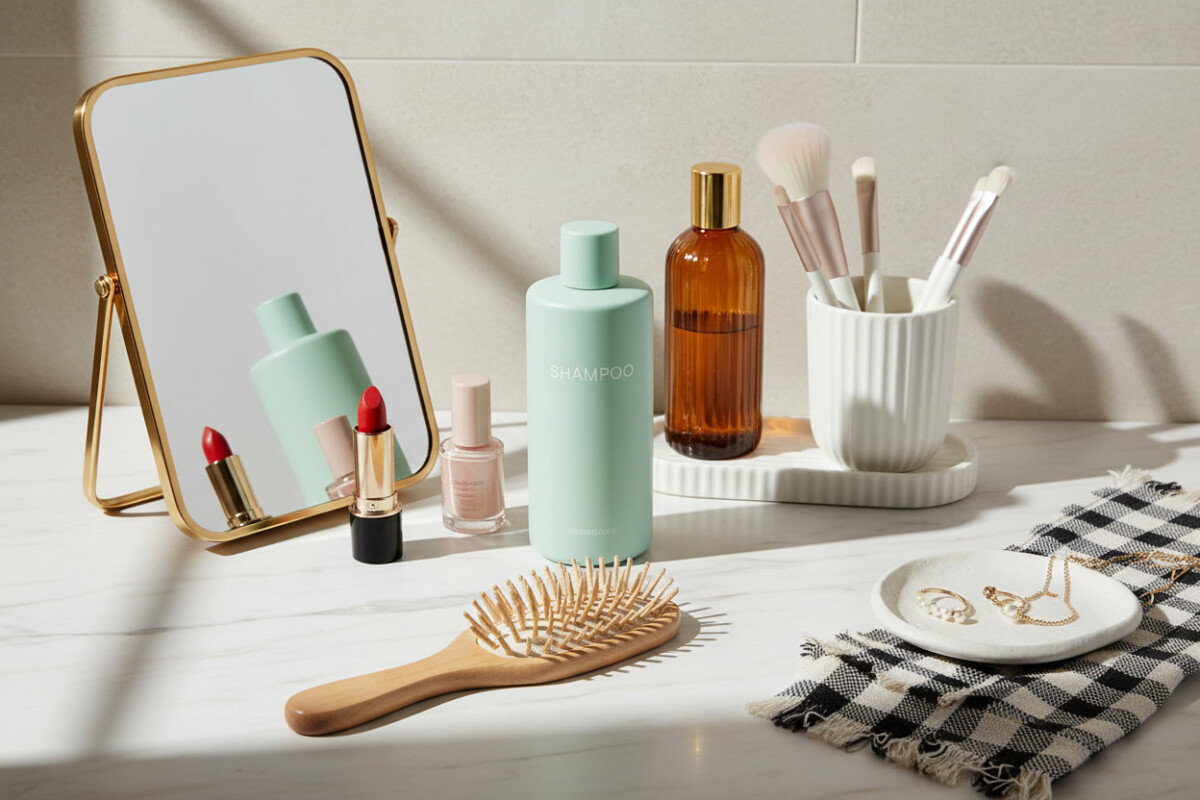
Shampoo is one of those things almost everyone has in the house.
It sits in the bathroom, gets used automatically, and rarely gets a second thought. Most people buy it for one reason only: to wash hair.
But shampoo is doing something much more interesting than that.
It is a gentle cleanser designed to break down oil, loosen dirt, and rinse away buildup without being too harsh. That is exactly why it can do so many small cleaning jobs around the house.
Not heavy-duty jobs. Not “strip everything down” jobs. But the softer, more delicate, easy-to-damage surfaces that make people nervous to clean with stronger products.
That is where shampoo quietly shines.
I did not expect that at first. It sounds almost too simple, almost too ordinary. But after trying it on a few different surfaces and materials, one thing became obvious: for the right kind of mess, shampoo is one of the most underrated cleaners you already own.
It is especially useful when you want something that cleans well without leaving a strong smell, without being overly abrasive, and without damaging something fragile.
So here are 15 things you can clean with shampoo, how to do it properly, and why it often works better than people expect.
1. Delicate Clothing
This is one of the best uses for shampoo, and honestly, one of the smartest.
If you have silk, wool, lace, or any other delicate fabric, shampoo can be a very gentle way to clean it. That makes sense when you think about it. Shampoo is made to clean something soft and sensitive without stripping it bare. The same idea applies to fragile fabrics.
A lot of people ruin delicate clothing because they treat it like ordinary laundry. They use harsh detergent, hot water, or aggressive rubbing. That often leads to stretching, fading, or rough texture. Shampoo can help avoid that.
How to use it:
Fill a basin with lukewarm water. Add a small amount of mild shampoo and mix gently. Submerge the fabric and swirl it lightly instead of scrubbing it. Let it soak briefly if needed, then rinse carefully with clean water.
Do not twist, wring, or aggressively scrub the material. That is the fastest way to damage it.
What shampoo is good for here is not deep stain removal. It is gentle refresh cleaning. If a piece of clothing is lightly dirty, dusty, or needs a soft wash between wears, shampoo can be a surprisingly safe choice.
2. Car Seats and Upholstery
Car interiors collect grime in a way that is easy to underestimate.
You get sweat, dust, coffee drops, food crumbs, oils from skin, and general everyday wear. Over time, fabric seats and upholstered panels can start to look dull even when the car is not visibly dirty.
Shampoo works well here because it lifts oil without being too aggressive. That matters when you are cleaning a material you do not want to saturate or damage.
How to use it:
Mix a small amount of shampoo with warm water. Dip a soft cloth or brush into the mixture, then gently clean the stained area in light circles. Avoid soaking the fabric. Afterward, wipe it with a damp cloth to remove residue and blot dry with a towel.
If you are working on a larger surface, test a hidden area first. Some car materials are more sensitive than they look.
The nice thing about shampoo is that it can help clean the surface without leaving that heavy chemical feeling behind. For small spills and light buildup, it is often enough.
3. Makeup Brushes
Makeup brushes need cleaning more often than most people realize.
They collect foundation, powder, oils, skin cells, and bacteria. Over time, that buildup affects how they perform. Brushes get stiff, uneven, and less effective. Clean them regularly and they last much longer.
Shampoo is ideal for this because it is designed to cut through oils while staying gentle on soft fibers.
How to use it:
Wet the brush bristles with lukewarm water. Put a tiny drop of shampoo into your palm or a cleaning mat, then swirl the brush until the makeup loosens. Rinse until the water runs clear. Gently reshape the bristles and let the brush dry flat.
Avoid soaking the ferrule, which is the metal part holding the bristles. Too much water there can weaken the glue over time.
This is one of those small habits that makes a noticeable difference. Clean brushes apply makeup better, feel softer, and stay usable much longer.
4. Hairbrushes and Combs
This is one of the most obvious uses, but it still gets overlooked.
Hairbrushes and combs collect oil, hair product residue, dust, and loose hair. If you never clean them, you end up putting old buildup back into fresh hair every time you use them.
Shampoo makes this job simple because it removes the exact kind of buildup hair tools collect.
How to use it:
First remove the loose hair from the brush or comb. Fill a bowl or sink with warm water and add a bit of shampoo. Let the brush soak for a few minutes, then use your fingers or an old toothbrush to loosen any grime stuck around the base or between the teeth. Rinse well and let everything dry fully.
A brush that looks clean is not always clean. Shampoo helps solve that quietly and effectively.
5. Shower Curtains
Shower curtains are one of those things people forget to clean until they start looking bad.
They can develop soap residue, mildew spots, and general dullness from constant moisture. A strong cleaner is not always necessary, especially if the curtain is plastic, vinyl, or another sensitive material.
Shampoo works well because it is mild enough for maintenance cleaning while still helping break down grime.
How to use it:
Mix shampoo with water in a bowl. Use a sponge or soft cloth to clean the curtain, focusing on stained or cloudy areas. Rinse thoroughly so no residue remains.
If the curtain is removable and washable, you can also use shampoo during a gentle hand-cleaning session. Just remember that moisture traps are the enemy here, so the curtain needs to dry completely afterward.
What shampoo gives you is a soft clean without the harsh smell or roughness of stronger bathroom products.
6. Bathroom Fixtures
For light buildup, shampoo can work on bathroom fixtures like sinks, faucets, and tubs.
This is not the right tool for heavy soap scum or major mineral buildup. But for daily maintenance, light film, fingerprints, and mild grime, it can do the job just fine.
Why does this work? Because shampoo is designed to cut through oil and leave surfaces feeling clean without being too aggressive.
How to use it:
Put a small amount of shampoo on a damp cloth, wipe the surface, then rinse and dry. That is usually enough for simple maintenance cleaning.
It works especially well when you want to freshen up a bathroom quickly without pulling out a long list of supplies.
The biggest advantage here is control. You are not over-cleaning, and you are not using something that feels too strong for the surface.
7. Eyeglasses and Sunglasses
This is one of the most useful small hacks.
Glasses collect oil from skin, fingerprints, dust, and smudges all the time. Shampoo can help clean lenses because it is gentle, easy to rinse, and effective on oil.
How to use it:
Put a tiny drop of shampoo on your fingers and lightly clean the lenses under lukewarm water. Rinse well, then dry with a microfiber cloth.
The important thing is to use very little shampoo. Too much can leave residue, and residue is the enemy of clear lenses.
This method is especially helpful for everyday cleaning when your glasses are not truly dirty, just cloudy or greasy from use.
It is simple, low-risk, and very effective when done carefully.
8. Jewelry
Shampoo can be useful for cleaning some kinds of jewelry, especially non-porous pieces like metal rings, chains, and certain stone settings.
It helps loosen oils, skin residue, and daily grime without scratching the surface.
How to use it:
Mix a little shampoo into warm water and let the jewelry soak briefly. Use a soft brush if needed, especially around small crevices. Rinse thoroughly and dry gently.
The key here is to be selective. Shampoo is not for every kind of jewelry. It is not the right choice for delicate, porous, or fragile stones that can be damaged by moisture or residue.
But for many everyday pieces, it is a gentle and practical cleaning option.
A lot of jewelry loses sparkle simply because of buildup. Shampoo can help bring that shine back without making the cleaning process complicated.
9. Shoes
Shampoo can be great for certain kinds of shoes, especially fabric sneakers and some soft materials.
Shoes get dirty in layers. Dust on the outside. Sweat on the inside. Grime in the seams. A harsh cleaner is not always necessary, especially when you are just trying to freshen them up.
How to use it:
Mix shampoo with water. Use a soft brush or cloth to gently clean the material. Wipe away residue with a clean damp cloth and let the shoes air-dry naturally.
Always test a small hidden spot first. Some fabrics and finishes react differently than expected.
This works best for light to moderate dirt, not deep stains that have set in for weeks. But for regular upkeep, shampoo is a surprisingly good middle-ground cleaner.
10. Greasy Kitchen Surfaces (Light Cleaning)
Kitchen surfaces can build up a thin layer of grease that is easy to miss at first.
It is not heavy enough to need a strong degreaser, but it is enough to make things feel slightly sticky over time. This is where shampoo can work surprisingly well.
This is not for deep cleaning or thick grease. It is for light buildup that just needs a gentle reset.
How to use it:
Mix a small amount of shampoo with warm water. Use a soft cloth to wipe the surface, then follow with a clean damp cloth to remove any residue. Dry with a towel if needed.
Avoid using too much. A little goes a long way, and excess shampoo can leave a film behind.
This works best on sealed surfaces where you want something mild that can cut through light grease without being too harsh.
11. Rugs and Small Carpets
Shampoo can be helpful for light cleaning on rugs and small carpets, especially when you are dealing with surface stains or everyday dullness.
It is not magic. It will not fix everything. But for a small fresh spill or a patch of grime, it can work well.
How to use it:
Mix shampoo with water. Apply a small amount to the stain, blot gently instead of rubbing, then rinse with a damp cloth and let it dry fully.
The biggest mistake people make with rugs is over-wetting them. That creates more problems than the original stain. Shampoo should be used lightly, in controlled amounts, with dry time in mind.
When done right, it can freshen the look of a rug without making the cleaning job complicated.
12. Hands After Greasy Jobs
Sometimes the thing you need to clean is not a surface. It is your own hands.
After cooking, handling oily tools, gardening, or doing simple home tasks, your hands can hold onto grease and grime that regular rinsing does not remove well.
Shampoo can help because it is specifically designed to break down oil.
How to use it:
Use a small amount like you would when washing your hair. Rub your hands together with a little water, paying attention to fingertips, nails, and the spaces between your fingers. Rinse well.
This is especially useful when soap is not handy or when you want something gentle on skin.
It is a small trick, but one that works better than many people expect.
13. Pet Fur
Sometimes your pet is not dirty enough for a full bath, but not clean enough to ignore.
Maybe it is muddy paws, a bit of dust on the coat, or just that slightly “off” feeling after a walk. This is where a small amount of shampoo can help freshen things up without turning it into a whole event.
This is not about replacing proper bathing. It is about quick, gentle cleaning when the mess is minor.
How to use it:
Dilute a small amount of shampoo with water. Dampen a soft cloth and gently wipe the fur, focusing on the areas that need it most. Follow with a clean damp cloth to remove any residue, then dry with a towel.
Be careful to avoid the eyes, ears, and mouth. These areas are sensitive and should not come into contact with shampoo.
This is another case where less is better. A light touch is all you need to clean small spots without irritating the skin or leaving buildup behind.
14. Stuffed Toys
Stuffed toys collect dust, skin oils, and general everyday grime over time.
Shampoo can be a gentle option when you want to freshen them without using something harsh.
How to use it:
Make a diluted shampoo mixture and clean the surface lightly with a cloth or sponge. Do not soak the toy unless the care instructions clearly allow it. Blot with a dry towel and let it air-dry fully.
This is especially helpful for toys that are not machine washable or for quick touch-ups between deeper cleanings.
For anything sentimental or delicate, test a small area first. Soft toys can hold moisture longer than expected, so drying matters just as much as cleaning.
15. Lightly Dirty Hats and Caps
Hats are easy to forget about, but they absorb sweat, oils, dust, and outdoor grime.
Shampoo can work well here because it is gentle enough for fabric while still strong enough to break down oil.
How to use it:
Mix a little shampoo with lukewarm water. Use a soft cloth or brush to clean the dirty areas, especially around the sweatband or brim. Wipe off residue and let the hat dry naturally, keeping its shape supported if needed.
This is a great use for shampoo because it handles the kinds of buildup hats usually get without making the material feel rough or overloaded with residue.
Why Shampoo Works So Well for These Jobs
Shampoo works because it sits in a sweet spot.
It is not as weak as plain water, and it is not as intense as heavy-duty cleaners. It removes oil, loosens dirt, and rinses away easily. That balance makes it useful on surfaces that need a soft touch.
The main advantages are simple:
It is gentle.
It is easy to dilute.
It is usually already in the house.
It is less likely to damage delicate materials than stronger products.
That does not mean it should replace every cleaner you own. It does not. But it does mean shampoo deserves a place in your cleaning routine for certain tasks.
What Shampoo Should Not Be Used On
Even though shampoo is versatile, it is not a universal cleaner.
Avoid using it on:
- Natural stone
- Untreated wood
- Electronics
- Heavy grease buildup
- Surfaces that need a disinfectant rather than a cleaner
It is a gentle cleaning tool, not a deep-restoration solution. If something is heavily stained, deeply greasy, or structurally sensitive, shampoo is probably not the right answer.
The best way to think about it is this:
If the surface is delicate, lightly dirty, or easy to damage, shampoo may be a smart choice.
If the surface is tough, sealed, or heavily soiled, use something more appropriate.
Small Tips That Make Shampoo Cleaning Work Better
A few simple habits make a huge difference.
Use only a small amount. More shampoo does not mean better cleaning. It usually means more residue.
Always dilute when needed. Shampoo works best in measured amounts, not as a thick blob on the surface.
Rinse thoroughly. This matters more than people think. Leftover shampoo can make surfaces feel sticky or dull.
Test first. If the material is expensive, unusual, or sentimental, try the shampoo on a hidden spot before cleaning the whole thing.
Dry properly. Many cleaning problems are really drying problems in disguise.
These are small things, but they are the difference between a good cleaning hack and a bad one.
The Real Appeal of Cleaning with Shampoo
The reason shampoo works so well in so many situations is not because it is magical.
It is because it is practical.
It is something many people already have. It is easy to use. It is familiar. And for certain kinds of surfaces, it is exactly gentle enough to clean without causing extra problems.
That makes it one of the most useful “backup cleaners” in a home.
Not the strongest.
Not the smartest for every job.
But incredibly useful when you need something that is soft, simple, and effective.
Final Thoughts
Most people think of shampoo as one-purpose. Hair only. End of story.
But once you look a little closer, it becomes clear that shampoo is one of the most flexible cleaning products sitting in your bathroom right now.
It can clean delicate clothing, makeup brushes, eyeglasses, shower curtains, car upholstery, jewelry, shoes, rugs, and a surprising number of small household items without being too harsh.
That is the real value of it.
Not that it replaces everything else.
But that it does a lot of small jobs very well.
And sometimes, the best cleaning tools are not the fancy ones.
They are the ordinary ones that turn out to be far more useful than anyone expected.