Table of Contents
A bright home changes everything.
It makes a room feel larger, calmer, cleaner, and somehow more welcoming all at once. Even on a grey day, a space with good natural light still feels alive. That is why people care about it so much, even if they do not always know how to fix it when a room feels too dark.
For a long time, it felt like natural light was something you either had or you did not.
A sunny home was lucky. A dark home was just dark.
But that is not really true.
There are actually many ways to increase natural light in your home without tearing down walls, replacing windows, or starting a huge renovation. Some changes are simple. Some are surprisingly cheap. And some are more about how you arrange and style the space than the structure itself.
That was the part I did not fully appreciate at first.
A room can change a lot just from what you remove, what you move, and what you reflect.
Once that clicked, light stopped feeling like a fixed problem and started feeling like something I could work with.
Why Natural Light Matters So Much
Natural light does more than just make a room look better.
It affects how a space feels the moment you walk in. Dark rooms can feel smaller, heavier, and more closed off. Bright rooms feel more open and easier to live in.
It also changes how you use the space.
In a well-lit room, you are more likely to:
- spend time there
- keep it tidy
- notice details better
- feel comfortable during the day
That is why natural light is such a big deal in home design. It is not just about appearance. It is about atmosphere.
And because light affects everything from mood to how colors look, increasing it can make even a modest home feel much more polished.
Start by Looking at What Is Blocking the Light
Before adding anything, it helps to remove what is getting in the way.
This sounds obvious, but it is often the biggest reason a room feels darker than it should.
Take a look at:
- heavy curtains
- large furniture in front of windows
- dark window coverings
- clutter around the sill
- tall decor that blocks light paths
Sometimes the room is not actually dark. The light is just being interrupted.
If furniture is covering part of a window, move it if possible. If curtains are thick and always closed, switch them out for something lighter. If the windowsill is packed with things, clear it off.
This one step alone can make a noticeable difference.
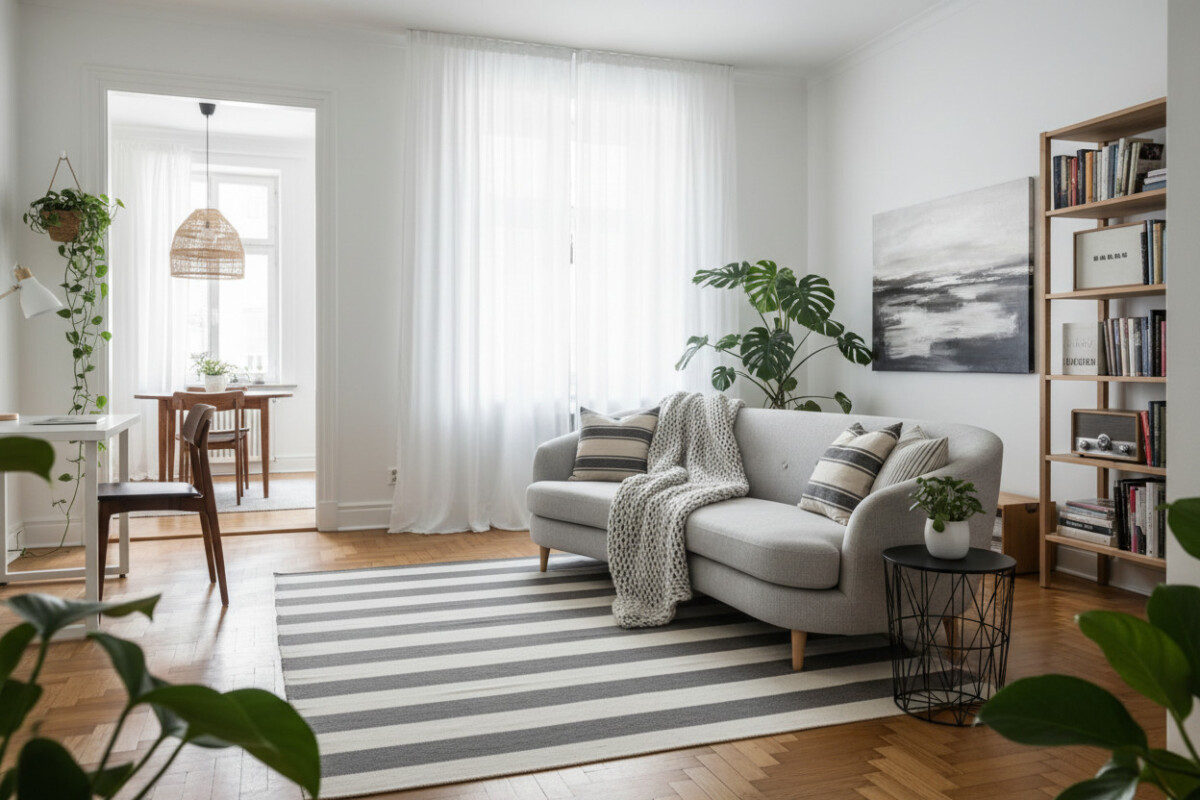
Use Lighter Window Treatments
Window coverings can either help a room feel bright or make it feel closed in.
Heavy drapes and thick blackout curtains are useful in some situations, but if the goal is to increase natural light, they are often the wrong choice for daytime living spaces.
Better options include:
- sheer curtains
- light linen panels
- roman shades in soft tones
- blinds that can be adjusted instead of fully closed
The idea is not to remove privacy entirely. It is to choose coverings that let light move through the room more easily.
A lot of people are surprised by how much this changes the atmosphere. Even when the curtains are open, some fabrics still absorb a lot of light. Lighter, thinner materials let the room feel softer and brighter at the same time.
Keep Window Glass Clean
This is one of the simplest fixes and one of the most overlooked.
Dirty windows reduce the amount of light that enters the room. Dust, streaks, water spots, and buildup may not seem dramatic, but they can dull the light more than you realize.
Once the glass is clean, the difference can be immediate.
A room that already had light can suddenly feel clearer and brighter.
It is the kind of task people skip because it seems too basic to matter, but it really does. Clean glass lets the light work properly.
And when you are trying to make a room feel brighter, every bit counts.
Choose Reflective Surfaces
If you cannot create more light from outside, you can still help the light bounce around more effectively inside.
That is where reflective surfaces come in.
Things that help include:
- mirrors
- glass tables
- glossy decor
- polished finishes
- metallic accents
Mirrors are especially effective because they do two things at once. They reflect light and visually open the room. A well-placed mirror can make a space feel noticeably larger and brighter.
This does not mean every room should look shiny or overly styled. Too much reflection can feel cold. But a few thoughtful pieces can help the natural light spread farther.
The trick is balance.
You want light to bounce, not glare.
Place Mirrors Strategically
A mirror only helps if it is in the right place.
If you hang one where it reflects a window or a bright part of the room, it can multiply the effect of the light and spread it deeper into the space. If it reflects a blank wall or a dark corner, the result is much less useful.
The best spots are usually:
- opposite or near a window
- in darker hallway areas
- across from bright open spaces
- where the mirror catches daylight and redirects it
This is one of the easiest ways to increase natural light without any construction.
It feels simple because it is simple. But simple does not mean ineffective.
Use a Lighter Color Palette
Color affects how a room handles light.
Dark walls absorb light. Light walls reflect it.
That is why white, cream, pale beige, soft gray, and other light tones are so common in rooms that need more brightness.
If a room is too dim, repainting the walls in a lighter shade can make a huge difference. The same goes for ceilings, which are often forgotten. A lighter ceiling helps the room feel taller and more open.
You do not need everything to be stark white either. Softer warm neutrals can still reflect light well while making the room feel more inviting.
The goal is to choose colors that do not swallow the daylight.
Rethink Your Furniture
Large, bulky furniture can make a room feel darker than it really is.
This happens for two reasons.
First, heavy furniture can physically block windows or interrupt light paths. Second, dark, oversized pieces make the room feel visually denser.
You do not necessarily need to replace everything. Often, it is enough to rearrange.
A few useful ideas:
- move tall pieces away from windows
- use furniture with open legs
- choose smaller-scale pieces where possible
- avoid placing a large sofa directly in front of the brightest window
Furniture with more visible floor space underneath tends to feel lighter. It lets the room breathe.
That one detail makes a big difference in rooms that struggle with natural light.
Let the Floor Help Too
People often think only about walls and windows, but floors matter as well.
Dark floors absorb light and can make a room feel heavier. Lighter floors reflect more of it back into the space.
If changing floors is not an option, rugs can help shape the feeling of the room. A rug that is too dark or too large can weigh the room down. A lighter rug can make the space feel more open.
You do not need everything to match perfectly. You just want the floor area to support the brightness rather than pulling it down.
Keep Window Areas Open
Windows work best when they have room to do their job.
If the area around them is crowded, the light gets interrupted. That means no big furniture in front of them, no piles of decor on the sill, and no tall plants blocking the glass unless that is part of the design intentionally.
Even a little clutter can change how the light enters the room.
A clean, open window area lets daylight move in more freely and makes the room feel less obstructed.
This is especially helpful in smaller homes where every bit of openness matters.
Trim Outdoor Blockers If Needed
Sometimes the problem is not inside the house at all.
Trees, shrubs, fences, or even overgrown plants outside the window can cut down the amount of light that enters the room.
If you notice one room feeling much darker than the others, it may be worth looking outside. A branch or overgrown hedge can make a surprising difference.
Of course, you should only make changes that fit your property and comfort level. But if outdoor greenery is blocking the light more than you want, trimming it back can improve the room naturally.
That is one of the more overlooked ways to brighten a home.
Add Glass Instead of Solid Materials When Possible
If you are choosing between solid and see-through materials, glass often works better in darker rooms.
For example:
- glass doors instead of heavy opaque ones
- glass cabinet fronts
- glass tabletops
- open shelving where appropriate
The idea is to avoid creating unnecessary visual barriers.
Solid materials tend to divide the room more sharply. Glass allows light and sightlines to continue through the space, which helps the room feel less closed in.
This is especially helpful in smaller homes and apartments where maintaining openness matters.
Use Open Layout Thinking
You do not have to remodel the whole house to think like the space is more open.
Sometimes just reducing visual separation can help the room feel brighter.
That may mean:
- removing unnecessary dividers
- keeping pathways open
- avoiding heavy furniture clusters
- choosing decor that does not crowd the room
A room feels brighter when the eye can move through it easily. Even if the light itself has not changed dramatically, the openness makes the whole environment feel lighter.
That is one reason minimal styling often works so well in darker spaces.
It gives the daylight room to spread.
Choose Decor That Supports Light
Decor can either help or hurt natural light.
If the room already feels dark, too many dark objects can make it feel even heavier. That includes dark art frames, bulky decor, and overly dense styling.
You do not need to remove personality. You just want to choose pieces that feel airy.
Some good choices are:
- lighter artwork
- thin-framed mirrors
- open lampshades
- lighter ceramics
- transparent or semi-transparent accessories
The idea is to avoid creating more visual weight than the room can handle.
A few lighter accents can do a lot to support the brightness of the space.
Keep the Room Visually Simple
One of the fastest ways to make a room feel darker is to overload it.
Too many objects compete for attention, and the room starts to feel crowded. When that happens, the daylight does not feel as effective.
A simpler room tends to feel brighter because the eye is not constantly stopping and starting. There is more visual rest. More openness. More room for light to matter.
This is one reason decluttering often makes a room feel brighter even before anything else changes.
Less stuff means more light can be seen.
Make the Most of Seasonal Light
Natural light changes throughout the year.
In winter, the sun sits lower and daylight feels weaker. In summer, it is stronger and easier to spread through the room.
That means a home may need different strategies depending on the season.
In darker months:
- keep windows cleaner
- open curtains earlier
- remove temporary light blockers
- use mirrors more intentionally
In brighter months:
- control glare if needed
- use light fabrics
- balance brightness with comfort
Thinking seasonally helps you make better choices instead of expecting the same light level all year.
Use Paint on the Ceiling and Trim Too
Walls are important, but ceilings and trim play a bigger role than people often realize.
A bright ceiling helps the whole room feel taller and more open. Light trim can frame the room in a way that keeps the eye moving.
If your walls are light but the trim is dark, the room may still feel heavier than it needs to.
When working with limited natural light, these small details matter.
They do not solve everything on their own, but they help support the overall effect.
Add More Internal Light Without Losing the Natural Feel
This is not technically natural light, but it helps the room feel closer to it when daylight fades.
Using warm, soft lighting during evening hours keeps the room from feeling abruptly dark. That way the space maintains a gentle brightness instead of going from very bright to very harsh.
Layered lighting can work well with natural light by supporting the room rather than fighting it.
It makes the home feel more balanced.
Focus on One Room at a Time
If your whole house feels dark, do not try to fix everything in one day.
Start with the room that matters most.
Maybe it is the living room. Maybe it is the kitchen. Maybe it is the room where you spend the most time during the day.
Make changes there first:
- clear the windows
- lighten the curtains
- move furniture
- add a mirror
- reduce clutter
Once you see the difference in one room, it becomes easier to do the next one.
That is usually how progress works in homes. Small wins lead to bigger ones.
The Biggest Lesson About Natural Light
The biggest thing I learned is this:
natural light is not just about windows.
It is about everything around the windows, everything inside the room, and everything that helps the light travel once it enters.
A bright home is often not the result of one giant fix. It is the result of many smaller choices that quietly support the light instead of blocking it.
Once that shift happens, the space starts to feel different in a very real way.
More open. More balanced. More pleasant to live in.
And that is usually what people are trying to create in the first place.
Final Thoughts
If a home feels too dark, that does not mean you are stuck with it.
You can usually make it brighter in ways that are simple, realistic, and far less expensive than a renovation.
Start with the basics:
- remove what blocks the windows
- use lighter curtains
- clean the glass
- add mirrors
- choose lighter colors
- simplify the room
Then build from there.
The more you help light move through the space, the more the entire home changes.
And the best part is that you do not need to do everything at once.
You just need to create a few openings for the light to do its work.