Table of Contents
Moving into a small apartment changes the way you think about almost everything.
Suddenly, storage matters more. Furniture choices matter more. Even the things you once bought without thinking start to feel different when every square foot has to earn its place.
A small space can feel cozy and beautiful, but it can also become overwhelming very quickly if there is no system behind it.
That is the part people do not talk about enough.
The apartment itself is not the problem. The real issue is usually what happens after move-in day. Boxes stay unpacked. Clothes end up in random piles. Kitchen items get stuffed into drawers just to get them out of the way. And because the space is small, the clutter feels larger than it actually is.
That is why the best moving and organizing hacks for a small apartment are not about making the space look perfect. They are about making it work.
Once that shift happens, everything becomes easier.
You do not need a giant closet, a full storage room, or expensive custom furniture. You need smart decisions, simple habits, and a little bit of planning before and after the move.
And when you do it right, even a tiny apartment can feel calm, functional, and surprisingly open.
Start With the Right Mindset Before You Move
The easiest mistake to make when moving into a small apartment is bringing everything as if you are moving into a bigger home.
That usually creates problems immediately.
A small apartment does not give you extra space to “figure things out later.” Every item you bring in has to fit, and not just physically. It has to make sense in the way you live.
That is why the first step is not packing boxes.
The first step is deciding what actually deserves to come with you.
This is where a lot of people get stuck. It feels faster to pack everything and deal with it later. But later usually becomes chaos. Instead, it helps to think of the move as a reset.
Not everything needs to survive the move.
Not every object needs to become part of your new home.
And the less clutter you carry in at the beginning, the easier the apartment will feel from the start.
1. Declutter Before You Pack
This is the most important moving hack of all.
Packing is much easier when you are not packing junk.
Before anything goes into a box, sort through it honestly. Ask yourself whether you use it, need it, or even like it enough to keep making room for it.
In a small apartment, every category matters:
- clothes
- kitchen items
- books
- décor
- storage bins
- random “maybe useful later” things
If something has not been used in a long time and does not have a clear purpose, it is usually better to let it go.
This step is especially important because a small apartment does not forgive excess. A few unnecessary boxes can make the whole place feel crowded before you even unpack properly.
The best move is to enter the apartment lighter than you left the last one.
2. Pack by Category, Not by Random Boxes
One of the easiest ways to make moving harder is throwing things into boxes without a system.
At first, it may feel efficient. In reality, it causes confusion later.
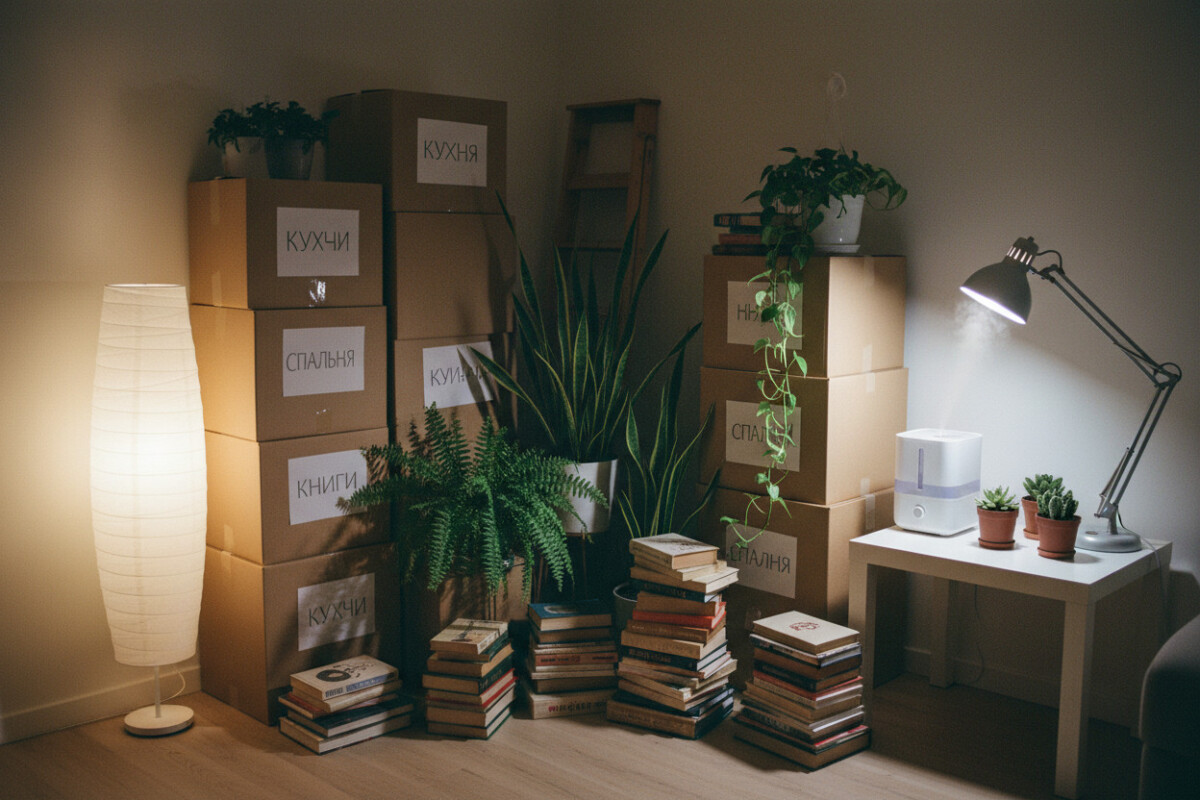
Packing by category makes unpacking much smoother. Keep similar items together so that each box has a clear purpose. That way, when you arrive, you are not opening mystery boxes full of mixed items from five different rooms.
For a small apartment, this matters even more because you usually do not have room to spread out and sort everything at once.
A few smart categories work much better than a pile of random boxes.
For example:
- kitchen supplies together
- bathroom items together
- seasonal clothes together
- books and papers together
- décor and sentimental items together
This makes it easier to decide what should be unpacked first and what can wait.
The goal is to reduce decision fatigue before it even starts.
3. Unpack the Essentials First
When you move into a small apartment, it is tempting to open every box right away.
But that usually creates clutter before there is even a system in place.
A better approach is to unpack only what you need immediately.
Start with the basics:
- bed and bedding
- toiletries
- a few dishes and utensils
- cleaning supplies
- daily clothes
- chargers and important electronics
Once the essentials are in place, the apartment starts functioning. That alone lowers stress.
Then you can slowly unpack the rest with more intention.
This matters because a small apartment can look messy very quickly if every single box is opened at once. A staged unpacking process helps you avoid that overwhelmed feeling.
You are not behind if everything is not done in one day.
You are being strategic.
4. Use Vertical Space Like It Is Valuable, Because It Is
In a small apartment, floor space is limited. That means the walls become part of your storage plan.
This is one of the biggest mindset changes for small-space living.
Instead of only thinking about where things sit on the floor or inside cabinets, start thinking upward.
Vertical space can hold a surprising amount if you use it well.
That includes:
- wall shelves
- hanging organizers
- hooks
- over-the-door storage
- stackable bins
- tall storage units
When things move upward, the room feels less crowded. The floor stays more open. And open floor space makes the apartment feel bigger, even if nothing about the actual square footage has changed.
This is one of the easiest ways to make a small place feel more breathable.
5. Choose Furniture That Does More Than One Job
In a small apartment, every piece of furniture should earn its keep.
This does not mean everything has to be hidden storage furniture. It just means the items you choose should work harder than they would in a larger home.
A few good examples:
- a bed with storage underneath
- a coffee table with shelves or drawers
- a bench that also stores items
- a folding table
- nesting tables
- stools that can be tucked away
Furniture that serves multiple purposes saves space and reduces the number of separate items you need to fit into the apartment.
That is what makes small-space living manageable.
Instead of filling the room with single-purpose pieces, you build a setup where each item contributes more than once.
6. Think in Zones
This is one of the simplest organizing tricks, but it makes a huge difference.
Instead of treating the apartment as one general space, divide it into zones based on activity.
For example:
- sleep zone
- work zone
- cooking zone
- cleaning zone
- getting-ready zone
When each area has a clear purpose, your apartment starts feeling more organized naturally.
This also keeps things from spreading everywhere.
For example, if your work zone is a small desk or table, only work-related items should live there. If your kitchen zone is limited, keep only the most useful cooking tools nearby.
Zones make it easier to know where things belong.
And when every item has a home, clutter becomes less likely to take over.
7. Keep Surfaces as Clear as Possible
In a small apartment, surfaces disappear fast.
Countertops become catch-all spots. Tables become dumping grounds. Nightstands collect random items. And suddenly the whole place feels busier than it really is.
One of the best ways to make a small apartment feel bigger is to keep visible surfaces clear.
This does not mean sterile or empty. It means intentional.
Leave out only what you use often or genuinely want to see.
A clear surface does a few things at once:
- it makes cleaning easier
- it makes the room feel less crowded
- it creates a sense of calm
- it helps you notice clutter before it spreads
Even a little empty space gives the room room to breathe.
That is a powerful thing in a small apartment.
8. Use Storage Bins Carefully
Bins are helpful. Too many bins can become part of the problem.
That is the balance to keep in mind.
Storage bins work best when they are labeled, stacked neatly, and used with a real purpose. They are not magic containers that fix clutter on their own.
If you are storing things in bins, be honest about what is inside them. If a bin is full of random items you never use, it is not organizing. It is hiding clutter.
The best bins are the ones that make retrieval easy.
You should know what is inside, where it belongs, and why you are keeping it.
That is what makes them useful.
9. Make Use of Under-Bed Space
Under-bed storage is one of the easiest ways to gain space in a small apartment.
It is often overlooked because people focus on closets and shelves first. But the space under the bed can hold a lot if it is used well.
Good items for under-bed storage include:
- off-season clothes
- extra bedding
- shoes
- travel items
- sentimental boxes
- spare household supplies
This area works best when items are stored in low-profile bins or containers that slide in and out easily.
The key is not to shove random things under there and forget about them. The goal is to use the space in a controlled way so it supports the rest of the apartment.
10. Keep Only the Kitchen Tools You Actually Use
Small kitchens fill up fast.
That is one of the biggest challenges in apartment living.
There is rarely room for every gadget, every backup tool, or every “nice to have” item. Which means the kitchen has to be edited carefully.
The best approach is to keep the tools that support your actual cooking habits.
If you cook simple meals, you probably do not need a crowded collection of specialty items. If you make coffee every day, keep the setup tight and easy to reach. If you bake occasionally, store the baking items together instead of scattering them across the kitchen.
A small kitchen feels much calmer when it is built around real use instead of ideal use.
That makes cleanup easier too.
11. Rotate Seasonal Items Out of Sight
A small apartment cannot afford to store everything at once in the visible areas.
That is where seasonal rotation helps.
Instead of keeping every jacket, blanket, or decorative item out year-round, rotate things based on the time of year.
This keeps the space from feeling overloaded and also makes it easier to find what you need.
For example:
- heavy blankets in colder months
- lighter fabrics in warmer months
- seasonal décor swapped in and out
- shoes and accessories rotated based on weather
This is a simple but effective way to keep the apartment from feeling full all the time.
The less you keep visible, the less visual clutter you create.
12. Label Everything That Could Become Confusing Later
Labels are not just for aesthetics.
They save time, reduce frustration, and help other people understand where things go too.
This matters a lot in a small apartment because storage space often gets compact and layered. Boxes start stacking. Closets get divided. Cabinets get shared between multiple categories.
Without labels, it becomes too easy to forget what is where.
That usually leads to duplicate purchases, messy searching, and items getting shoved into the wrong place.
A simple label turns vague storage into usable storage.
And usable storage is what keeps a small apartment functional.
13. Make Cleaning Easier by Reducing Clutter
This one is often overlooked.
The less clutter you have, the easier your apartment is to clean.
That matters a lot in a small space because every dust pile, crumb, and loose object is more visible.
If the room is packed, cleaning feels like a battle. If the room is simplified, cleaning becomes a quick reset.
That is why minimal clutter is not just about appearance. It is about maintenance.
A small apartment that is easy to clean will feel better every single day.
And that feeling adds up.
14. Leave Room for Life, Not Just Storage
This is the real heart of small-apartment organization.
A well-organized apartment should still feel livable.
It should not feel like every corner has been assigned to storage. It should not feel packed edge to edge. It should have enough breathing room to support the way you actually move through it.
That means not every wall has to be covered. Not every shelf has to be full. Not every drawer has to be maxed out.
A little negative space is important.
It gives the apartment a sense of ease.
And when you are living in a smaller home, that ease matters more than perfection ever will.
15. Build a Simple Reset Habit
The best organizing hack is not a product.
It is a habit.
If you want a small apartment to stay organized, you need a quick reset routine. Not a complicated cleaning marathon. Just a small, repeatable system.
That might mean:
- putting things back where they belong each night
- doing a five-minute tidy before bed
- sorting mail immediately
- clearing surfaces once a day
- returning items to their zones after use
These tiny habits prevent the slow buildup that turns a small apartment into a stressful one.
A reset habit is what keeps the system alive.
Without it, even the best organization will start falling apart.
Final Thoughts
A small apartment does not have to feel cramped, chaotic, or hard to manage.
It only feels that way when too many things are fighting for too little space.
The best moving and organizing hacks are the ones that help you choose what stays, where it goes, and how often it needs attention. Once you stop trying to make a small space behave like a big one, it gets much easier to live well in it.
Start with what you truly need. Use vertical space. Pick furniture that works harder. Keep surfaces clear. Build simple zones. And keep your systems realistic enough that you will actually use them.
That is how a small apartment becomes more than just a place to fit your things.
It becomes a place that works with you instead of against you.
And that makes all the difference.