Table of Contents
There are certain habits that sit in the back of your mind for years.
You notice them. You wonder about them. You tell yourself you will look into it later.
Unplugging chargers when they are not in use is one of those habits.
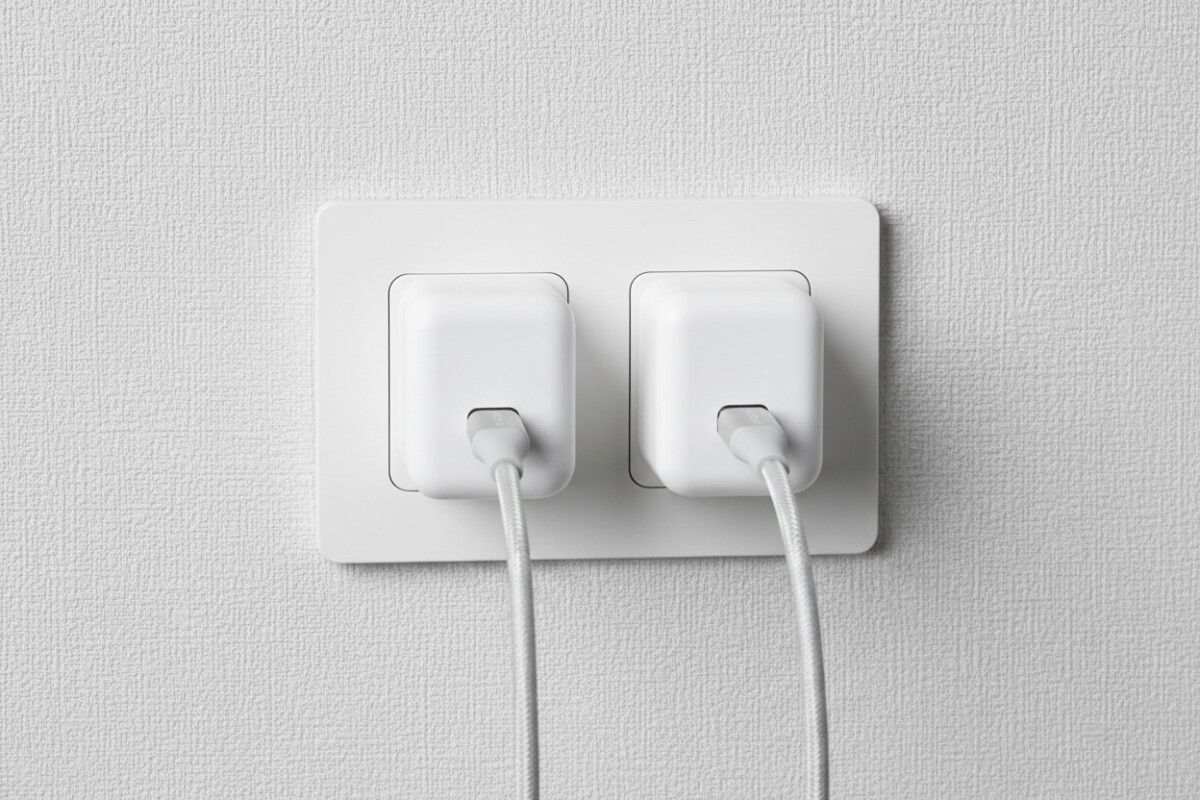
It sounds simple enough. Almost too simple to matter. A phone charger plugged into the wall by itself does not seem dangerous. It does not make noise. It does not take up much space. Most of the time, it is just sitting there quietly, waiting for the next device.
That is exactly why people stop thinking about it.
But once you start paying attention to energy use, safety, wear and tear, and the way modern homes rely on dozens of tiny plugged-in devices, the question becomes more interesting.
Should you unplug chargers when not in use?
The short answer is that it is usually a smart habit, but not always essential in every single situation. Like most small household decisions, the real answer depends on what you care about most: saving energy, reducing clutter, improving safety, or protecting the charger itself.
And once you look at it from those angles, the habit starts to make a lot more sense.
Why This Question Comes Up So Often
People usually start asking this for one of three reasons.
Sometimes it is about electricity bills. A charger left in the wall does use a tiny amount of power, even when nothing is connected to it. That is not usually a huge amount, but if you have a lot of chargers around the house, the question becomes more practical.
Sometimes it is about safety. Anything connected to electricity makes people think twice, especially if the charger feels warm, old, or cheap.
And sometimes it is just about habit. Some people like the feeling of unplugging things at the end of the day. Others prefer leaving everything ready to go.
The interesting part is that all three concerns are valid.
That is why this small topic gets more attention than you might expect.
What Happens When a Charger Stays Plugged In
A charger that is plugged into the wall but not connected to a device is still drawing a small amount of power. This is often called vampire power or standby power.
It is usually not a dramatic amount from a single charger. You probably will not look at one phone charger and suddenly see your bill spike. But the effect becomes more noticeable when you multiply it across:
- phone chargers
- tablet chargers
- laptop chargers
- smart speakers
- small appliances
- power adapters
- gaming accessories
A single charger sitting there is one thing. A house full of them is another.
That is why the answer is not just about one plug. It is about the whole household pattern.
Is It Wasting Electricity?
Yes, but usually only a little per charger.
That is the part people often misunderstand. A charger left plugged in is not necessarily draining huge amounts of power. The waste is usually small on its own.
But small waste repeated every day, across many devices, adds up over time.
And even if the electricity cost is not dramatic, there is something satisfying about removing unnecessary drain wherever possible. It is one of those tiny efficiency habits that feels better the more you practice it.
If you like the idea of using less without changing your life too much, this is an easy place to start.
The Safety Side of the Story
This is where the conversation gets more serious.
Most modern chargers are designed with safety in mind. A decent charger from a reputable brand should not overheat just because it is plugged in. But not all chargers are equal.
Cheap, damaged, old, or poorly made chargers can be a problem. Signs of trouble include:
- unusual heat
- frayed cords
- bent prongs
- loose connections
- strange smells
- buzzing or crackling sounds
If a charger has any of those signs, it should not be ignored.
In that case, the issue is no longer “Should I unplug it when I am not using it?” The issue becomes “Should I keep using this charger at all?”
That is a different question entirely.
A charger that seems worn out is better replaced than trusted indefinitely.
Heat Matters More Than People Realize
One reason some people prefer unplugging chargers is heat.
Even when a charger is working normally, it can warm up a little. That is not always a problem. Many electronics generate some heat during use. But unnecessary heat is never something to brush off completely.
Heat can signal stress, inefficiency, or wear.
If a charger is plugged in all the time and constantly feels warm, it is worth paying attention. The warmth may still be within normal range, but if it gets noticeably hot, that is a reason to stop and inspect it.
A charger should not feel like a tiny space heater in the wall.
That is one of the easiest ways to tell that something is off.
Does Unplugging Chargers Save Money?
Yes, though usually not a huge amount from one charger alone.
That is where realistic expectations matter.
People sometimes hope a simple habit like this will cut their electric bill in half. It will not. But it can still help, especially when combined with other small habits around the home.
If you unplug chargers, power strips, and idle electronics regularly, you reduce waste little by little. The savings may not feel dramatic overnight, but they add up over time.
And in a household with many devices, that matters more than people think.
The bigger benefit is not just the money. It is the mindset.
Once you start noticing how many things draw power even when not in active use, you become more intentional about what stays plugged in.
That shift is useful.
What About Modern Chargers?
This is an important point.
Many modern chargers are quite efficient. Some are designed to use very little power when idle. That means the standby drain may be smaller than people fear.
So if you leave a quality charger plugged in occasionally, that is not the end of the world.
But even efficient chargers still create some level of standby use, and leaving them plugged in all the time is still not ideal if your goal is to reduce waste and simplify your space.
So the modern answer is not “you must panic and unplug everything immediately.”
It is more like this:
The risk is usually small, but the habit is still worthwhile.
That is a much more balanced way to think about it.
Why Some People Prefer Leaving Chargers Plugged In
There are practical reasons not to unplug them every single time.
For one thing, convenience matters. If you use the same charger daily, leaving it plugged in means you do not have to hunt for it or bend behind furniture every time you need to charge something.
Some people also use charging stations in fixed locations. In that case, unplugging and replugging repeatedly is annoying and unnecessary.
So the real question is not whether unplugging is always better in every situation. It is whether the trade-off is worth it for you.
If the charger is in a safe, stable, low-use setup, leaving it there may be perfectly fine.
If it is old, cheap, or rarely used, unplugging makes more sense.
The Best Time to Unplug a Charger
The best time is whenever it is clearly not needed for a while.
That might be:
- overnight
- when you leave the house
- when the charger is connected to nothing for long periods
- when a device is already fully charged
If you know a charger is not going to be used soon, unplugging it is a simple way to avoid unnecessary standby power and reduce clutter.
It also gives you a chance to notice if the cord is damaged, the plug is loose, or the adapter looks worn.
That little moment of attention is useful.
Chargers and Fire Risk
This is the part many people worry about most.
In general, properly made chargers are designed to be safe. But fire risk becomes more relevant when chargers are damaged, overused, covered by fabric, trapped under furniture, or plugged into questionable outlets.
A charger that is left in a bad environment can become a problem even if it is technically “off” or not connected to a device.
For example:
- a charger under a pillow or blanket can trap heat
- a charger with damaged insulation can fail
- an overloaded outlet can create stress
- an old adapter can deteriorate over time
So while the charger itself is usually low-risk when used correctly, the context matters.
Unplugging when not in use reduces one more potential point of failure.
The Hidden Benefit: Less Visual Clutter
There is another reason people like unplugging chargers.
It makes the room feel calmer.
Cords hanging from outlets create a sense of visual mess, even if the space is otherwise tidy. A few chargers left out all the time can make a desk, bedside table, or kitchen counter look busier than it really is.
When you remove the charger from the wall, the space instantly feels cleaner.
That might sound minor, but clutter affects how a room feels more than people admit.
Sometimes unplugging a charger is not just about electricity. It is about creating a sense of order.
What I Think Is the Most Practical Habit
The most realistic approach is not to treat every charger the same.
Instead, I think in categories:
Use often
If the charger is used every day and is in a safe, accessible place, leaving it plugged in is usually fine.
Use sometimes
If the charger is only used occasionally, unplugging it when not needed makes sense.
Old or cheap
If the charger is old, warm, damaged, or questionable, it should be replaced or removed altogether.
Travel or backup chargers
These are the easiest ones to unplug and store when not in use.
That way, you are not forcing one rule onto every situation. You are using judgment.
And that is usually the best system.
A Simple Rule That Works
If you want one rule that is easy to remember, it is this:
If a charger is not actively needed, unplug it.
That does not mean you must obsess over every outlet. It just means you stay aware of what is actually being used.
That one habit gives you:
- less unnecessary power use
- less clutter
- less heat buildup
- fewer things left plugged in without a reason
It is a small action, but it is one of those small actions that quietly improves a home.
What Not to Overthink
There is no need to treat every plugged-in charger like a dangerous object.
That is not the point.
A quality charger in good condition is generally safe when used properly. You do not need to become paranoid about leaving a phone charger in the wall for a few hours or even overnight in many cases.
What matters is the pattern.
If chargers are always sitting in outlets without reason, that is when the habit becomes worth changing.
The goal is not fear.
The goal is awareness.
Final Thoughts
So, should you unplug chargers when not in use?
In most cases, yes, it is a good habit.
Not because every charger is secretly dangerous. Not because your electric bill will explode if you do not. But because unplugging them helps reduce small energy waste, lowers clutter, and gives you a chance to check whether the charger is actually in good condition.
The habit is simple enough to be worth doing, especially for chargers you do not use every day.
And that is really the whole point.
Not every household habit needs to be dramatic to matter.
Sometimes the best ones are the small, quiet, repetitive choices that slowly make your space safer, cleaner, and easier to live in.
