Table of Contents
Winter has a way of turning ordinary things into fragile things.
Something that feels completely harmless in September can become cracked, warped, frozen, or unusable by January. A few items outside for “just a little while” can survive just fine. But leave them there long enough, and winter starts doing what winter does best: breaking things slowly, quietly, and without much warning.
That is why outdoor storage becomes such a big deal once the temperature drops.
At first, it feels harmless to leave things on the patio, in the yard, or beside the house. You tell yourself it is temporary. You will move it later. You will get to it before the next storm. You will probably remember after the weekend.
And then the cold settles in.
Snow piles up. Rain freezes. Wind pushes moisture into every crack. Materials that seemed solid suddenly become brittle. Metal rusts faster. Plastic hardens. Fabric gets soaked and damaged. Wood swells or splits. Batteries die. Anything that can absorb moisture usually does. Anything that cannot tolerate freezing usually does not.
That is why winter storage is not just about tidiness. It is about protecting things from damage that is completely avoidable.
Once I started paying attention to what should never stay outside through winter, everything became simpler. Less repair work. Less waste. Less frustration in spring.
So instead of waiting until something is ruined, it helps to know what should come inside first.
Why Winter Is So Hard on Outdoor Items
The problem with winter is not just the cold.
It is the combination of cold, moisture, wind, and repeated freeze-thaw cycles. Those changes are what really do the damage.
One day something is dry. The next day it is wet. Then it freezes. Then it thaws. Then it freezes again. That constant expansion and contraction can be brutal on materials that are not meant to handle it.
That is why some items look fine in November and suddenly fall apart by March.
The cold does not always destroy things immediately. More often, it weakens them little by little until the damage shows up later.
That is the part people underestimate.
1. Garden Hoses
This is one of the most important things to bring inside before winter hits.
A garden hose left outside in freezing weather can crack, split, or become permanently damaged. Any water left inside can freeze, expand, and cause stress in the hose material.
That means even a hose that looks fine on the outside may fail the moment you try to use it again.
Before winter, it is best to:
- disconnect it
- drain all the water out
- coil it properly
- store it somewhere dry
This is one of those small tasks that saves you from buying a replacement later.
A hose is not expensive enough to gamble with, and winter is very good at exposing every weak spot in one.
2. Outdoor Cushions and Fabric Items
Anything soft and fabric-based should usually come inside.
That includes:
- chair cushions
- patio pillows
- outdoor blankets
- fabric covers
- throws left on porch furniture
Fabric and moisture are not friends in winter.
Once a cushion gets wet and stays wet, it can develop mold, mildew, odor, and permanent damage. Even if it does not visibly rot, it can become uncomfortable, misshapen, and stained.
Winter fabric damage is especially annoying because it often starts quietly. One damp night turns into one soaked week. Then the item smells musty. Then the stuffing clumps. Then it never really feels clean again.
If something is soft, padded, or covered in fabric, it is usually better indoors.
3. Power Tools
Power tools do not belong outside in winter.
That includes drills, saws, sanders, batteries, chargers, and anything with electrical components.
Moisture and freezing temperatures can damage:
- wiring
- batteries
- housings
- internal parts
Cold can also shorten battery life or make batteries perform poorly. If moisture gets into the tool and then freezes, the damage can become worse over time.
Even if a tool is stored on a covered porch or in a shed, winter conditions can still affect it.
A dry indoor storage space is always safer.
This is one of those categories where “probably fine” is not really good enough.
4. Batteries
Batteries are especially sensitive to temperature.
Leaving them outside in winter can reduce their life, weaken their performance, or even cause permanent damage depending on the type.
That includes:
- spare household batteries
- rechargeable batteries
- tool batteries
- battery packs
- backup batteries for equipment
Cold weather can drain them faster, and repeated exposure can shorten how long they last overall.
If batteries belong to something that stays outdoors, bring the batteries in separately if possible. That small step can make a big difference.
5. Paint and Finishes
Paint does not like winter.
Neither do sealants, stains, or other liquid finishing products.
If they freeze, separate, or become unstable, they may no longer work the way they should. Even partially used cans can become unusable once the temperature drops too far.
This applies to:
- leftover wall paint
- exterior paint
- stain cans
- sealers
- caulk tubes stored in cold areas
People often keep these in sheds, garages, or outdoor storage spaces because they seem protected enough. But cold can still ruin them.
If the product is meant to stay usable, it is usually safer indoors where the temperature stays stable.
6. Outdoor Shoes and Boots
It might seem convenient to leave boots near the door or on an outdoor mat.
But winter is rough on footwear.
Wet snow, ice, slush, and repeated freezing can damage materials, stiffen leather, and create odor or mildew inside the shoes. When water gets into them and freezes, it can also affect their shape and comfort.
If you care about keeping them in good condition, dry them properly and store them inside whenever possible.
That is especially true for:
- leather boots
- insulated boots
- expensive winter shoes
- specialty footwear
A warm place to dry them matters more than people think.
7. Sports Equipment
Sports equipment often ends up outside because it is bulky and awkward.
But winter is not kind to it.
Balls lose shape. Nets weaken. Plastic cracks. Metal parts rust. Padding gets damp and smells bad. Even equipment that looks tough can degrade faster than expected.
This includes:
- balls
- rackets
- bats
- helmets
- training gear
- nets
- padded equipment
If the item is not designed for freezing temperatures and wet conditions, it is better to bring it in.
A garage or indoor storage area is far safer than leaving it on the porch, in the yard, or beside the house.
8. Grills and Grill Accessories
The grill itself may be built for outdoor use, but that does not mean everything related to it should be left exposed.
Winter can damage:
- propane accessories
- grill brushes
- covers that are not waterproof enough
- lighter tools
- cooking accessories
- leftover fuel-related items stored improperly
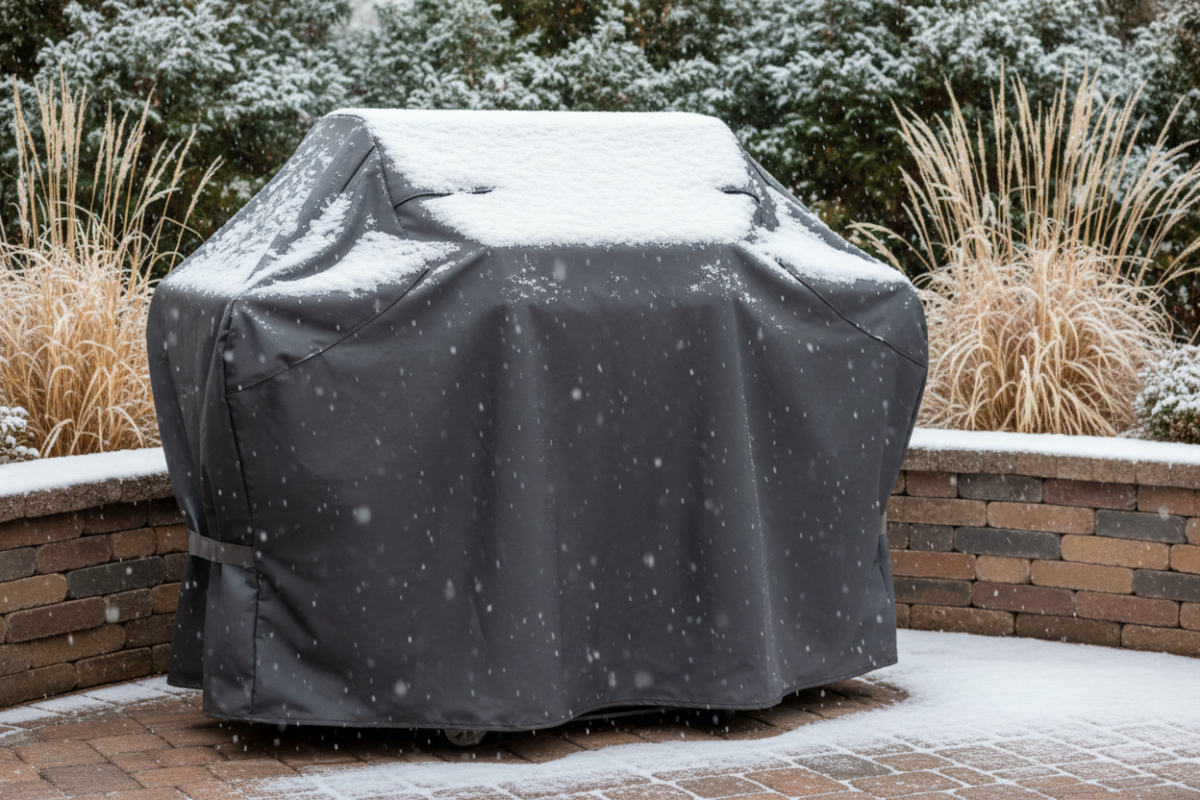
The grill should be cleaned and covered properly, and anything small or removable should be stored where moisture cannot reach it.
Winter rust is especially annoying because it spreads slowly and can ruin parts that were perfectly usable before the cold set in.
9. Plants That Cannot Handle Frost
This one matters a lot.
Some plants can survive outdoors in winter. Others absolutely cannot.
Tender plants, potted plants, tropical plants, herbs, and many flowers need to be moved inside or protected before freezing temperatures arrive.
Anything in a pot is especially vulnerable because the roots are less insulated than plants in the ground.
If a plant is not cold-hardy, leaving it outside can mean:
- leaf damage
- root damage
- full plant loss
- shock from freezing temperatures
This is one of those cases where waiting too long can turn a healthy plant into a lost one very quickly.
If you are unsure whether a plant can stay out, it is usually safer to assume it cannot.
10. Candles and Wax Items
Candles might not seem like a winter problem, but they are.
Extreme cold can make wax brittle or cause cracking. Repeated temperature shifts can also affect the texture and appearance of the candle.
Decorative candles, outdoor candles, and wax-based items should not be left where they will freeze, thaw, and freeze again.
Even if they are not destroyed completely, they can become messy, misshapen, or less pleasant to use.
These are small items, but they still count. Winter can ruin them just as easily as larger things.
11. Garden Decorations Made From Fragile Materials
Some decorations are fine outdoors year-round.
Others are not.
Items made from:
- thin ceramic
- glass
- delicate resin
- untreated wood
- decorative metal with thin coating
can take serious damage from winter weather.
Snow alone may not seem like a big deal, but once water gets into tiny cracks and freezes, the object can chip or split.
That is why seasonal decor often looks fine in late fall and suddenly broken by early spring.
If a decoration is not clearly built for winter exposure, bringing it in is the safer move.
12. Small Electronics
Anything electronic should be treated with caution.
That includes:
- outdoor speakers
- decorative lights
- chargers
- timers
- battery-powered gadgets
- motion sensors
- small appliances stored near doors or porches
Cold and moisture are a bad combination for electronics. Condensation can form. Batteries can weaken. Internal parts can fail. Even items that appear sealed may not be safe for long-term winter exposure.
If the device is not explicitly made for outdoor winter use, it is better inside.
That simple rule saves a lot of money.
13. Pet Items
Pet items can be easy to forget outside, especially if they are used seasonally.
Beds, blankets, toys, feeding accessories, and outdoor pet gear should not be left exposed in winter.
Why?
Because:
- fabric gets damp
- plastic becomes brittle
- food-related items can attract pests
- moisture causes odors and mildew
If it is a pet item that is not meant for full weather exposure, it belongs inside.
That includes things left near the back door, on a porch, or in an open storage bin.
14. Paper, Cardboard, and Packaging
Paper is one of the easiest things to forget outside because it seems harmless.
But it absorbs moisture fast.
Cardboard boxes, packaging, manuals, labels, and paper-based storage can warp, soften, and fall apart very quickly in winter conditions. Once moisture gets in, the damage usually spreads.
This is especially common in garages, sheds, and covered outdoor spaces.
If you were planning to reuse a box or keep some paperwork out there, winter is not the time to trust it.
Paper and cardboard belong in dry storage only.
15. Anything With Liquid Inside
This final category is broader, but very important.
Anything with liquid inside can freeze, expand, burst, leak, or become unusable.
That includes:
- water bottles
- soap containers
- cleaners
- plant watering supplies
- sprays
- leftover drinks
- sealed containers that are not frost-safe
Once liquid freezes, the container may crack or the contents may separate. Even if it does not break right away, the product may no longer work correctly after thawing.
This is one of those categories that people often miss because the container itself seems strong. But winter does not care how strong it looks. If there is liquid inside and the temperature is low enough, the risk is real.
A Good Winter Rule: If It Can Freeze, Soak, Crack, Rust, or Mold, Bring It In
That is the easiest way to think about the whole list.
Winter is hard on anything that is:
- absorbent
- fragile
- electronic
- liquid-filled
- fabric-based
- battery-powered
- or not designed for freezing temperatures
If the item fits one of those categories, it probably should not stay outside.
You do not need a perfect system. You just need a good habit.
Before the first real freeze, walk around your outdoor space and look at what is still sitting there. If it would be damaged by cold, moisture, or ice, move it now.
That one habit prevents a lot of spring regret.
Why It Is Better to Move Things Early
A lot of damage happens because people wait too long.
They assume there will be one more warm day. One more dry afternoon. One more chance to pick everything up later.
But winter transitions can be sudden.
The first freeze is usually the moment things go wrong. Once that happens, there may not be enough time to save everything in good condition.
Moving items early is not overreacting. It is preventing damage before the damage starts.
That is always easier than fixing things later.
What to Check Before Winter Fully Sets In
A simple seasonal sweep can save a lot of trouble.
Look for:
- cushions and fabric items
- hoses
- tools
- batteries
- paint
- shoes
- electronics
- plants
- decor
- paper items
- liquids
If it is something you would not want frozen, soaked, cracked, or moldy, bring it in.
If it is something expensive, fragile, or hard to replace, protect it even more carefully.
This is the kind of task that feels small in the moment but pays off later.
Final Thoughts
Winter does not destroy things all at once.
It wears them down slowly.
That is why knowing what should never be left outside matters so much. It is not just about keeping your yard tidy. It is about saving yourself from broken tools, ruined cushions, dead batteries, cracked containers, damaged plants, and a long list of unnecessary replacements.
Once you get into the habit of bringing the right things inside before freezing weather arrives, winter becomes much easier to manage.
Less damage. Less cleanup. Less surprise when spring comes back around.
And that is the whole point.
Protect the things that cannot protect themselves, and winter stops feeling quite so harsh.