Table of Contents
Laundry is one of those chores that never really goes away. It shows up every week, waits patiently in piles, and somehow manages to feel bigger than it should. The washing part is usually not the problem. The folding is where the energy starts to disappear.
That is why a better folding system matters so much.
When folding is smooth, the whole laundry process feels less annoying. Clothes get put away faster. Drawers stay easier to use. Closets stop turning into chaos. And even if laundry is still not fun, it becomes far more manageable.
The real secret is not folding perfectly. It is folding in a way that saves time, saves space, and makes everyday life feel a little more put together. That is what these laundry folding hacks are really for.
They are not fancy. They are not complicated. They are just practical habits that make the routine feel lighter.
Why Folding Clothes Well Matters More Than It Looks Like It Does
At first glance, folding might seem like the least important part of laundry.
The clothes are clean. That should be enough, right?
But folding affects a lot more than appearance.
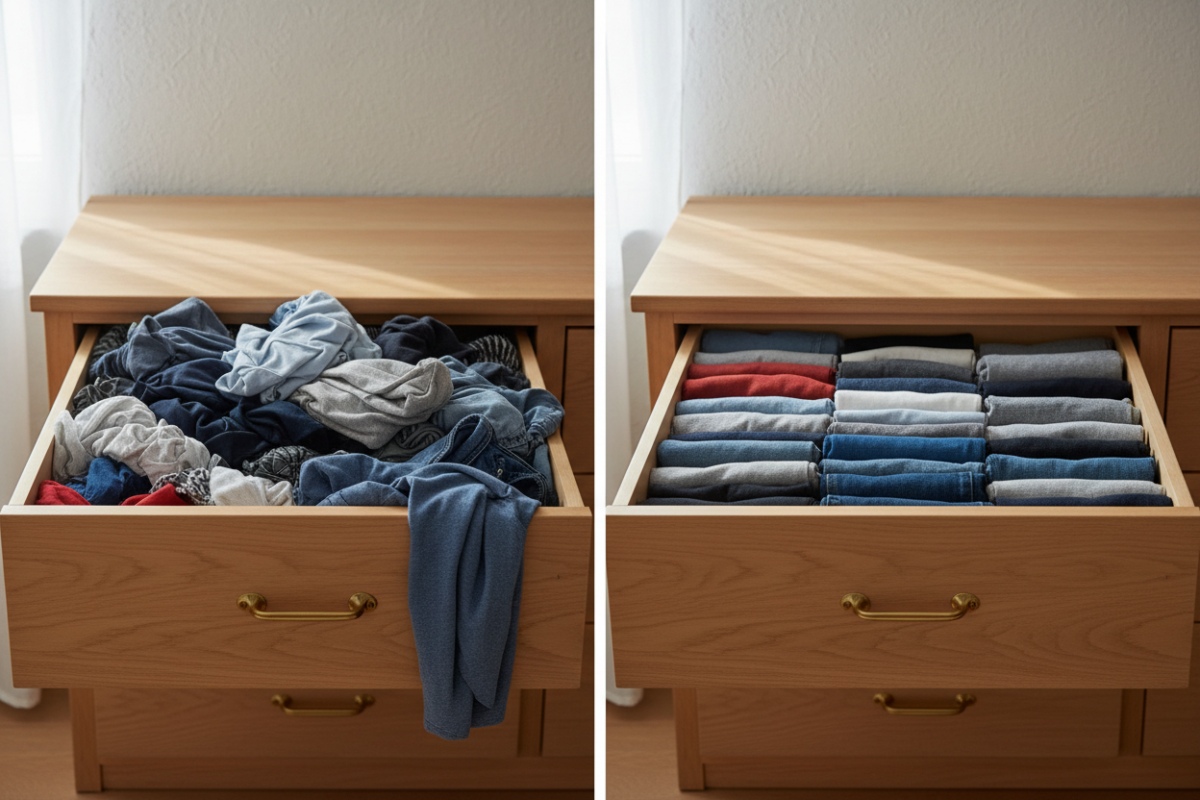
When clothes are folded well:
- drawers stay neater
- clothes are easier to find
- piles do not collapse as easily
- garments stay in better shape
- storage space works harder for you
A sloppy fold usually leads to a messy drawer. A messy drawer usually leads to more searching. And more searching usually leads to frustration when you are trying to get dressed quickly.
That is why folding is not just about neatness. It is about making the whole system function better.
The goal is not perfection. The goal is to make everyday life easier.
Start With the Right Mindset
The biggest shift is understanding that folding is part of organization, not just cleanup.
If clothes are folded randomly and shoved into a drawer, the drawer may close, but the problem is still there. It will show up the next time you open it and cannot find anything.
Good folding helps create order before the clothes are even put away.
That is why these folding hacks work so well. They reduce waste. Not just wasted space, but wasted time and energy too.
Fold T-Shirts the Easy, Neat Way
T-shirts are probably the most common item in the laundry pile, which makes them a great place to start.
A neat fold takes only a few extra seconds, but the difference is huge.
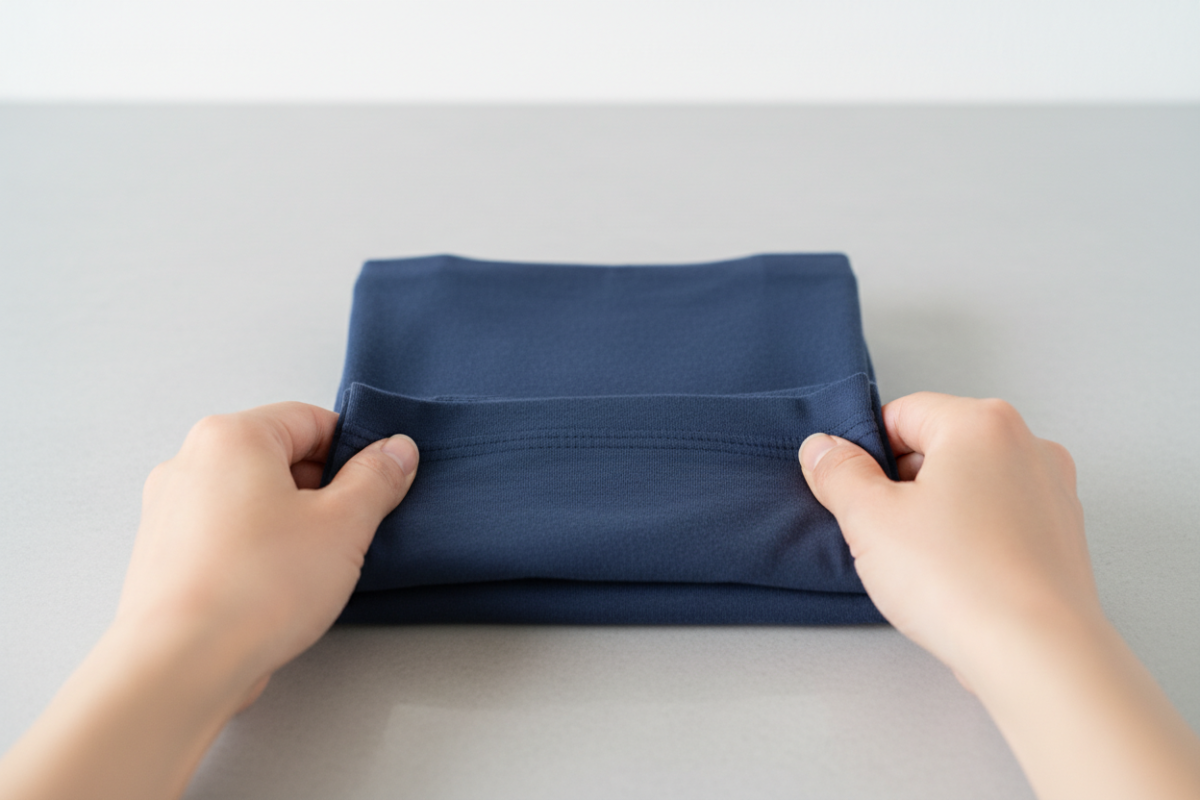
Here is the simple version:
- lay the shirt flat with the front side down
- smooth the fabric with your hands
- fold each side inward toward the center
- fold the bottom up into a clean rectangle
This creates a shape that stacks easily and fits nicely in drawers or bins.
The real benefit is consistency. Once shirts are folded into the same shape, the drawer stops looking chaotic. Even a stack of simple tees starts to feel more organized.
If you want the drawer to stay tidy longer, uniform folds make that possible.
Stop Balling Up Socks
Socks cause more frustration than they should.
One sock disappears. Another shows up later. Then there are random pairs mixed with singles, and the whole pile starts to feel hopeless.
A better system helps a lot.
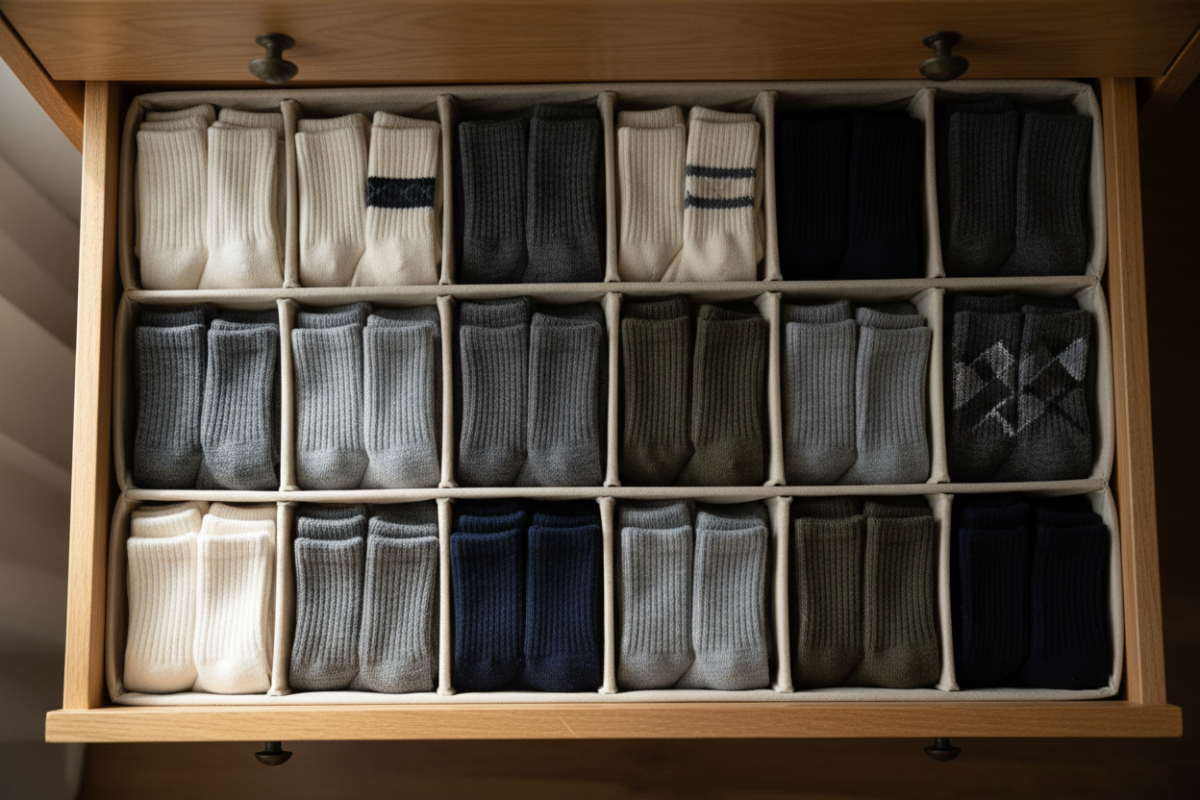
Instead of tightly balling socks together, lay one sock on top of the other, then fold them together neatly. This keeps the elastic in better shape and makes the pair easier to store.
The main reason this works better is that it keeps the sock from stretching out over time. Tight balls can wear out the fabric and make the elastic less effective.
A simple fold is easier on the socks and easier on your drawer.
If socks always seem to become a mess, this one small change can make a real difference.
Fold Jeans Without Creating a Bulky Stack
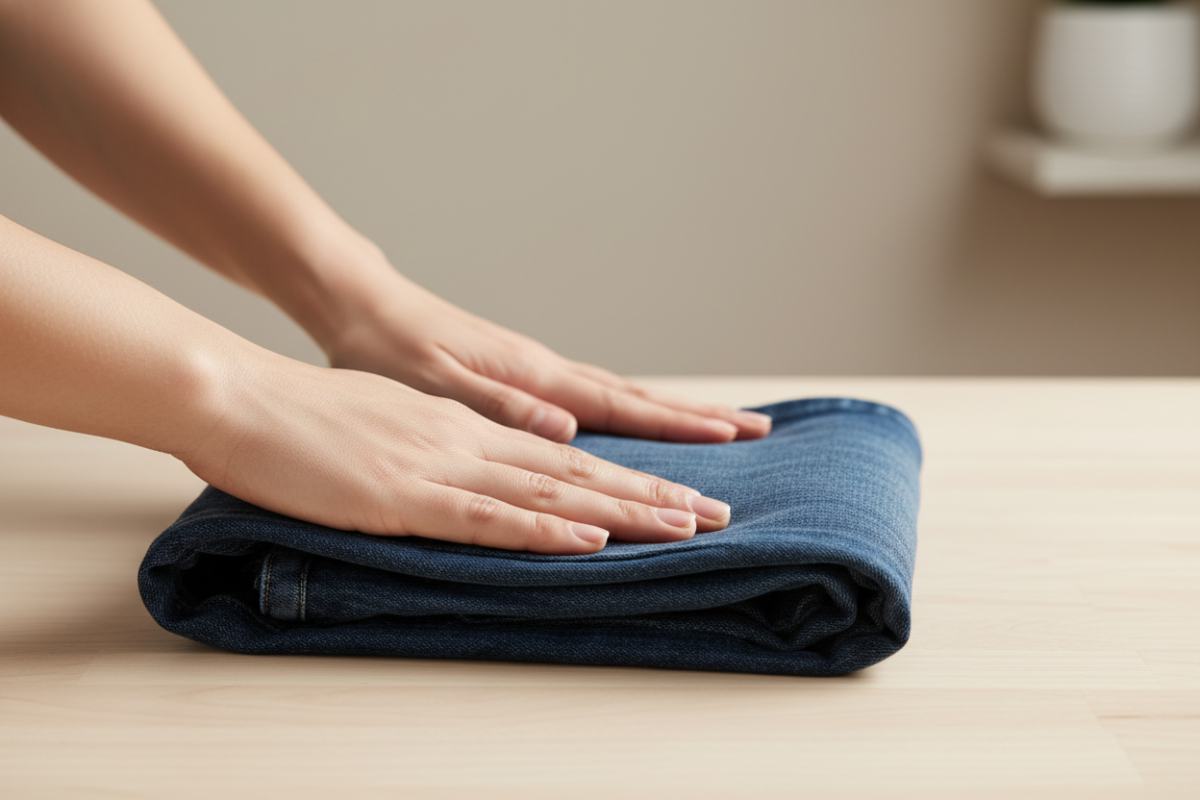
Jeans are sturdy, but they are also thick. If they are folded carelessly, they take up a surprising amount of space.
The cleaner method is simple:
- smooth the jeans flat
- fold one leg over the other
- fold them from top to bottom into a narrow shape
That makes them easier to stack on a shelf or place in a drawer without creating a lumpy pile.
This is especially helpful if you are working with limited space. Jeans do not need a lot of room if they are folded in a slimmer, more efficient way.
And once the stack is neat, it is much easier to see what you actually have.
Fold Dresses and Delicate Items With a Little More Care
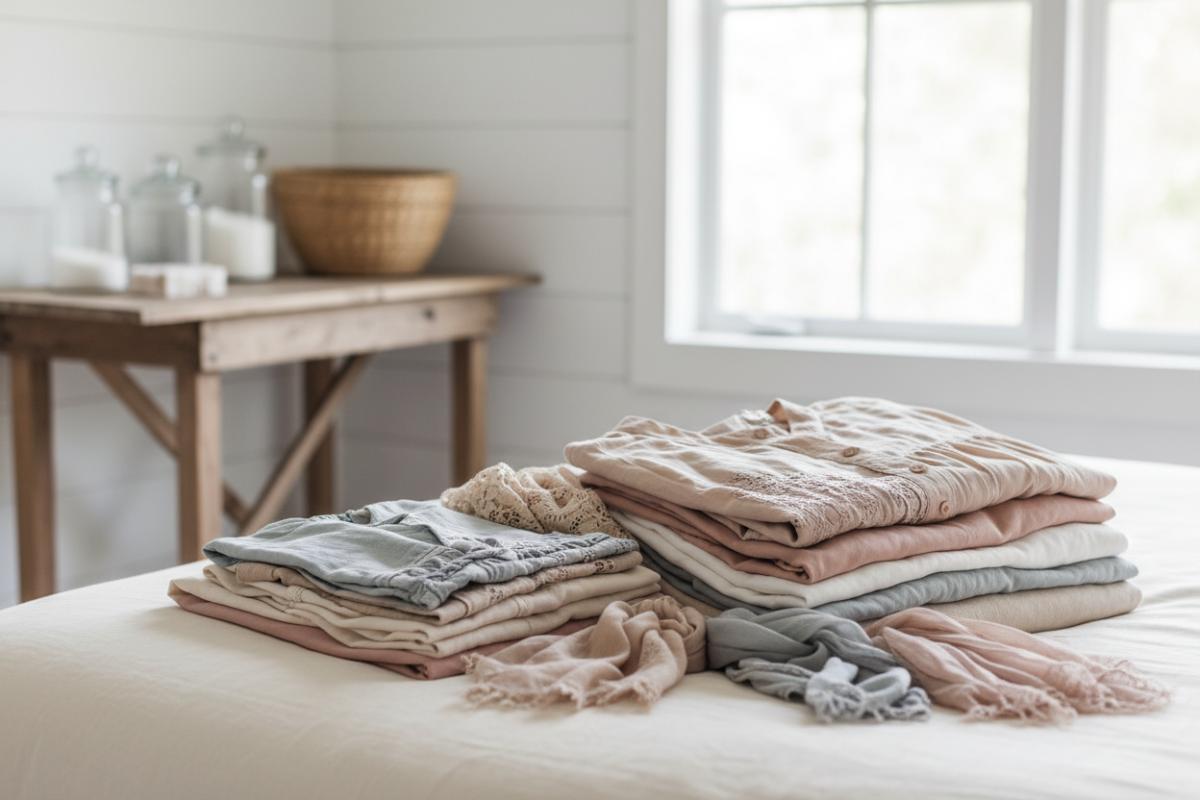
Not every item should be folded the same way.
Dresses, lightweight fabrics, and more delicate clothing need a gentler touch. These items usually do better when handled carefully and folded into a compact shape without rough creases.
A good method is:
- button or zip the item if needed
- lay it flat
- fold in sleeves or straps neatly
- fold into a compact square or rectangle
This helps reduce wrinkling and keeps delicate fabric from getting snagged or crushed.
The key here is not to force a hard shape onto soft fabric. The fold should support the garment, not fight it.
Try the Vertical Folding Method for Better Visibility
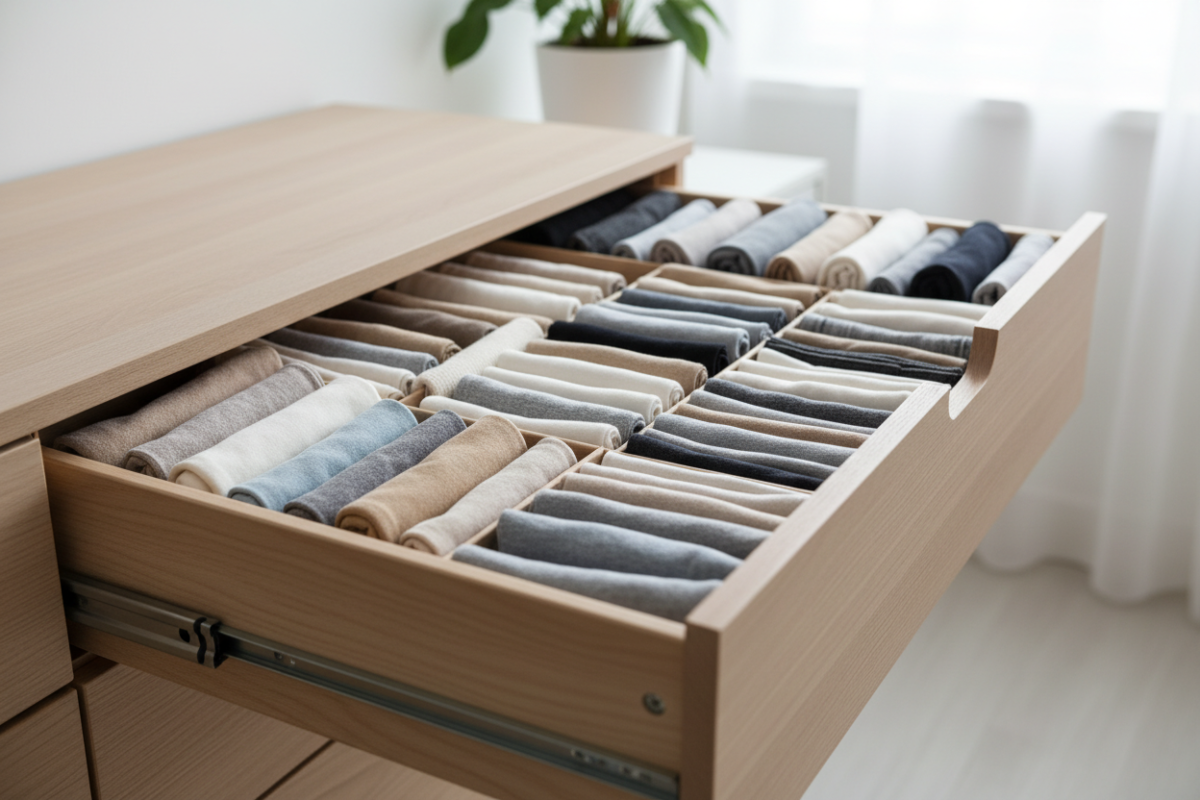
This is one of the most useful folding habits when you want drawers to feel more organized.
Instead of stacking clothes flat on top of each other, fold them so they can stand upright in the drawer.
That way, you can see everything at once instead of pulling items out from the bottom of a pile.
This method works especially well for:
- t-shirts
- leggings
- pajamas
- lightweight sweaters
- everyday basics
The advantage is simple. No more digging. No more collapsing stacks. No more forgetting about clothes sitting at the bottom of the drawer.
Once items are visible, getting dressed becomes faster and less annoying.
That is one of the biggest wins of smart folding. It changes how the space behaves.
Know What Should Be Hung Instead of Folded
Not everything belongs in a drawer.
Some clothes are easier to keep neat when they are hung up instead of folded. This is especially true for garments that wrinkle easily or hold their shape better on a hanger.
Good candidates for hanging include:
- button-down shirts
- dresses
- blazers
- delicate tops
- wrinkle-prone fabrics
Using the right hanger matters too. Slim, non-slip hangers help save space and keep items from sliding off.
The goal is to reduce extra work later. If hanging a garment keeps it neater and easier to wear, that is usually the better choice.
Folding is helpful. Hanging is helpful. The trick is knowing which one works best for each item.
Use Drawer Dividers to Keep Categories Separate
Even the best folding method can fall apart if the storage space is a mess.
That is where drawer dividers and bins come in.
If every kind of clothing has a designated zone, the drawer stays easier to manage. You do not end up with socks mixed into tees or pajamas mixed into workout clothes.
Simple storage tools can help with:
- separating categories
- keeping small items contained
- preventing clutter from spreading
- making everything easier to find
The most useful drawers are the ones that make sense the second you open them.
A good folding system works even better when the storage itself is organized.
Keep Accessories in Their Own Place
Scarves, belts, undergarments, ties, and other smaller items are easy to lose in a regular drawer.
They need a simple system of their own.
Small bins, trays, or labeled sections work well because they prevent tiny items from scattering everywhere. Once those items have a home, getting dressed becomes much smoother.
This is one of those changes that does not look dramatic, but it changes the feel of the whole closet or dresser.
Less searching. Less clutter. Less annoyance.
That is a good trade.
Fold Right After Laundry Is Dry
This sounds simple, but it changes everything.
If clean clothes sit in a basket for too long, they wrinkle, pile up, and become harder to deal with. Then the folding step starts feeling bigger than it really is.
Folding right after the clothes dry keeps the process moving.
It also prevents the mental buildup that happens when laundry lingers for days.
The easiest routine is usually the one that happens while the clothes are already in motion. Once they are dry, fold them before the pile turns into another problem.
That small bit of timing makes the whole routine smoother.
Make Folding Feel Less Like a Chore
The best routines are the ones you can actually repeat.
That means folding does not need to feel serious or intense. It just needs to feel manageable.
A few small habits help a lot:
- fold at the same time each week
- play music or a podcast while you do it
- set a timer and work in a short burst
- fold in batches so you are not starting over constantly
These tiny choices make the work feel lighter.
Laundry becomes easier when it has rhythm. It does not need to be exciting. It just needs to move along without draining all your energy.
Why Rolling Sometimes Works Better Than Folding
For travel or tight storage, rolling can be a useful option.
It is especially helpful for:
- t-shirts
- pajamas
- casual wear
- lightweight items that do not wrinkle easily
Rolling can save space and make packing cubes or drawers feel much more organized.
It is not the answer for everything, but it is a useful tool when you need to compress a lot into a small space.
The best systems usually combine a few different methods instead of forcing everything into one approach.
The Real Secret Is Consistency
The biggest difference usually comes from doing small things consistently.
A great fold done once does not matter much if the laundry pile goes untouched for two weeks. But a decent folding habit done regularly can completely change how the closet feels.
That is what makes these laundry folding hacks so practical.
They are easy enough to repeat. And when repeated, they make the whole routine feel more organized without requiring a huge effort.
That is the kind of system that lasts.
Final Thoughts
Laundry folding will probably never be the most exciting part of the week. But it does not have to feel chaotic either.
When clothes are folded with a little more intention, the whole process becomes easier to handle. Drawers stay neater. Storage works better. Clothes are easier to find. And the whole room feels more put together.
The most useful folding habits are usually the simplest ones:
- fold shirts into clean rectangles
- keep socks paired without stretching them
- fold jeans slim to save space
- hang what should not be folded
- use dividers to keep categories separate
- fold before the pile gets out of control
That is what turns laundry from a frustrating pile into a system that actually works.
Not perfect. Just better. And sometimes, better is exactly what makes the difference.