Table of Contents
When it comes to keeping your home comfortable and functional, few appliances are as essential as the ones that heat your water. However, there is a common misconception among homeowners that boilers and water heaters are the exact same appliance. While both involve heating water, their core functions, internal mechanisms, and purposes within your home are entirely distinct.
If you are building a new home, replacing old equipment, or simply trying to understand your home’s mechanical systems, understanding the boiler vs water heater debate is crucial. Choosing the wrong terminology can lead to confusion with HVAC contractors, and misunderstanding your system can result in poor maintenance. In this comprehensive guide, we will break down everything you need to know about boilers and water heaters, how they work, their pros and cons, and which one your home actually relies on.
What is a Boiler?
A boiler is a complex heating appliance designed primarily to provide space heating for your entire home. Despite the name “boiler,” most modern residential boilers do not actually boil water. Instead, they heat water to a high temperature (usually between 140 and 180 degrees Fahrenheit) and pump it throughout the house.
How Boilers Work
Boilers operate on a closed-loop system. This means the water inside the boiler is used continuously. The boiler heats the water and uses an electric pump to push it through a network of pipes. These pipes are connected to radiators, baseboard heaters, or radiant floor heating systems distributed across your home’s various rooms. As the hot water travels through these terminal units, it radiates heat into the living space. Once the water cools down, it returns to the boiler to be reheated and circulated all over again.
Because the water in a traditional boiler is strictly for space heating, it is not potable (drinkable). You cannot use the water from a standard boiler to take a shower or wash your dishes.
Different Types of Boilers
To fully understand the boiler side of the boiler vs water heater comparison, it helps to know the three main types of residential boilers:
- Conventional Boilers: Also known as standard or regular boilers, these systems require both a cold water storage tank and a hot water cylinder to operate. They are best suited for large homes with traditional radiator systems.
- System Boilers: These are similar to conventional boilers but feature built-in components like the circulating pump and expansion vessel, eliminating the need for a separate cold water tank.
- Combination (Combi) Boilers: Combi boilers are the exception to the rule. They are highly efficient units that provide both space heating for your radiators and domestic hot water for your taps, eliminating the need for a separate water heater.
What is a Water Heater?
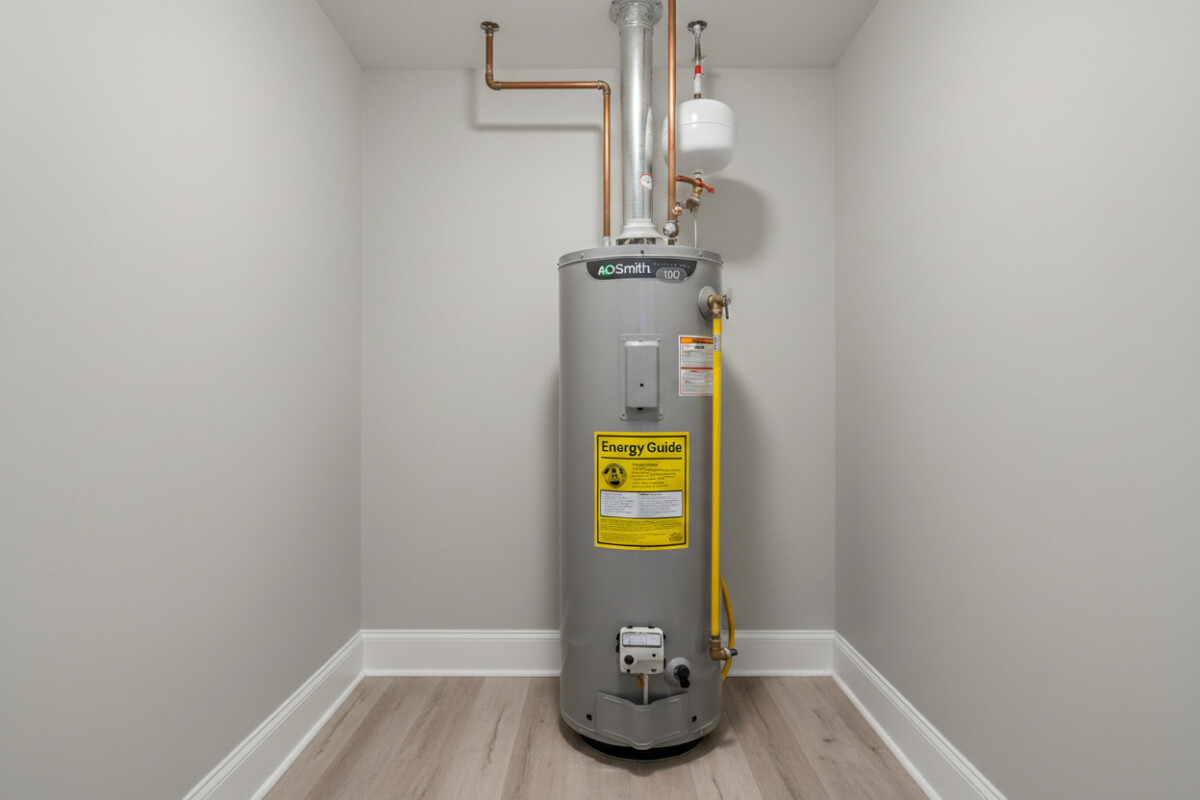
A water heater has a single, dedicated purpose: heating potable water for domestic use. When you turn on your shower, run your dishwasher, or wash your hands in the bathroom sink, you are relying on a water heater.
How Water Heaters Work
Unlike the closed-loop system of a boiler, a water heater operates on an open-loop system. Cold water from your city’s water supply or your private well enters the water heater. The appliance heats this water and sends it directly to your plumbing fixtures when you open a hot water tap. Once the water goes down the drain, it is gone. New cold water continually flows into the water heater to replace what you have used.
Different Types of Water Heaters
Water heaters come in several different configurations, depending on your energy source and household demand:
- Storage Tank Water Heaters: This is the most common type found in residential homes. It features a large insulated tank (typically holding between 30 and 80 gallons) that constantly heats and stores hot water so it is ready whenever you need it.
- Tankless (On-Demand) Water Heaters: These units do not store water. Instead, they use powerful gas burners or electric coils to instantly heat water exactly as it passes through the unit. This provides an endless supply of hot water and takes up much less space.
- Heat Pump Water Heaters: These highly efficient units capture heat from the surrounding air and transfer it to the water inside an enclosed tank, rather than generating heat directly.
- Solar Water Heaters: Using roof-mounted solar panels, these systems capture energy from the sun to warm the water, often backed up by a traditional gas or electric system for cloudy days.
The Main Differences in the Boiler vs Water Heater Comparison
Now that we have defined both appliances, let us look at the primary factors that separate them in the great boiler vs water heater comparison.
| Feature | Water Heater | Boiler |
| Primary Purpose | Domestic hot water (showers, sinks, appliances) | Space heating (warming the house) |
| Water Supply | Open system: Fresh water comes in, goes down the drain | Closed loop: The same water continuously circulates |
| Delivery Method | Plumbing pipes to faucets and fixtures | Pipes to radiators, baseboards, or radiant floors |
| Drinkable Water? | Yes, it handles potable water | No, the water is stale and often chemically treated |
| Energy Source | Gas, Electric, Propane, Solar, or Heat Pump | Gas, Oil, Electric, or Wood pellets |
| Average Lifespan | 8 to 12 years (up to 20 for tankless) | 15 to 30 years |
| Upfront Cost | Lower cost ($600–$3,500) | Higher cost ($4,000–$10,000) |
| Maintenance | Annual flushing to remove sediment | Annual inspection; bleeding radiators |
1. Primary Function and Purpose
The most significant difference lies in their end goal. A boiler is essentially an HVAC (Heating, Ventilation, and Air Conditioning) component. Its main job is to keep your house warm during the cold winter months. A water heater is a plumbing component. Its sole job is to provide hot water for cleaning, cooking, and bathing.
2. The Type of Water Used
As mentioned earlier, standard boilers use non-potable water in a sealed, closed-loop system. The water inside a boiler is often treated with chemicals to prevent pipe corrosion and freezing, meaning it is entirely unsafe for human consumption. A water heater, conversely, uses fresh, clean, potable water that is safe to drink, cook with, and bathe in.
3. Energy Efficiency and Operating Costs
Both boilers and water heaters can run on natural gas, electricity, propane, or heating oil. However, because a boiler is tasked with heating the entire square footage of a home, it naturally consumes significantly more energy than a water heater. Upgrading to a high-efficiency boiler can drastically reduce your winter heating bills, whereas upgrading your water heater will lower your year-round utility costs by a smaller, though still noticeable, margin.
4. Upfront Costs and Installation
If you are looking at the price tag in a boiler vs water heater matchup, water heaters are much more budget-friendly. A standard tank water heater can cost anywhere from $600 to $2,500, including installation. A tankless water heater might range from $1,500 to $3,500.
Boilers, on the other hand, are heavy-duty, complex pieces of machinery. Installing or replacing a residential boiler can easily cost between $4,000 and $10,000, depending on the size of the unit, the type of fuel it uses, and the complexity of the radiant heating network it connects to.
5. Maintenance Requirements and Lifespan
Because boilers are so robust and operate in a closed-loop system (meaning less introduction of fresh minerals and sediment), they tend to last much longer. A well-maintained boiler can easily last 15 to 30 years. Maintenance usually involves checking pressure valves, bleeding radiators, and an annual inspection by an HVAC technician.
Water heaters have a shorter lifespan, typically lasting between 8 and 12 years (though tankless models can last up to 20 years). Because they constantly heat fresh, hard water, they are highly susceptible to sediment and mineral buildup. To get the most out of a water heater, it must be flushed annually to remove this corrosive sediment.
Can a Boiler Replace a Water Heater?
One of the most common questions homeowners ask when researching a boiler vs water heater is whether they need both. The answer depends entirely on your home’s setup.
If your home relies on forced-air heating (a furnace blowing hot air through vents), you absolutely need a separate water heater for your taps. A furnace cannot heat water.
However, if your home relies on a boiler for radiant space heating, you can potentially combine your systems. There are two primary ways to do this:
- Indirect Water Heaters: You can install an indirect water heater tank alongside your boiler. The boiler sends its hot (non-potable) water through a heat exchanger coil inside the tank, which in turn heats up the fresh, potable water stored for your showers and sinks.
- Combi Boilers: As previously mentioned, a combi boiler handles both tasks in one compact unit, instantaneously heating potable water for your taps while simultaneously running a closed-loop system for your radiators.
Which System is Right for Your Home?
Ultimately, you rarely have to make a direct choice between a boiler and a water heater, because they serve different purposes. You will always need a way to heat your domestic water (a water heater or a combi-boiler), but you only need a boiler if your home was built with radiant heating, baseboards, or radiators.
When deciding on upgrades or replacements, look at your home’s existing infrastructure. If you already have a network of hot water pipes running under your floors or through radiators, investing in a high-efficiency condensing boiler is the right move. If you use a forced-air furnace or a heat pump for climate control, then you only need to concern yourself with selecting the best traditional or tankless water heater for your budget and family size.
Conclusion
The great boiler vs water heater mix-up is easy to understand—they are both large metal appliances sitting in your basement that deal with hot water. However, remembering that boilers heat your house while water heaters heat your taps will save you time, money, and frustration when communicating with repair professionals. By understanding the distinct roles, maintenance needs, and life expectancies of each system, you can ensure your home stays comfortably warm and your showers stay reliably hot for years to come.