Table of Contents
When the plow hasn’t come and the air is a slap-in-the-face cold, your fireplace ash can moonlight as a practical, low-cost ice-management tool. It won’t chemically melt an entire parking lot overnight, but spread the right way, fireplace ash improves traction, helps thin surface ice in sunlit spots, and keeps pets’ paws and concrete friendlier than many commercial salts.
What fireplace ash actually does on ice
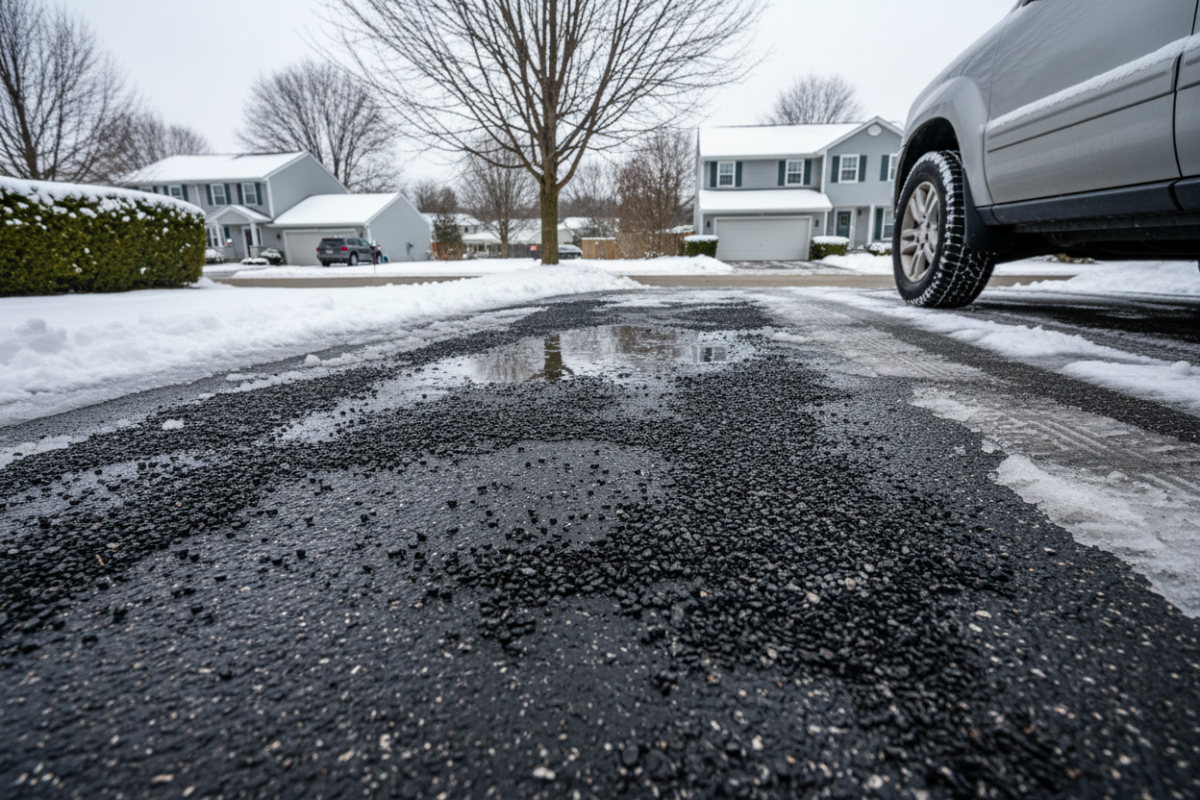
Fireplace ash is mostly fine, dark powder made from burned wood. It doesn’t work like rock salt (it won’t lower water’s freezing point much), but it helps in two useful ways: the grit gives traction so feet and tires don’t slip, and the dark color absorbs sunlight and speeds surface melting where the sun can reach. For light ice, thin patches, or creating a safer path to your door, ash can be surprisingly effective.
When to reach for ash — and when not to
Use ash for:
- Short, sun-exposed walkways and steps with thin ice or compacted snow.
- Spot treatments to create traction when you don’t have sand or ice melt handy.
- Situations where pet- or plant-safe grit is preferred over salts.
Avoid ash when:
- You’re dealing with thick ice or heavy, ongoing snowfall — it’s too slow and won’t replace de-icers for those jobs.
- The ash comes from treated wood, charcoal briquettes, or coal — those can contain harmful residues.
Prep first: make sure the ash is safe to use
- Only use completely cooled, sifted ash from untreated, natural wood (no painted/treated lumber, glossy paper, or coal/charcoal briquettes). Treated fuels can carry chemicals and heavy metals.
- Wear gloves and a dust mask if you’re handling a lot of ash — fine ash is dusty and can irritate eyes or lungs.
- Store ash in a closed metal container until use, and make sure it’s fully cold to avoid accidental rekindling.
Step-by-step: how to spread ash for traction and melting
- Sweep or shovel away any loose snow first — ash works best on bare ice or thin patches.
- Lightly sprinkle a thin, even dusting of sifted ash across the icy area; you want grit, not a sludge. For narrow walkways, aim for a dusting just enough to cover the slick spots.
- For larger or icier patches, mix ash with coarse sand or non-clumping kitty litter (50/50) — sand gives immediate bite while ash adds sunlight absorption.
- After the sun does its bit, sweep up excess grit to avoid tracking it into the house and to prevent undue buildup on nearby soil.
Tips for best performance
- Use ash on south- or west-facing paths where sunlight will help; on shaded north-facing spots it’ll mostly add traction, not melt.
- Don’t overapply — a little goes a long way. Heavy layering can cake into a messy, slippery paste when it gets wet.
- Combine ash with a small amount of conventional de-icer only when necessary (and avoid mixing with products that contain urea or excessive chlorides if you care about plants and pets).
Environmental and garden considerations
Wood ash is alkaline and contains nutrients (potassium, calcium and trace minerals), so if it drifts or is repeatedly applied near lawns, beds or waterways it can alter soil pH and nutrient loads. Only use ash from clean, untreated wood and avoid repeated heavy applications in the same spot; when used sparingly and responsibly it’s far gentler on plants and waterways than road salts. If you plan to reuse ash in your garden later, do a soil test first and limit yearly applications.
Surface and material safety: concrete, metal, and pets
- Concrete: ash is far less corrosive than many salts, so it’s generally safer for sidewalks, steps and driveways than sodium chloride blends. That said, excessive buildup of any material should be cleaned up when conditions allow.
- Metal (handrails, gutters): ash won’t cause the same corrosion salts do, but keep gutters and drains clear of ash piles to prevent clogs.
- Pets: wood ash is more pet-friendly than many ice-melt chemicals, but fine ash can irritate paws or eyes if in large amounts — brush paws after walks and avoid using ash where animals might roll or dig. For pet safety, prefer coarse grit mixes (ash + sand) and keep quantities moderate.
Quick troubleshooting
- If ash is clumping and leaving a gritty sludge: you used too much or it mixed with melting snow. Shovel or sweep to remove and reapply a lighter dusting.
- If traction is still poor: mix in more sand or kitty litter rather than piling on ash alone.
- If ash blows away: apply when wind is calm, or use the sand-ash mix which is heavier.
A note from the science folks
Laboratory and field observations suggest wood ash can meaningfully increase the “angle of repose” (a technical way to say “how well granulated ice holds up without sliding”) under certain temperatures — that aligns with why ash improves traction and can speed surface melt in milder conditions. But remember: this is not a chemical de-icer, it’s a mechanical and thermal aid best used for spot treatments.
Clean-up and storage after the thaw
- Sweep up excess ash and dispose of small amounts in the trash or add to compost (in moderation) if it’s from clean wood.
- Store remaining cold ash in a sealed metal container away from combustibles and moisture. Don’t store in plastic bags that might hold heat and re-ignite.
Alternatives and combos
- Sand or non-clumping kitty litter: best for instant traction and easy cleanup.
- Commercial ice melts: faster and chemically active, but can harm concrete, plants and paws. Use sparingly and according to product directions.
- Ash + sand: the sweet spot for homeowners who have ash on hand — traction + some melting help in sun-exposed areas.
Final takeaway
If you have a fireplace and a small patch of icy walkway, learning how to use fireplace ash to melt ice gives you a cheap, low-impact tool in your winter toolbox. It’s not a substitute for commercial de-icers on heavy ice, but for spot treatments and improving traction it’s effective, eco-friendlier than many salts, and pet- and pavement-friendlier when used correctly.
Remember: only use ash from clean, untreated wood, apply sparingly, and sweep excess when the thaw comes.