Table of Contents
Winter has a way of turning ordinary routines into small battles.
A front step that was fine yesterday becomes a slick patch of trouble overnight. The driveway gets a thin glaze of ice that looks harmless until you step on it. The walkway to the mailbox suddenly feels like a test of balance. And every year, right around the time you think you have everything under control, the cold comes in and reminds you who is really in charge.
That is usually when people start reaching for whatever works fast.
Salt. Sand. Store-bought de-icers. Anything that can make the ice disappear before somebody slips.
But there is one old-fashioned method that still deserves attention, especially if you already have a fireplace at home:
fireplace ash.
It is one of those solutions that sounds almost too simple to be useful. Ash? Really? The stuff left over after a fire?
Yes. That stuff.
And when used the right way, fireplace ash can be a surprisingly practical winter tool. It will not melt ice the way a chemical de-icer does, and it is not a magic fix for a thick ice sheet. But for light ice, slick patches, and the kind of slippery spots that appear overnight, it can help a lot.
More importantly, it gives you another option when you want something low-cost, easy to reach, and less harsh than some commercial products.
The trick is understanding what ash can do, where it works best, and where it should never be relied on.
Why Fireplace Ash Can Help with Ice
The reason fireplace ash works is simple.
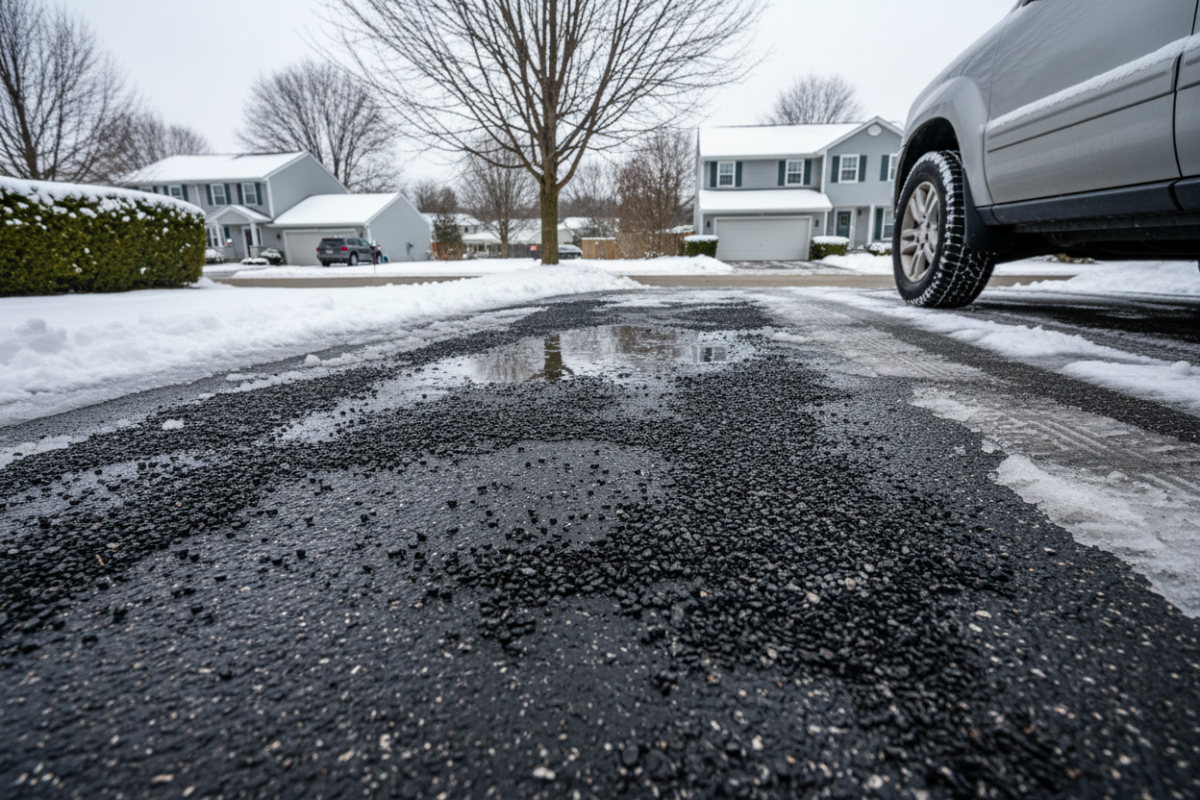
Ash is dark, fine, and gritty. Dark surfaces absorb more sunlight and heat than light ones. That means ash can help warm icy spots a little faster when the sun is out. It also creates a rough texture, which improves traction underfoot.
That second part matters just as much as the first.
Even if ash does not fully melt the ice immediately, it can help you avoid slipping by giving shoes and tires more grip. In many winter situations, traction is the real goal.
So when people talk about using fireplace ash to melt ice, what they often mean in practical terms is this:
ash helps break up the problem enough to make the surface safer and more manageable.
That is a useful distinction.
It is not trying to replace everything else. It is just doing a very specific job.
What Fireplace Ash Is Best For
Fireplace ash is most helpful on:
- light icy patches
- thin frost
- slippery steps
- short walkways
- driveway areas that need more traction
It works best when the ice is not extremely thick and when you are trying to make the surface safer quickly.
If the area has a heavy ice buildup, frozen puddles, or a serious layer of compacted ice, ash alone will not be enough. In those cases, it can still help a little, but it is not the main solution.
That is the biggest thing to remember.
Ash is best for prevention, traction, and light improvement. It is not a full replacement for major ice removal.
The Type of Ash Matters
Not every kind of ash is the same.
If you want to use fireplace ash around your home, it should come from clean, untreated wood. That means no painted wood, no chemically treated lumber, and no trash burned in the fire. You want ash that is dry and free from questionable materials.
That matters because the point is to make things safer, not create a new problem in the yard or on the walkway.
A good rule is simple:
if the fire source was clean, the ash is much more likely to be useful.
You also want ash that is fully cooled before you handle it. That part seems obvious, but it matters more than people think. Ash can hold heat longer than it looks like it should.
The Biggest Mistake People Make
The most common mistake is using too much.
A thick layer of ash is not better. In fact, it can get messy fast. It can blow around, get tracked indoors, dirty shoes, stain light surfaces, and create a gray film on areas you probably did not want to clean again.
The goal is not to cover everything in ash like a snowstorm of soot.
The goal is to use a light, even layer in places where traction matters.
That is enough to make the surface less slick without turning your entryway into a cleanup job.
Where Fireplace Ash Works Well
Ash tends to work best on surfaces like:
- concrete
- stone
- brick
- outdoor steps
- walkways
- driveways
It is especially useful in areas where a little extra grip makes a big difference.
If your front steps freeze every night, ash can help reduce the risk of slipping when you leave in the morning. If the driveway has a thin layer of frost, ash can make the surface less smooth and more walkable.
That said, it works best when the area is relatively still and the ash stays in place.
If you have strong wind, heavy traffic, or rain that quickly washes things away, the effect will not last very long.
Where You Should Be More Careful
There are also places where ash is not ideal.
For example:
- inside the house
- on polished floors
- on light-colored surfaces you care about keeping clean
- near drains or sensitive landscaping
- on windy walkways where it blows everywhere
Ash is messy by nature. It is not a product made to disappear once you put it down.
So if you use it in a place where cleanup matters more than traction, it can become annoying fast.
That is why it works best outside, on practical surfaces, where a little dirt is acceptable in exchange for safer footing.
The Right Way to Apply It
Using fireplace ash is straightforward, but a few small habits make it work better.
First, make sure the ash is fully cool. Then gather only what you need. A small container or scoop is usually enough.
Apply it in a light, even layer over the icy patch or slippery surface. Do not dump it in one heavy pile. Spread it so the surface gets a dusting rather than a thick coating.
You want enough to:
- create traction
- darken the surface
- help the sun warm it slightly
But not so much that it becomes difficult to walk through or hard to clean later.
If the area is still icy after a while, you can add a little more. But start small.
That is usually the smarter move.
Why It Feels Better Than Some Other Options
One reason people keep returning to fireplace ash is that it feels practical in a very low-key way.
You already have it if you have a fireplace. It costs nothing extra. It does not involve running to the store in a storm. And for small areas, it can get the job done well enough to matter.
There is something satisfying about that.
Winter often makes people feel like they need to buy their way out of every problem. But sometimes the useful answer is already sitting in the fireplace bucket.
Ash is one of those solutions.
Simple. Old. Quietly useful.
It Is More About Traction Than Drama
A lot of winter safety advice gets framed like a dramatic rescue.
But in real life, the best solutions are usually the ones that make a place less risky in a practical way.
That is what ash does.
It gives your shoes a better chance of gripping the ground. It makes the ice less slick. It helps create a safer walking surface without requiring a full cleanup operation every time.
That can make a real difference in the morning when the light is bad, the air is cold, and nobody wants to be outside longer than necessary.
Does Fireplace Ash Actually Melt Ice?
Sometimes, yes. But not in the way people imagine.
Ash can help accelerate melting a little because of its dark color and the way it absorbs heat. But if you are expecting the ice to vanish quickly just because you sprinkled ash on it, that is too optimistic.
Think of it this way:
- salt changes the freezing point and helps break ice down chemically
- ash helps more with traction and slight warming
- sunlight does part of the work when conditions are right
So ash can support melting, but it is not a powerhouse de-icer.
That is why it is best seen as a smart helper, not a full ice removal solution.
What I Would Use It For Personally
If the ice is thin and I just need to make steps safer, ash makes sense.
If I am dealing with a small frozen patch near the door, ash can be enough to keep someone from slipping.
If there is a little frost on the walkway and I need a quick fix before people leave the house, ash is one of those easy tools that can help right away.
But if the driveway is a thick sheet of ice, I would not pretend ash is the answer on its own.
That kind of honesty matters.
Because the goal is not to make the hack sound better than it is. The goal is to use it where it truly makes sense.
Cleanup Is Part of the Trade-Off
This is the part most people forget.
Ash is useful, but it is still ash.
That means cleanup matters.
Once the ice is gone or the weather improves, you may want to sweep up the leftover ash so it does not get tracked everywhere. If you leave it too long, it can make surfaces look dirty and create a fine mess at the entryway.
So the trade-off is simple:
better grip now, a little cleanup later.
For a lot of people, that is worth it.
Why This Hack Still Feels Relevant
There is something timeless about using what you already have.
Fireplace ash fits that idea perfectly. It is not flashy. It is not complicated. It does not require a special product or a special trip. It is just a practical winter habit that has been around for a long time because it makes sense.
And sometimes that is enough.
Not every solution needs to be modern to be useful.
Safety Notes That Matter
A few simple cautions make this method much better:
- only use cool ash
- only use ash from clean, untreated wood
- do not use a thick layer
- do not rely on it for severe ice
- avoid using it where cleanup would be a bigger problem than the ice itself
Those points are small, but they keep the method in the “smart hack” category instead of the “messy experiment” category.
When Not to Use Ash
There are a few situations where I would skip it.
I would not use ash if:
- the surface is already heavily iced over
- wind will blow it everywhere
- the area is indoors or near delicate flooring
- I need a completely clean finish
- the ash source is questionable
In those cases, another method makes more sense.
That is part of using any winter hack wisely.
The best shortcut is the one used in the right situation.
A Simple Winter Routine That Works
If ash is part of your winter routine, it can be paired with a few other good habits:
- clear light snow first if needed
- check steps and walkways in the morning
- use ash only on slick spots
- keep a broom nearby for cleanup later
- reapply lightly if conditions remain icy
That kind of routine is enough for many homes.
You do not need to turn winter prep into a project. You just need a few dependable habits that make the space safer.
The Bigger Lesson Here
What I like about this hack is that it shows how winter problems are often more manageable than they seem.
You do not always need a big fix.
Sometimes you just need a smart one.
Fireplace ash is a good example of that. It is simple, local, low-cost, and practical. It does not solve every ice problem, but it can absolutely help in the right conditions.
And in winter, that kind of help matters.
Because safe steps, better grip, and a little less slipping are not small things when the ground is frozen.
Final Thoughts
Fireplace ash can be a safe, smart winter hack when you use it the right way.
It is best for light ice, slick steps, and places where extra traction matters. It can help darken the surface, improve grip, and slightly support melting in the sun. But it is not a miracle cure, and it is not meant to replace stronger methods for serious ice buildup.
The real value of this trick is in its simplicity.
If you already have ash, you already have a tool.
And on a cold morning when everything feels slippery and inconvenient, that can be enough to make the day a little easier and a lot safer.