Table of Contents
Bleach has a certain reputation.
The minute someone says “just use bleach,” it sounds like the fastest path to a cleaner, safer bathroom. It feels strong. Reliable. Almost old-fashioned in the best possible way. For a long time, that was enough to make it the default answer in my head.
Bathroom smell weird? Bleach.
Toilet looks stained? Bleach.
Shower corners look dingy? Bleach.
It seemed simple.
But bathrooms are a little more complicated than that. They are damp, enclosed spaces with a lot of different surfaces, and not every surface reacts to bleach the same way. Some handle it fine. Some do not. Some look better for a day and then get worse later. And some can be damaged by bleach in ways that are easy to miss until it is too late.
That is when I stopped thinking about bleach as a universal bathroom fix and started treating it like what it really is: a powerful chemical tool that has a place, but not for everything. The difference matters more than most people realize. Bleach can disinfect and whiten non-porous surfaces well, but it can also irritate lungs, damage grout and sealants, and create dangerous gases if mixed with other cleaners.
Once I understood that balance, bathroom cleaning got a lot smarter and a lot less risky.
Why Bleach Feels So Effective
Bleach works by oxidation. In plain language, it breaks down organic matter and helps destroy germs while also whitening stains. That is why it has such a strong reputation in bathrooms, where bacteria, mildew, and stains can build up fast.
And to be fair, that reputation is not random.
On glossy porcelain, glass, and sealed tile, bleach can be very effective. It can make a toilet bowl look brighter. It can make a stained sink look cleaner. It can wipe away some of the surface-level dark spotting that people associate with mold and mildew. The problem is that bleach’s strength is also what makes it tricky. It does not politely discriminate between “dirty” and “material I should protect.” It reacts aggressively, and that can be useful only when you understand exactly what you are using it on.
That is the part many people skip over.
Where Bleach Actually Helps
There are places in a bathroom where bleach does make sense.
A toilet bowl is one of them, especially when the goal is disinfection and whitening. A glazed porcelain sink is another. Glass shower doors, non-porous tile, and other hard surfaces can often tolerate diluted bleach if it is used properly and rinsed well. The article’s guidance is clear that bleach is strongest on non-porous surfaces, where it can disinfect and remove visible discoloration more effectively.
That is the key phrase: non-porous surfaces.
If the surface does not absorb liquid easily, bleach has a better chance of doing its job without becoming a long-term problem. That is why some of the most common bleach use cases in bathrooms are also the most controlled. It is not about flooding the whole room. It is about targeted use in a place where the material can handle it.
That distinction changed how I think about cleaning. A product can be useful and still not be the right answer for every corner of the room.
The Hidden Downsides Nobody Notices Until Later
The biggest issue with bleach in the bathroom is not just the smell.
It is everything else that comes with it.
Bathrooms are often small and poorly ventilated. That means fumes can build up quickly, and bleach fumes can irritate the eyes, nose, throat, and lungs. For people with asthma or breathing sensitivity, that matters even more. The source specifically warns that using bleach in a confined bathroom without good airflow can create real respiratory discomfort.
Then there is the material damage.
Bleach can slowly wear down grout and deteriorate silicone caulk. Grout is porous, so even if bleach makes it look bright on the surface, repeated use can weaken it over time. Caulk is another weak point, because if it breaks down, water can get behind walls and cause bigger problems later. That part is easy to ignore when the bathroom looks sparkling right after cleaning, but the long-term cost can be real.
That was the moment I realized a bathroom can look clean and still be quietly getting damaged.
Why Bleach and Mold Are More Complicated Than They Seem
This is where the subject gets especially misunderstood.
A lot of people reach for bleach when they see mold. And on the surface, that seems logical. Mold is a dirty-looking problem, bleach kills germs, so why not use it?
Because mold is not always just a surface problem.
On porous materials like drywall, wood, and unsealed grout, bleach does not fully penetrate to the roots. It can whiten the visible stain, which makes the mold look gone, but the underlying growth can remain and come back later. The article explains that this can even make it look like the mold is solved when it really is not.
That is one of the most useful things to understand about bleach in the bathroom. Sometimes it gives the appearance of a fix without truly resolving the issue. And in cleaning, appearance can be dangerously convincing.
The Most Important Safety Rule: Never Mix Bleach
If there is one thing I would want someone to remember before touching bleach, it is this:
never mix bleach with other cleaners.
Bleach mixed with ammonia can create toxic chloramine gas. Bleach mixed with acidic products such as vinegar, toilet bowl cleaners, or rust removers can create chlorine gas. Even small leftover traces in a toilet bowl can be enough to cause a dangerous reaction if bleach is added afterward.
That is not a minor caution. That is the line that turns a cleaning product into a health hazard.
The more I learned about bathroom cleaning, the more I realized that a lot of risk comes from assuming products are interchangeable. They are not. “Stronger” does not mean “safer,” and “cleaner-looking” does not mean “better.”
Ventilation Changes Everything
If bleach is going to be used at all, ventilation is not optional.
Opening windows, turning on the exhaust fan, and creating airflow out of the room are essential. The source recommends maximizing ventilation before opening bleach at all and even placing a fan to push fumes outward. That advice makes sense because bathrooms trap air so easily.
I used to think ventilation was just a comfort thing. It is not. It is part of the safety system.
A bathroom with poor airflow can turn even a diluted bleach job into a much harsher experience than expected. Strong smell, irritated eyes, and lingering fumes are all signs that the room is not handling the product well. Good airflow makes the process less intense and lowers the risk of breathing issues.
Why Dilution Matters So Much
Another lesson that sounds simple but matters a lot: bleach should almost never be used straight.
The article gives a specific guideline from the CDC: mix about one-third cup of bleach per gallon of room-temperature water. It also warns not to mix bleach with hot water because that can release toxic chlorine gas.
That one detail changed how I think about cleaning solutions.
The instinct is often to make a product more concentrated when the job feels difficult. But with bleach, more is not better. More can mean harsher fumes, more damage, and more risk without necessarily improving the result.
A diluted solution is enough for the job when the job is actually appropriate for bleach in the first place.
Protective Gear Is Not Overkill
Gloves are not being dramatic. Goggles are not being paranoid.
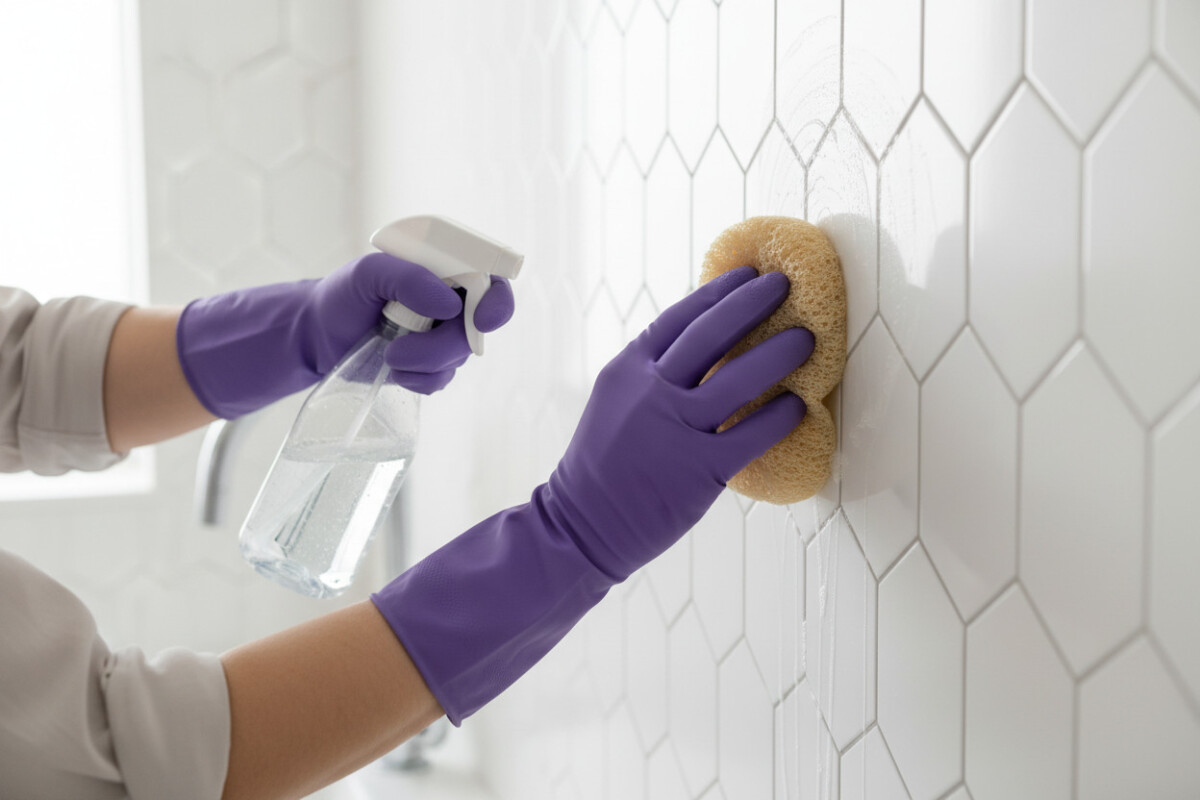
Bleach is corrosive enough to burn skin and irritate eyes if it splashes. The source recommends thick rubber gloves, eye protection, and clothes you do not mind ruining. That sounds obvious when you say it out loud, but it is easy to skip in the middle of a quick cleaning task.
That is exactly when people get careless.
The danger is not usually in the big dramatic moment. It is in the small routine task where someone thinks, “I only need to do this quickly.” That is when a splash, a fume, or an accidental mix-up can happen.
Why Dwell Time Matters
Bleach needs time to work.
You cannot spray it on and immediately wipe it off if the goal is disinfection. The article notes that bleach needs dwell time, around five to ten minutes on the surface before rinsing thoroughly.
That detail matters because it changes how people use the product.
If you remove it too quickly, you may not get the disinfecting effect you wanted. If you leave it on too long, especially on the wrong material, you can increase the chance of damage.
So the real skill is not just applying bleach. It is using it with timing and restraint.
Rinsing Is Not Optional
This one is easy to underestimate.
After bleach sits long enough to do its job, it needs to be rinsed thoroughly. Leaving residue behind can keep damaging the surface and may also create a risk for anyone touching it later.
That means the job is not done when the surface looks brighter.
It is done when the cleaner is removed properly.
That small distinction made the whole process feel more professional to me. Cleaning is not just about what gets applied. It is about what gets left behind.
The Case for Alternatives
The more I looked at bleach, the more I understood why people prefer alternatives for regular bathroom cleaning.
The source mentions several: white vinegar and baking soda, hydrogen peroxide, and Castile soap with essential oils for routine upkeep. Each has a different strength. Vinegar can help with hard water stains and soap scum. Baking soda adds gentle scrubbing. Hydrogen peroxide can disinfect and whiten without the same fumes. Castile soap works well for normal maintenance.
That does not mean bleach becomes useless.
It means bleach stops being the first answer for everything.
For routine cleaning, gentler options are often enough and easier to live with over time. They are less harsh on the room, less unpleasant to breathe, and less likely to damage the surfaces you are trying to protect.
Why Hydrogen Peroxide Is So Useful
Hydrogen peroxide deserves special mention because it often feels like the middle path.
It can be a powerful disinfectant, but without the same strong bleach fumes. The source describes it as breaking down into water and oxygen, which is part of why it is appealing as a cleaning option. It bubbles when it contacts organic matter and can help lift stains from grout and other areas.
That is the kind of cleaner that fits better into regular bathroom maintenance for a lot of homes.
Not because it is magical. But because it is strong enough to be useful without turning the whole room into a chemistry warning label.
What I Think Bleach Is Best For Now
After understanding the benefits and the risks, my view is much narrower than it used to be.
Bleach is best used sparingly, in targeted situations, on non-porous surfaces, with good ventilation, proper dilution, and full awareness of what else is in the room. It is not my first choice for routine cleaning, and it is definitely not something I want drifting into grout, caulk, or unknown chemical residue.
That is the honest middle ground.
Bleach is useful. It is just not casual.
A Better Way to Think About Bathroom Cleaning
The old mindset was simple: use the strongest product to solve the problem.
The better mindset is different:
use the safest effective product for the surface and the situation.
That means sometimes bleach has a role.
Sometimes hydrogen peroxide is better.
Sometimes vinegar and baking soda are enough.
Sometimes the job is more about ventilation, wiping, and preventing buildup than it is about “killing” anything at all.
That shift made bathroom cleaning feel much less reactive and much more intentional.
Final Thoughts
Bleach in the bathroom is not automatically good or bad.
It depends on the surface, the ventilation, the dilution, the timing, and whether you are using it for the right kind of job. On non-porous surfaces, it can disinfect and whiten well. But it also brings fumes, material damage, and serious safety risks if mixed with other cleaners or used carelessly.
For me, the biggest lesson was this:
strongest does not always mean smartest.
A bathroom stays cleaner longer when the cleaning method matches the material, the mess, and the real need. Bleach still has a place. It just has to be the right place.
And once you start thinking that way, bathroom cleaning becomes safer, calmer, and a lot more effective.