Table of Contents
Winter changes the mood of a house in a way no other season does.
The light gets softer. The air gets drier. The rooms feel quieter. Suddenly, home is not just where you live — it is where you try to stay warm without watching the heating bill climb every week.
That is the tricky part.
A cozy winter home is not about making everything blazing hot. It is about creating a space that feels comfortable, steady, and calm without wasting energy everywhere you turn. And once you start paying attention, you realize that a lot of winter comfort comes from small habits, not dramatic changes.
That was the big shift for me.
Not “heat more.” Not “buy more stuff.” Just better habits.
And the funny thing is, the better the habits get, the less you think about them. The house starts holding warmth instead of leaking it away. The rooms feel less drafty. The thermostat does not have to work so hard. The whole place starts to feel easier to live in.
That is what this is really about.
1. Start With the Thermostat, Not the Mood
The thermostat is usually the first place people look when the house feels cold, but it is also the easiest place to overdo it.
A good winter habit is to keep the temperature as low as feels comfortable when you are home and awake, then lower it a bit more when you are asleep or away. The U.S. Department of Energy says many households can save on heating and cooling by setting the thermostat around 68°F to 70°F while awake and turning it down at other times. It also notes that lowering the thermostat when you are asleep or out can save as much as 10% a year on heating and cooling bills.
That does not mean you have to sit there shivering.
It means finding the lowest comfortable setting and letting the house work with you instead of against you.
What helped me most was stopping the habit of constantly nudging the heat upward every time I felt a little chill. In winter, comfort often comes from steady temperatures, not from chasing perfection every ten minutes. Once you stop making tiny panic adjustments, the whole home feels calmer.
2. Close Up the Little Leaks Before They Drain the Room
One of the most underrated winter habits is sealing the places where warm air slips out.
Windows and doors are the usual suspects, especially if you can feel a faint draft or notice a colder patch near the frame. ENERGY STAR recommends checking for air leakage around windows and doors and using caulk or weather-stripping to stop the leaks. It also suggests using drapes to help with comfort during cold weather.
This is one of those jobs that sounds small but changes the feel of a room right away.
A drafty room never feels truly cozy, no matter how high the heat is set. It is like trying to fill a bucket with a hole in it. You can keep adding warmth, but if the edges are leaking, it never feels efficient. Sealing those gaps makes the whole house feel more stable.
I like to think of it as protecting the warmth you already paid for.
3. Use Curtains Like a Winter Tool, Not Just Decor
Curtains are not just for privacy or style in winter.
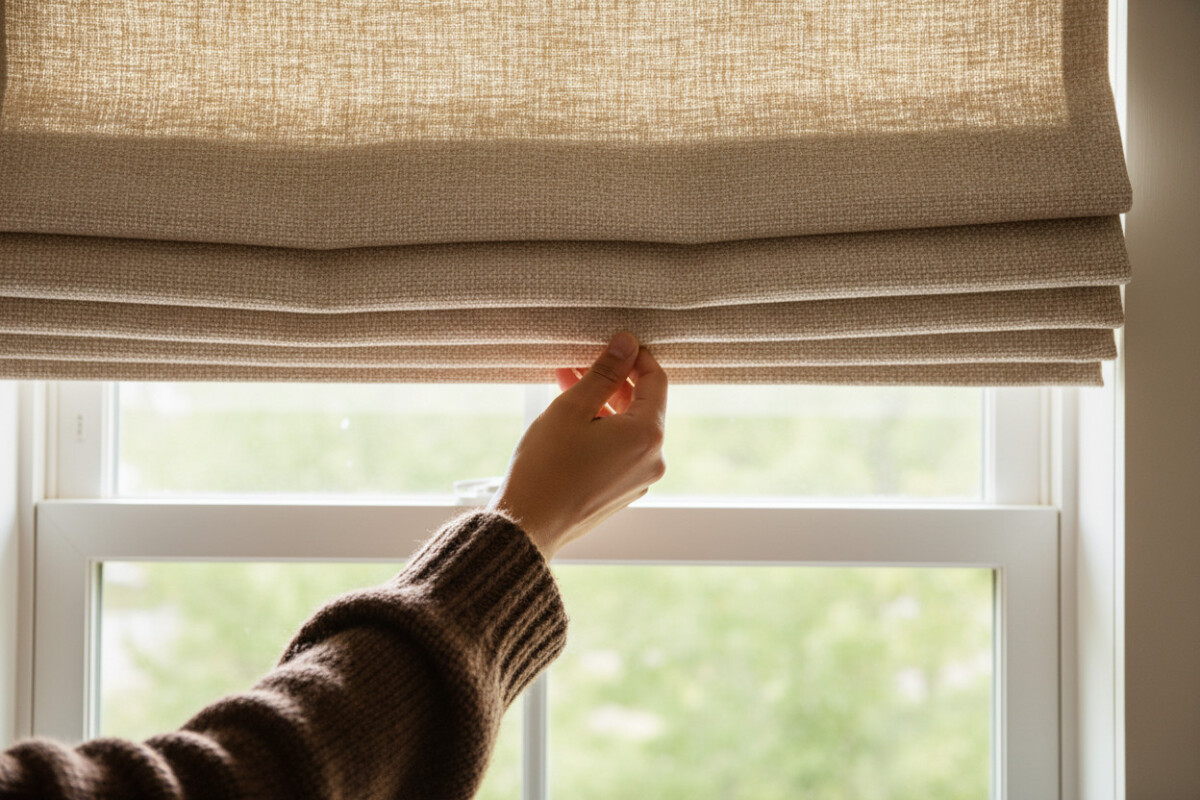
They can actually help manage warmth in a very simple way. During the day, especially on sunny windows, opening drapes can let in free warmth. At night, closing them helps reduce the chill coming from the glass. ENERGY STAR specifically recommends using drapes to stay more comfortable and keeping them open on south-facing windows during daylight hours in cold weather.
That tiny habit matters more than most people realize.
A room with bare windows can lose a surprising amount of comfort. A room with curtains, on the other hand, feels more settled. The fabric softens the space visually and physically. It is one of the easiest ways to make winter feel less harsh without touching the thermostat.
And because it is so simple, it is easy to keep doing.
4. Reverse the Ceiling Fan Instead of Ignoring It
Most people think ceiling fans are only for summer.
That is not the whole story.
In winter, the U.S. Department of Energy says ceiling fans should be set to rotate clockwise at a low speed so they can help circulate warm air from the ceiling back down into the room. The DOE also notes that this can improve comfort because the fan redistributes the warm air that naturally rises.
This one is especially useful in rooms with higher ceilings, where warm air hangs up top and the floor still feels cold.
It does not magically heat the room. It just helps the warmth move more evenly. That means fewer cold pockets and less temptation to turn the thermostat up higher than necessary.
It is a good example of a winter habit that feels almost too small to matter, until you actually try it.
5. Stop Letting the Fireplace Steal Your Heat
A fireplace can make a home feel wonderfully cozy, but it can also quietly waste heat if it is not managed properly.
The Department of Energy recommends closing the flue when the fireplace is not in use and making sure the fireplace opening is sealed properly when you are not burning a fire.
That matters because an open fireplace can act like a tunnel for warm indoor air, letting it escape right out of the house.
This is one of those winter habits that changes the feeling of a house fast. You light a fire for comfort, but if the fireplace is left open afterward, the warmth you were enjoying starts disappearing. The room may still look cozy, but the heat does not stay where you want it.
A closed damper is one of the simplest ways to keep the room feeling warmer for longer.
6. Use Light More Carefully Than You Think
Winter darkness changes how a home feels, and lighting becomes part of the comfort equation.
Turning off lights when they are not needed is still one of the easiest habits in the house. The Department of Energy notes that incandescent lights are especially inefficient and should be turned off when they are unnecessary. It also says switching to LED lighting is one of the fastest ways to cut energy bills, with LEDs using up to 90% less energy than incandescent bulbs.
That does not mean your home should feel dim or gloomy.
It means choosing better light sources and using them intentionally. LEDs make winter easier because they give you the brightness you want without adding unnecessary heat or waste. And when you use them in the rooms that matter most, the house feels brighter without becoming more expensive to run.
Winter comfort is not just thermal. It is visual too.
A well-lit room feels less heavy, less closed in, and more inviting when the days are short.
7. Layer Yourself, Not the Thermostat
A winter house can only do so much.
At some point, the easiest energy-saving habit is personal: wear another layer before turning up the heat.
That sounds almost too simple, but it works because comfort is not only about the room temperature. It is also about how your body responds to it. A sweater, warm socks, a blanket on the couch, and heavier loungewear can all make the same room feel much more comfortable.
This is the kind of habit that feels almost old-fashioned, but in the best way.
Instead of making the whole house chase your exact temperature all day long, you adapt a little. The house stays pleasant. The heater works less. And you still feel comfortable enough to enjoy the room.
That trade-off is usually worth it.
8. Pay Attention to Rooms You Do Not Use Much
A winter home does not need every room to feel identical.
That is where energy gets wasted.
If there are rooms you barely use during the day, do not overheat them just because they exist. Keep the doors closed when appropriate, and focus your comfort efforts on the spaces you actually live in most.
That does not mean making the house cold and unpleasant.
It means being honest about where the warmth is really needed. The living room, kitchen, bedroom, and bathroom all serve different purposes. A guest room or storage-heavy room does not need the same level of attention if nobody is spending time there.
Winter energy-saving becomes easier when you stop treating every square foot like it must be equally warm at all times.
9. Get More Out of the Heat You Already Have
A lot of winter comfort comes from helping the warm air move properly.
That is why ceiling fans, clean vents, and uncluttered radiators matter. Warm air should move freely through the rooms, not get blocked by furniture, heavy fabric, or piles of stuff near the heat source.
This is not about making the house look minimal for the sake of it.
It is about letting the heating system do its job.
When airflow is blocked, the room can feel uneven. One corner gets too warm. Another stays cold. Then you start adjusting the thermostat or switching on extra heaters, and energy use climbs again. The better habit is to help the existing heat circulate cleanly.
Small layout changes can make a surprisingly big difference.
10. Keep the Heating System From Working Too Hard
Winter energy saving is not just about habits you can see.
It is also about not making the heating system fight preventable problems.
That means keeping filters, vents, and heating equipment in good shape, and paying attention when something feels off. Energy-saving advice from utility and energy-efficiency sources repeatedly emphasizes maintenance, leak sealing, and keeping heating systems running efficiently rather than forcing them to compensate for avoidable losses.
When the system works less to maintain the same comfort, the home feels easier to live in.
The heater is not straining as much. The rooms feel steadier. You are not constantly reaching for adjustments. That steady feeling is often what people mean when they say a home feels cozy.
It is not just warm.
It is balanced.
11. Make the Kitchen and Laundry Work With Winter, Not Against It
Some rooms create extra heat or lose it faster than others.
Cooking, drying clothes, long showers, and frequent ventilation all affect how the home holds warmth. In winter, it helps to be a little more intentional about when and how you use those spaces. Use exhaust fans when you need them, but do not leave them running longer than necessary because they pull warm air out of the house. Utility guidance commonly notes that exhaust fans vent heat outdoors and should be used sparingly in winter.
That does not mean avoiding cooking or showering. It just means noticing how those routines affect the room.
A kitchen can feel warm and lively when you are cooking, then suddenly feel cooler when the fan has been pulling heated air outside for too long. The same goes for laundry and bathrooms. Being more deliberate with those habits helps preserve the comfort you already created.
12. Build a Winter Routine Instead of Relying on Motivation
This is the habit that ties everything together.
Winter energy saving works best when it becomes a rhythm, not a one-time project.
Open the curtains in the morning if the sun can help. Close them at night. Keep the thermostat steady instead of fiddling with it constantly. Reverse the ceiling fan. Shut the fireplace damper when the fire is out. Check for drafts. Replace or upgrade old lighting when you can. Wear another layer before turning up the heat.
None of those actions feels dramatic on its own.
Together, though, they change the whole season.
The house starts to feel more responsive. Less wasteful. Less drafty. More like a place that is protecting your comfort instead of leaking it away.
And that is really what a cozy home in winter should do.
Final Thoughts
Winter comfort does not have to be expensive or complicated.
It usually comes from a handful of habits repeated well:
- set the thermostat wisely
- seal leaks
- use curtains intentionally
- reverse ceiling fans
- close the fireplace damper
- choose efficient lighting
- keep warm air moving
- wear cozy layers
- avoid wasting heat in rooms you do not use much
The goal is not to live in a house that feels strict or stingy. The goal is to make the home feel calm, warm, and efficient at the same time.
That is the sweet spot.
And once you find it, winter feels a lot less like something to endure and a lot more like something you can settle into.