Table of Contents
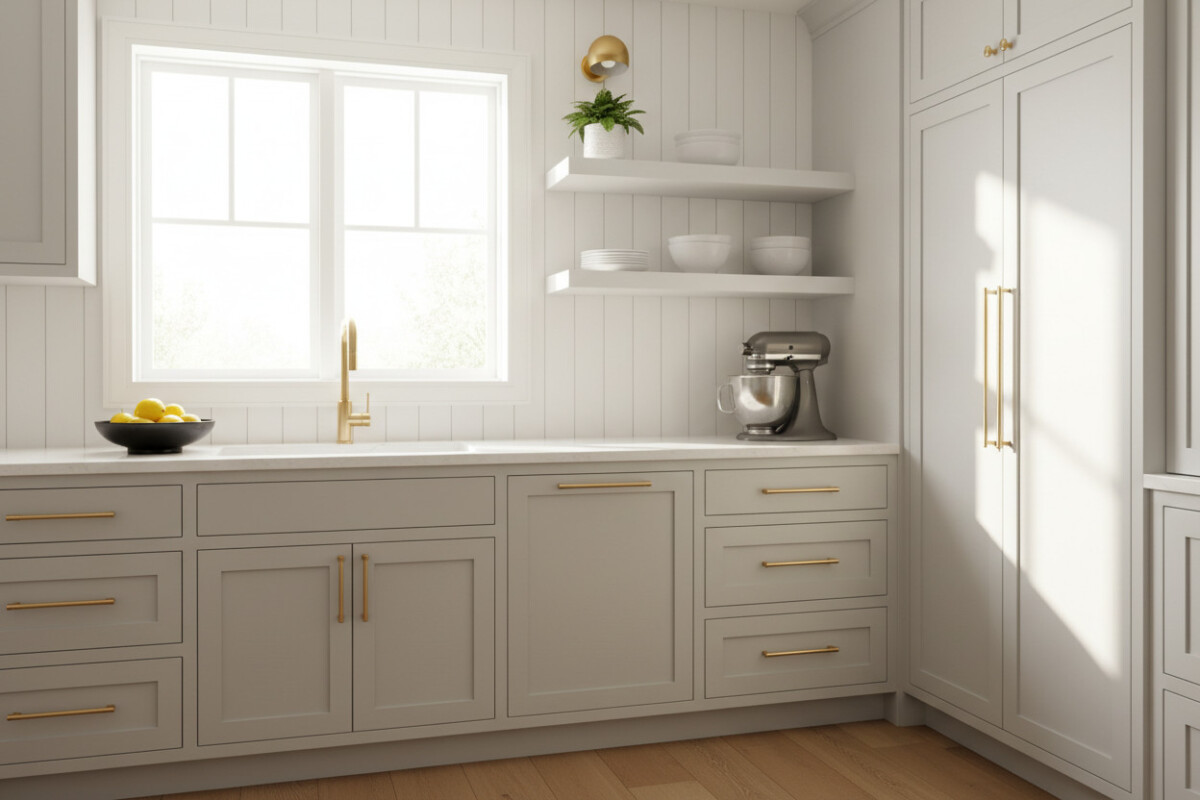
Painted kitchen cabinets can make a kitchen feel soft, bright, and more polished than almost any other finish. They instantly lift the room. They can make an older space feel fresh and a small kitchen feel cleaner. That is probably why so many people choose them in the first place.
But painted cabinets also come with a quiet downside.
They show grease very easily.
A thin film builds up near the stove. Fingerprints collect around handles. Splash marks show up around the sink. And if the cabinets are white, cream, or another light color, the buildup can make the whole kitchen feel dull even when the rest of the room is clean.
That’s when I came to understand something important:
the goal is not to scrub painted cabinets until they are spotless. The goal is to clean them gently enough that the finish stays intact.
That small difference matters a lot.
Because once the paint starts losing its sheen, once the finish dulls, once the surface gets scratched or worn down, cleaning becomes harder in the long run. So the real trick is not just removing grease. It is removing grease in a way that protects the cabinet surface at the same time.
That is what makes this job feel a little different from cleaning other kitchen surfaces.
Why Painted Cabinets Get Greasy So Quickly
Kitchen grease does not stay in one place.
When you cook, tiny particles rise into the air and settle on nearby surfaces. Steam helps carry them. Heat spreads them. Even regular daily movement in the kitchen can move residue from one area to another.
Cabinets near the stove usually get hit first, but grease does not stop there. It eventually lands on cabinet doors, handles, corners, and upper surfaces too.
The reason painted cabinets show it so clearly is simple:
painted finishes do not hide buildup the way wood grain or darker surfaces sometimes do.
So even a light layer of grease can make the cabinet look dirty.
The buildup usually appears slowly, which is why it can sneak up on you. At first, the cabinets just look a little less bright. Then they start feeling slightly tacky. Then fingerprints become harder to ignore. By the time you really notice the mess, it has usually been sitting there for a while.
The good news is that grease is manageable.
The bad news is that the wrong cleaner can cause more damage than the grease itself.
So the process matters.
The Biggest Mistake People Make
The most common mistake is reaching for something too harsh.
That is understandable. Grease feels stubborn, so it seems logical to use a strong cleaner or a rough sponge to attack it. But with painted cabinets, that is usually where the trouble starts.
Harsh cleaners can:
- strip the finish
- dull the paint
- leave streaks or cloudy patches
- create uneven shine
- damage edges and corners over time
The same is true for abrasive scrubbers. Anything rough enough to remove tough grime can also remove a little bit of the cabinet surface along with it.
That is why the safest approach is usually a gentle one.
Painted cabinets need cleaning that removes grease without removing the finish.
That means patience, mild cleaners, and soft cloths matter more than force.
What You Need Before You Start
You do not need a long list of products to do this well.
In most cases, the essentials are simple:
- warm water
- mild dish soap
- soft microfiber cloths
- a clean dry towel
- a small bowl or spray bottle
- a soft sponge if needed
That is usually enough for regular grease buildup.
For slightly heavier buildup, you may need to repeat the process a couple of times rather than using a stronger product right away. That is often the better choice because it is more controlled and much safer for the paint.
The main idea is to keep everything gentle.
A soft tool used carefully will usually do a better job over time than a harsh tool used aggressively once.
Start With the Lightest Touch Possible
Before bringing in any moisture, it helps to remove loose dust or crumbs.
A dry microfiber cloth is perfect for this.
This first pass matters because it prevents dirt from turning into mud when you add cleaner. It also lets you see where the real grease buildup is, which helps you focus on the right areas instead of wiping the entire cabinet the same way.
Look closely at:
- around handles
- near the stove
- lower cabinet edges
- corners and trim
- the tops of cabinets
- cabinet fronts near frequently touched spots
These are the places where grease likes to collect first.
A quick dry wipe also keeps you from rubbing grit into the paint when you move on to the actual cleaning stage.
The Best Way to Degrease Painted Cabinets
The safest method is usually a simple mix of warm water and mild dish soap.
This works because dish soap is designed to cut through oily residue without being overly aggressive. Warm water helps soften the grease and makes it easier to remove.
Here is the general approach:
- Mix a small amount of dish soap into warm water.
- Dampen a microfiber cloth or soft sponge.
- Wring it out well so it is not soaking wet.
- Wipe the cabinet gently in small sections.
- Rinse the cloth with clean water and wipe again.
- Dry the area immediately with a clean towel.
That last part is important.
Leaving moisture on painted cabinets can create streaks, dull spots, or long-term wear around edges and seams.
So the cleaning process is not complete until the surface is dry.
Why You Should Work in Small Sections
When you clean a whole cabinet face at once, it is easy to miss spots or leave moisture behind too long.
Working in small sections gives you more control.
It also helps you keep track of how much pressure you are using. Painted cabinets do not need heavy scrubbing. They need steady, gentle wiping.
This is especially useful if your cabinets are older or have already been cleaned many times before. Paint and finish can wear unevenly over time, so small sections make it easier to avoid overworking one area.
A calm, methodical approach usually gives the best result.
How to Handle Thicker Grease Buildup
Sometimes a quick wipe is enough.
Other times, especially near the stove, grease can be more stubborn.
When that happens, the trick is not to scrub harder. It is to let the cleaner sit a little longer.
Apply the damp cloth to the greasy area and let the solution loosen the buildup for a short time. Then wipe again gently.
This softens the residue without forcing it off the surface.
If a spot still does not come clean, repeat the process instead of immediately switching to a harsher cleaner. In most cases, two gentle passes are safer than one aggressive one.
That approach protects the painted finish and usually gets the job done just as well.
Why Handles and Edges Need Extra Attention
The areas around handles are often the first to look dirty.
That is because they are touched constantly.
Hands bring oils, moisture, dirt, and residue with them every time the cabinet is opened or closed. Over time, that creates a slightly sticky buildup that can collect more dust and grease.
Edges and trim can also trap grime because they catch residue from cooking fumes and are harder to wipe evenly.
These areas often need a little more patience than flat cabinet surfaces.
A cloth wrapped around a finger or a soft corner of the cloth can help get into tighter spots without pressing too hard. The key is to clean carefully rather than aggressively.
What to Avoid Completely
There are a few things I would avoid on painted kitchen cabinets every time.
Do not use:
- abrasive scrub pads
- steel wool
- bleach-based cleaners
- strong solvents
- anything labeled as heavy-duty unless it is specifically safe for painted finishes
- overly wet cloths
- harsh magic-erase style scrubbing unless you are certain the paint can handle it
The reason is simple.
These tools may remove grease quickly, but they can also remove or damage the finish.
And once the cabinet surface loses its smooth coating, it often starts collecting dirt even faster. That creates a cycle where the cabinets need more and more effort just to stay decent-looking.
Gentle care is not the slow option here.
It is the smarter one.
The Role of Drying
Drying matters more than most people expect.
Once the cabinet is cleaned, wipe it down with a dry towel right away. Do not leave it to air dry if you can help it.
That extra drying step helps prevent:
- streaks
- water spots
- dull patches
- moisture in seams or corners
Painted cabinets can look perfectly clean and still end up damaged over time if water sits in tiny gaps around the door edges or hardware holes.
A clean cabinet that is dried properly lasts longer and looks better.
How Often You Should Degrease Painted Cabinets
The best schedule is usually light maintenance rather than waiting for a deep-clean emergency.
A simple routine might look like this:
- quick wipe weekly
- spot clean when grease appears
- deeper degrease every few weeks near the stove
If your kitchen gets a lot of cooking traffic, you may need to do it more often.
If you cook lightly and keep the room ventilated, you may be able to stretch the time between cleanings.
The important part is consistency. Grease is much easier to deal with when it has not had weeks or months to settle.
The Trick That Makes Cleaning Easier Over Time
The best way to make cleaning painted cabinets easier is to prevent grease from building up too much in the first place.
That sounds obvious, but it is the part people skip.
Small habits help a lot:
- wipe cabinet fronts near the stove more often
- clean fingerprints before they spread
- use the range hood or fan while cooking
- clean splatters as soon as they happen
- do not let residue sit for months
These little habits make the deep clean far less annoying later.
When cabinets are maintained regularly, you do not have to fight old grime every time you clean them.
That is a huge difference.
What If the Grease Has Been There for a Long Time
Old grease can feel intimidating, especially if the cabinets have not been cleaned in a while.
In that case, the best approach is patience.
Start with the mild solution. Let it sit briefly. Wipe gently. Repeat if needed.
If the cabinet still looks cloudy or sticky, the grease may not all be gone yet, but that does not mean you should reach for the harshest cleaner on the shelf.
Sometimes it takes a few passes to loosen years of buildup safely.
That is normal.
It is better to clean slowly and preserve the finish than to rush and damage the paint.
Painted Cabinets and Different Finishes
Not all painted cabinets behave exactly the same.
Some have a smoother, more durable finish. Others have older paint or a softer coat that is more delicate. Matte cabinets can show grease differently than glossy ones. Some finishes hide fingerprints better but still collect residue over time.
That is why there is no one perfect technique for every cabinet in every home.
But the general rule stays the same:
use the mildest effective method first.
That rule protects the finish no matter what kind of painted cabinet you have.
Why a Gentle Routine Gives Better Results
It might seem like a stronger cleaner would make the job easier.
Sometimes it does, at first.
But the problem is what happens later.
A harsh cleaner can strip a tiny layer of finish each time it is used. You may not notice right away. But after enough cleanings, the cabinet starts looking older, duller, and less even.
A gentle routine keeps the surface intact.
That means the cabinets not only look better now, but also hold up better in the long term.
That is the kind of maintenance that actually pays off.
The Best Mindset for Cleaning Painted Cabinets
A lot of cleaning problems get better once you stop thinking in terms of force.
With painted kitchen cabinets, the goal is not to attack the grease.
The goal is to lift it away.
That subtle change in mindset helps you choose better tools, move more carefully, and avoid overdoing it.
It also makes the whole task less stressful.
You do not need to restore the cabinets in one dramatic session. You just need to keep them from building up too much grime in the first place.
That is a much easier job.
A Simple Step-by-Step Routine You Can Repeat
If you like having a clear process, here is the easiest version:
- Wipe away dust with a dry microfiber cloth.
- Mix warm water with a small amount of mild dish soap.
- Dampen a soft cloth or sponge and wring it out well.
- Clean one section at a time using gentle pressure.
- Let stubborn greasy spots sit for a moment before wiping again.
- Rinse with clean water if needed.
- Dry the cabinet immediately with a clean towel.
That routine is simple, safe, and effective for most painted kitchen cabinets.
And most importantly, it keeps the finish protected while removing the grease.
Final Thoughts
Degreasing painted kitchen cabinets does not have to be complicated.
The secret is not stronger cleaner, harder scrubbing, or more elbow grease.
It is gentle cleaning, regular maintenance, and protecting the paint finish while you work.
Once you understand that, the job becomes much easier.
Use mild soap. Use soft cloths. Work in small sections. Dry the surface right away. Clean before grease gets too heavy. And avoid anything that feels too rough or too aggressive for the finish.
That is what keeps painted cabinets looking bright, smooth, and cared for over time.
And honestly, that is the difference between cabinets that just get cleaned and cabinets that stay beautiful.