Table of Contents
There are few smells more stubborn than a burnt smell in a house.
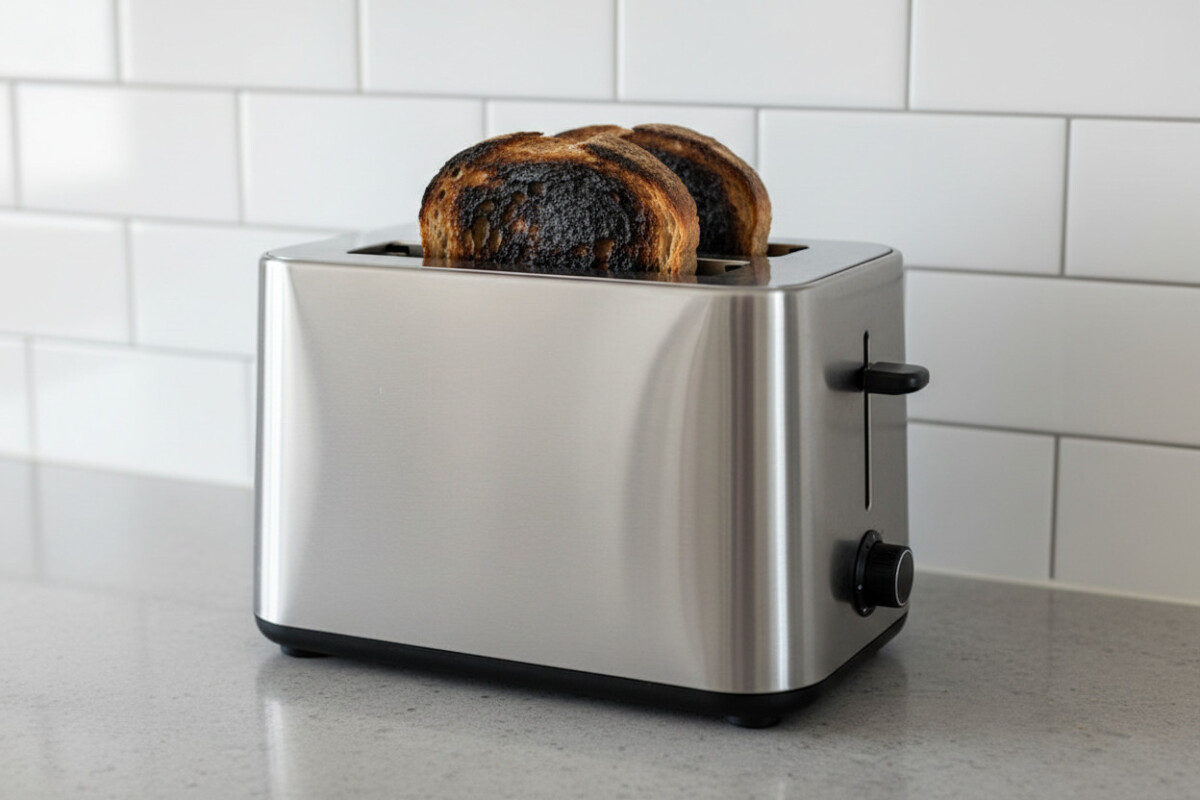
It does not matter whether the source was a pan left too long on the stove, toast forgotten in the toaster, something scorched in the oven, or a small kitchen mistake that turned into a full-room problem. Once that burnt smell gets into the air, it seems to settle into everything.
The curtains hold onto it.
The cushions hold onto it.
The walls seem to keep it for longer than they should.
And the worst part is that even after the smoke is gone, the smell can still hang around like it owns the place.
That was the point where I realized something important:
getting rid of a burnt smell is not about one quick spray or one open window. It is about removing the source, cleaning the surfaces, and refreshing the air layer by layer.
Once I stopped trying to mask the smell and started treating it like a full cleanup problem, everything became much easier.
Why Burnt Smell Lingers So Long
At first, it feels strange that a smell from one small incident can spread so far.
But burnt odors are different from ordinary cooking smells.
When something burns, it often releases tiny smoke particles and greasy residue into the air. Those particles do not just disappear. They settle on surfaces, get trapped in fabric, and linger in soft materials around the house.
That is why the smell can stay for hours, days, or even longer if you do nothing about it.
A burnt smell usually sticks around because it gets into:
- fabric
- curtains
- upholstery
- carpets
- walls
- cabinet surfaces
- air filters
So if you are only spraying perfume or lighting a candle, you are mostly covering the smell, not removing it.
That is the first lesson I had to learn.
The First Thing to Do: Stop the Source
This sounds obvious, but it matters more than anything else.
If something is still burning, smoking, or overheating, deal with that first.
Turn off the stove.
Remove the pan if it is safe.
Unplug the appliance if it is no longer needed.
Open anything that is still trapping heat.
You cannot remove the smell properly while the source is still active.
That is like trying to dry a floor while the sink is still running. The problem keeps feeding itself.
Open the Windows Immediately
Once the source is gone, the next step is airflow.
A burnt smell stays trapped in stale air. Fresh air is one of the fastest ways to start changing that.
I open as many windows as possible, even if only for a short time at first.
If there is a cross-breeze, even better.
That helps push the smoky air out and brings in cleaner air to replace it.
Sometimes people hesitate because the weather is not ideal, or because they think opening windows is too simple to matter.
But it matters a lot.
air movement is one of the fastest ways to reduce a burnt smell in the early stage.
Use Fans to Push the Air Out
Open windows help, but fans make the process much faster.
I like to place a fan near one window pointing outward. That helps push the stale air outside instead of just moving it around the room.
If possible, I also create a path for new air to come in from the other side of the house.
This creates circulation instead of just stirring up the same smell.
That difference is important.
Because if the air is not moving out, the burnt smell stays in the same zone and keeps circulating inside the house.
A fan alone does not solve everything, but it helps the whole process start moving.
Remove Anything That Holds Onto Smell
This was one of the biggest changes for me.
Burnt smell spreads into soft materials fast.
So after the first air-out step, I look for anything that may be holding the odor:
- dish towels
- oven mitts
- table runners
- throw blankets
- cushion covers
- curtains near the kitchen
If something can be washed, I wash it.
If something is small and washable, it usually goes straight into the laundry.
That helped more than I expected, because fabrics can keep the smell long after the air seems better.
And if you leave those items alone, they quietly keep releasing odor back into the room.
Clean the Kitchen Surfaces First
The kitchen is usually where the smell starts, so that is where I begin cleaning.
Burnt smell often clings to:
- stovetops
- counters
- cabinet fronts
- backsplash tiles
- knobs and handles
- nearby walls
Even if nothing looks dirty, a light layer of smoke residue may still be there.
I wipe everything down with a gentle cleaner and warm water first. Then I go back over the surfaces if needed.
The goal is to remove any oily or smoky residue that is still hanging on.
Because if the residue stays, the smell usually stays with it.
Do Not Forget the Stove and Oven Area
The stove and oven are often the biggest smell sources.
If something burned there, even a small amount of residue can keep releasing odor each time the area warms up again.
That means you need to check:
- burner rings
- grates
- oven walls
- oven racks
- trays or pans
- spills under the cooktop
If the burnt incident happened in the oven, the smell may cling to the inside far more than people expect.
A quick wipe is usually not enough.
You need to remove baked-on residue and let the area air out fully.
That is the only way to stop the smell from returning the next time the oven heats up.
Wash the Sink Area Too
This part gets overlooked often.
If you were cooking something burnt, the sink may have picked up part of the odor through dishes, pans, or cleanup water.
I always clean the sink after an incident like that.
That means:
- scrubbing the basin
- rinsing the drain
- cleaning the faucet
- clearing food bits from the drain area
It is a small step, but it helps reset the whole kitchen.
Sometimes the burnt smell feels stronger than it should because old food residue or greasy residue is still sitting somewhere else in the room.
Empty the Trash Right Away
This one matters a lot.
If anything burnt got thrown in the trash, the smell may keep leaking from there.
A burnt pan liner.
A scorched paper towel.
A blackened piece of food.
A wrapper from the incident.
Once that goes into the bin, the smell often gets trapped inside the trash can.
So I empty the trash immediately, clean the bin if needed, and make sure the lid is not holding the smell in.
A bad-smelling trash can can keep a burnt smell alive long after the kitchen itself has started to clear.
Clean the Trash Can Itself
Even if the trash was emptied, the can may still smell smoky.
That is especially true if hot, greasy, or burnt material sat inside it.
A quick wash with soap and warm water usually helps a lot.
Then I let it dry fully with the lid open if possible.
That step makes more difference than people realize, because trash cans can quietly trap odors and feed them back into the room every time the lid opens.
What to Do About Fabrics in the Room
If the burnt smell spread beyond the kitchen, soft surfaces may be holding the odor now.
That includes:
- sofa cushions
- pillows
- curtains
- upholstered chairs
- rugs
- carpets
I start with the items that can be washed.
For larger items that cannot be thrown in a machine, I air them out near a window or outside if possible.
Sometimes even just moving a blanket away from the room makes a noticeable difference.
The reason is simple:
fabric traps odor more strongly than hard surfaces do.
So unless you deal with the fabric, the smell can return even after the room seems clear.
Vacuum Soft Surfaces Carefully
If the smell came with smoke particles, the carpet or rugs may need attention too.
I vacuum slowly and carefully, especially in rooms near the source.
That helps remove loose residue that may have settled into fibers.
If the vacuum has a filter that can be cleaned or replaced, I make sure it is in good condition afterward. Otherwise, the vacuum can start holding onto the smell too.
That is a mistake I see people make all the time. They vacuum the smell, then keep using the same dusty bag or filter, and the machine starts spreading the odor around instead of helping.
Let Natural Air Do Its Work
Sometimes the most effective thing is still the simplest.
Fresh air, steady airflow, and time.
I know that sounds too basic when you are dealing with a really bad burnt smell, but it matters.
If the weather allows, I leave windows open for a while and let the house breathe.
Even after cleaning, I do not rush to close everything back up too quickly.
Because if the air never gets a chance to reset, the burnt smell stays trapped inside.
This is especially important in rooms with limited airflow or in homes that stay closed most of the time.
Activated Charcoal and Odor Absorbers Help
Once the obvious smell sources are cleaned up, odor absorbers can help with the leftover scent.
I like using odor absorbers in the rooms that still smell slightly burnt after the main cleanup.
Things like charcoal-based odor absorbers are useful because they help pull odor out of the air rather than just covering it.
That part matters.
A lot of scented products make the room smell different for a short time, but they do not really reduce the burnt smell itself.
Odor absorbers are better when the room is already clean but still not fully fresh.
Baking Soda Can Help on Soft Surfaces
Baking soda is one of those simple things that seems too basic to work well, but it can help with lingering smell in some materials.
If a rug, cushion, or fabric item still smells slightly burnt, I sometimes let baking soda sit on it for a while before vacuuming it up.
It does not solve every odor problem, but it can help reduce the leftover smell in fabrics that are hard to wash.
That is especially useful when the burnt smell has become mild but persistent.
Clean the Air Vents and Filters
This is one of the most overlooked parts of smell removal.
If the house has vents, filters, or fans, they may have pulled in some of the burnt odor and smoke particles.
That means the smell can keep circulating even after the room itself looks clean.
So I check:
- air filters
- vent covers
- fan blades
- portable air purifiers
- range hood filters
If those are dirty, they can keep the smell alive.
Cleaning or replacing filters makes a huge difference because the air system is often part of the problem.
The Range Hood Can Hold More Smell Than You Expect
If the burnt smell came from the kitchen, the range hood is worth checking carefully.
Grease and smoke particles can settle there and keep releasing odor.
I wipe down the hood surface, wash the filter if needed, and make sure it is not clogged with greasy residue.
A dirty hood can make it feel like the smell is coming back from nowhere, when really it has just been trapped above the stove the whole time.
That is one of those hidden trouble spots that people forget until the smell refuses to go away.
Do Not Try to Cover It Too Early
One of the biggest mistakes is trying to mask a burnt smell before cleaning it properly.
Candles.
Sprays.
Air fresheners.
Strong perfume-like scents.
These may make the house smell different, but they usually do not remove the burnt odor itself.
In some cases, they make it worse by mixing with the smoke smell and creating a strange blended odor that is even more annoying.
I only use scent after the air has already started to clear.
That way it feels fresh, not covered up.
What If the Smell Is in the Walls?
Sometimes the smell does not just live in the air.
If the incident was strong enough, it may cling to walls, cabinets, or even ceiling areas near the source.
In that case, I clean those surfaces carefully with a gentle solution and make sure they dry properly.
Painted walls can hold odor more than expected, especially if there was a lot of smoke.
That does not mean the smell is permanent. It just means the cleanup needs to go beyond the obvious areas.
What If the Burnt Smell Is in the Whole House
If the smell spread through the house, I treat it room by room.
First the source.
Then the nearby kitchen.
Then the fabrics.
Then the air.
Then the hidden surfaces.
That layered approach works much better than trying one random trick and hoping it fixes everything.
And it is usually the reason people feel stuck. They are looking for one shortcut when the problem actually needs several small fixes.
How Long It Usually Takes
That depends on how strong the smell was.
A small burnt-toast smell may clear in a few hours with open windows and light cleaning.
A stronger smoke smell from cooking or something scorched in the oven can take much longer.
The more fabrics, grease, and hidden residue involved, the longer it lingers.
The key is not to panic if it does not disappear immediately.
Burnt smell is stubborn, but not unbeatable.
What Worked Best for Me
If I had to narrow it down, the most useful steps were these:
- remove the source
- open the windows
- use fans for airflow
- wash fabric items
- clean kitchen surfaces
- empty the trash
- check filters and vents
- use odor absorbers after cleaning
That combination made the biggest difference.
Not one of those steps alone.
All of them together.
The Mindset That Makes This Easier
The real shift is understanding that a burnt smell is not just a smell.
It is a cleanup signal.
It usually means something in the air, on a surface, or inside a fabric is holding onto residue that needs to be removed.
Once you treat it that way, the process becomes more logical and less frustrating.
You stop spraying randomly.
You stop wondering why the smell keeps coming back.
You start cleaning the places that actually hold the odor.
That is when the house begins to feel fresh again.
Final Thoughts
A burnt smell in a house can feel impossible at first.
It spreads fast, lingers longer than expected, and makes the whole home feel less comfortable.
But it is fixable.
The key is to move step by step and not rely on masking it.
Clean the source.
Open the air.
Wash the fabrics.
Wipe the surfaces.
Check the filters.
Let the house breathe.
Once those pieces come together, the smell finally starts to fade for real.
And when it does, the whole house feels like itself again.