Table of Contents
The oven bottom drawer is the kitchen’s hidden catch-all: crumbs, rogue foil, and the occasional mystery crust collect there. Treating it like an afterthought can lead to smells, pests, and even grease build-up if your drawer doubles as a warming or broiler drawer. This guide gives a practical, human-written routine for when and how to clean the drawer properly — no jargon, just results.
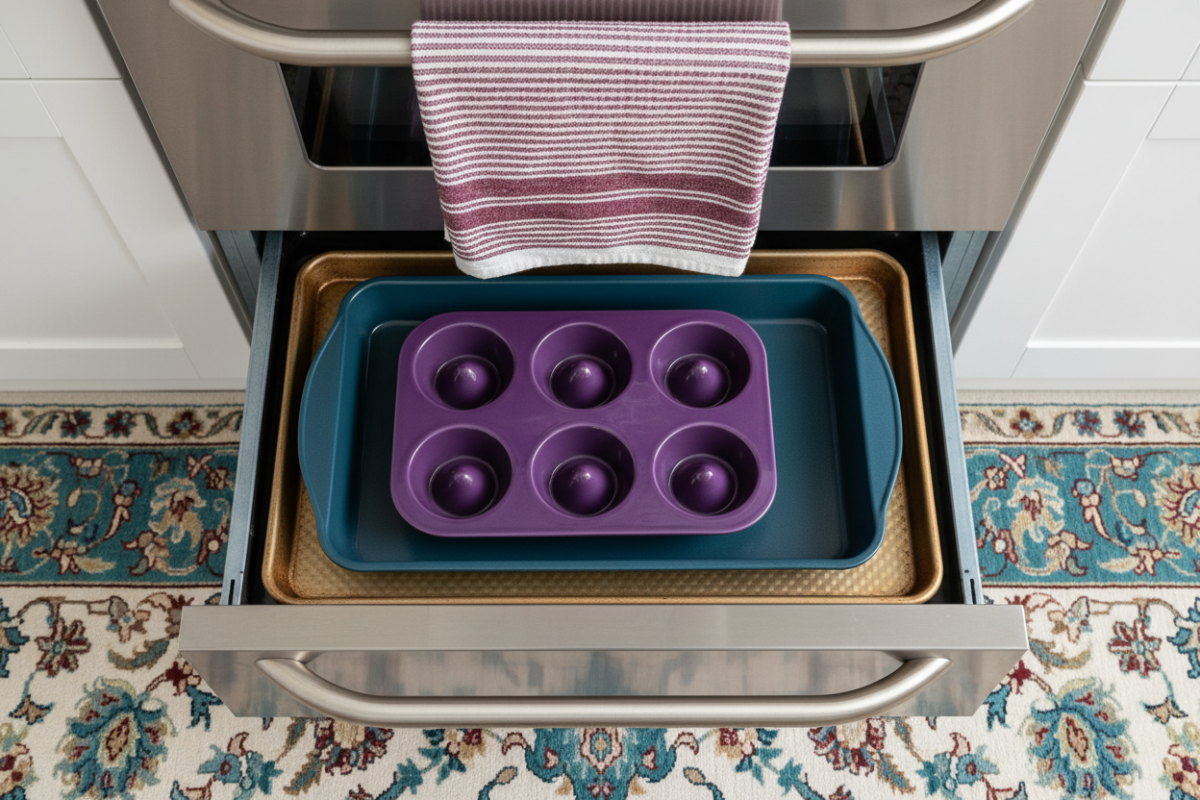
What is the oven bottom drawer (and does yours heat?)
Not all oven drawers are the same. Many are simple storage compartments for pans; others are warming drawers or broiler-style drawers that can get hot during or after cooking. Identifying which type you have is step one: look for heating elements or a control panel — if those exist, treat the drawer like part of the oven and clean it more often.
How often you should clean oven bottom drawer
- Storage-only drawer: deep clean every 3 months, with quick wipe-downs as needed.
- Warming or broiler drawer: wipe after every use and deep-clean every 1–2 months.
These recommendations are practical: if you store pots, crumbs and dust will slowly accumulate; if the drawer heats, grease and food particles can bake on fast and produce odors or smoke hazards.
Why keeping the drawer clean matters
A dirty bottom drawer can:
- Harbor crumbs and pet hair that attract pests.
- Hold grease that stinks or smokes when heated.
- Reduce appliance efficiency and shorten lifespan if grease reaches components.
Regular maintenance keeps flavors true, reduces fire risk, and saves elbow grease later. Experts widely recommend routine spot-cleaning and seasonal deep cleans for the whole oven, and that logic applies to the drawer too.
Quick checklist: when to spot-clean vs deep-clean
Spot-clean now if:
- You see crumbs, spills, or food debris.
- The drawer smells.
- You used it with greasy pans or trays recently.
Deep-clean when:
- It’s been ~1–3 months since the last full clean (adjust for usage).
- You notice baked-on grease or sticky gunk.
- You see rust, mold, or persistent odors.
Step-by-step: How to clean an oven bottom drawer (safe, simple)
- Turn off power & cool down. If you have a warming drawer, ensure it’s completely off and cool. Safety first.
- Remove the drawer. Most slide-out drawers lift slightly and pull free. Check your manual if it’s stubborn.
- Shake / vacuum loose debris. Outside or over a trash bin, tip the drawer to dislodge crumbs. A handheld vacuum or brush makes this fast.
- Soak removable pieces. If the drawer has a metal pan or tray, soak it in warm soapy water (or a vinegar + baking-soda soak for tough grime). Soaking loosens baked-on grease.
- Wipe interior with a gentle cleaner. Use warm water + dish soap or a paste of baking soda and water. Apply the paste, let it sit 10–20 minutes for stubborn spots, and scrub with a non-abrasive pad. Rinse and dry thoroughly.
- Tackle grease with vinegar if needed. A spray of vinegar after scrubbing helps dissolve residue and remove odors. Wipe until dry.
- Reinstall & test. Make sure everything is dry; slide the drawer back in and run a short ventilated cycle (if warming) to burn off any residual odors.
DIY cleaning solutions that actually work
- Baking soda paste: 3 parts baking soda + 1 part water. Apply, wait 15–30 minutes, scrub, wipe. Great for baked-on gunk.
- Vinegar spray: Use after baking soda to neutralize and dissolve residue; keep a microfiber cloth handy.
- Soak racks in a trash bag: Spray with vinegar, sprinkle baking soda, add hot water, and seal for an hour (works for racks/trays that fit in a tub).
What to avoid (protect your oven)
- Avoid harsh abrasives that scratch enamel.
- Don’t overuse high-heat self-clean cycles to remove drawer grime — self-cleaning ovens reach extreme temperatures that can stress seals and electronics; manufacturers and appliance experts advise using heat-clean sparingly (e.g., once a year). For drawer messes, manual cleaning is safer and effective.
Maintenance habits that save time
- Place a shallow tray or oven liner on a lower rack (not directly on the oven floor) to catch drips.
- Wipe the drawer after any spill or visible crumb — small actions prevent big scrubs.
- Schedule a seasonal deep-clean (every 3 months if you cook often) and add a reminder to your cleaning calendar.
Quick FAQ
Q: My drawer smells even after cleaning — what now?
A: Remove and wash all removable parts, use a vinegar rinse, and leave the drawer open to air-dry. If smell persists, check for hidden grease in crevices and around seals.
Q: Can I use commercial oven cleaner in the drawer?
A: You can, but read your oven manual first. Some commercial cleaners are strong and require ventilation and protective gear; for most drawer messes, baking soda + vinegar is gentler and effective.
Q: Is it normal for crumbs to collect there?
A: Yes — airflow, gravity, and handling pans mean the bottom drawer often becomes the kitchen’s crumb catcher. Regular vacuuming/wiping prevents buildup.