Table of Contents
When the relentless chill of winter sets in, your primary goal is keeping your living space warm, cozy, and safe from the freezing temperatures outside. A well-functioning heating system is the beating heart of any comfortable winter home. However, in the pursuit of ultimate coziness and rapid warmth, homeowners frequently fall prey to habits that actively work against their goals. Without realizing it, you might be making several common home heating mistakes that end up costing you dearly in soaring utility bills, unnecessary wear and tear on your HVAC equipment, and uneven, uncomfortable temperatures throughout your house.
Understanding how your heating system actually functions—and how the home envelope retains that heat—is the key to staying warm without burning through your winter budget. In this comprehensive guide, we will break down the most widespread errors homeowners make during the heating season, why these practices are detrimental to your system’s efficiency, and the actionable steps you can take today to correct them.
Why Avoiding Common Home Heating Mistakes Matters
Before diving into the specific errors, it is vital to understand exactly what is at stake when you misuse your home heating system. The consequences of poor heating habits generally fall into three major categories:
- Financial Drain: Heating accounts for the largest chunk of the average household’s utility bill—often making up 40% to 50% of your total energy expenses. Inefficient practices force your system to consume significantly more energy (gas, oil, or electricity) to achieve the same level of comfort, directly draining your bank account.
- Premature HVAC Failure: Furnaces, heat pumps, and boilers are expensive investments. When you force your system to work harder than it was designed to, you accelerate the degradation of its internal components. This leads to frequent, costly repairs and drastically shortens the overall lifespan of the unit.
- Decreased Indoor Air Quality and Comfort: Many heating mistakes disrupt the balanced airflow of your home. This can result in hot and cold spots, excessively dry air, and the rapid circulation of dust and allergens.
By identifying and correcting these bad habits, you can protect your wallet, extend the life of your equipment, and enjoy a much more comfortable indoor environment.
9 Common Home Heating Mistakes Sabotaging Your Comfort and Budget
1. Cranking Up the Thermostat for Faster Heat
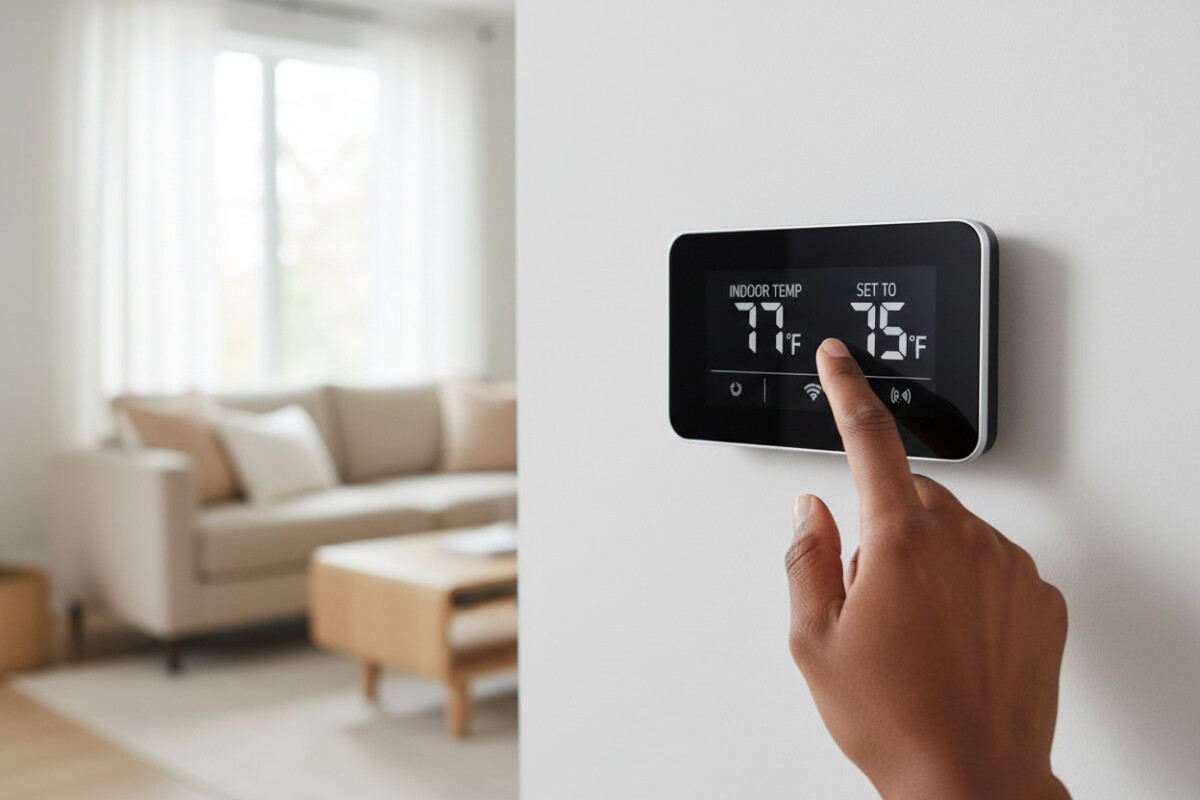
One of the most frequent and heavily ingrained common home heating mistakes is treating the thermostat like a car’s gas pedal. If you come home to a freezing house, you might be tempted to crank the thermostat up to 80°F (26°C), assuming the house will warm up faster than if you set it to your desired 68°F (20°C).
Why it’s a mistake: Your furnace or heat pump operates at a constant speed and outputs heat at a constant rate. Setting the thermostat higher does not make the hot air come out faster or hotter; it simply tells the system to stay on longer until it reaches that elevated temperature. Ultimately, you will end up overshooting your ideal comfort zone, wasting an incredible amount of energy, and then having to lower the thermostat again.
The Fix: Set your thermostat exactly to your target comfortable temperature and let the system do its job at its natural pace. If you want to arrive at a warm house, invest in a programmable or smart thermostat.
2. Closing Vents in Unused Rooms
It sounds like perfectly logical advice: if you aren’t using the guest bedroom or the dining room, why waste money heating it? Many homeowners close the supply registers in unused rooms in an attempt to redirect hot air to the rooms they occupy.
Why it’s a mistake: Modern central heating systems are carefully balanced to distribute a specific volume of air throughout the house. When you close vents, the blower motor still pushes the exact same amount of air, but now it has fewer avenues to escape. This creates a massive buildup of static pressure inside your ductwork. This pressure can cause ducts to leak, force the blower motor to work harder (burning out prematurely), and severely restrict airflow over the heat exchanger, which can cause the furnace to overheat and crack.
The Fix: Keep all vents open to ensure proper airflow and system balance. If you truly want to heat your home room-by-room, consider upgrading to a zoned HVAC system or installing ductless mini-splits.
3. Neglecting Routine HVAC Maintenance
Life gets busy, and it is easy to adopt an “out of sight, out of mind” mentality with your furnace. Skipping your annual fall HVAC tune-up is a gamble that rarely pays off in the long run.
Why it’s a mistake: Just like a car needs regular oil changes, a heating system requires routine cleaning, lubrication, and inspection. Over the months of downtime, dust settles on burners, sensors get dirty, and moving parts lose their lubrication. Operating a dirty, unmaintained furnace can reduce its efficiency by up to 15% and increases the risk of a total system breakdown on the coldest night of the year. Furthermore, neglected gas furnaces can develop cracked heat exchangers, risking deadly carbon monoxide leaks.
The Fix: Schedule a professional preventative maintenance appointment every autumn before the heavy heating season begins.
4. Forgetting to Change Your Air Filters Regularly
Perhaps the simplest piece of home maintenance is also the most frequently forgotten. Homeowners often leave the same fiberglass or pleated air filter in their return vent for six months to a year.
Why it’s a mistake: The primary job of an HVAC filter is not actually to clean the air you breathe, but to protect the sensitive internal components of the blower motor and heat exchanger from dust, hair, and debris. A clogged filter acts like a thick wall, suffocating the system. The furnace has to pull harder to draw air in, wasting massive amounts of electricity and causing the system to overheat and “short-cycle” (turn on and off rapidly).
The Fix: Check your air filter once a month. Depending on the thickness of the filter, whether you have pets, and the general dustiness of your home, replace it every 30 to 90 days without fail.
5. Blocking Heating Vents and Radiators With Furniture
When arranging a living room or bedroom, aesthetics usually take priority over HVAC efficiency. It is incredibly common to find couches, beds, thick rugs, or bookshelves placed directly over or in front of floor vents, baseboard heaters, or radiators.
Why it’s a mistake: Placing heavy furniture over a heat source traps the warm air. The furniture absorbs the heat, preventing it from circulating into the room. Not only does this leave the room feeling drafty and cold, but it also creates the same pressure imbalance in your ductwork as closing a vent. Furthermore, pushing a couch directly against a hot radiator or baseboard heater can warp the furniture and create a severe fire hazard.
The Fix: Walk through your home and ensure every single supply and return vent, radiator, and baseboard has at least 18 to 24 inches of clear, unobstructed breathing room.
6. Ignoring Drafty Windows and Doors
You can have the most expensive, ultra-high-efficiency furnace in the world, but if your home’s envelope is compromised, you are literally blowing money out the window.
Why it’s a mistake: The Department of Energy estimates that drafts from poorly sealed windows and doors can account for 25% to 30% of a home’s heating energy loss. When cold air constantly seeps in and warm air constantly escapes, your thermostat constantly detects a temperature drop, forcing your heating system to run almost non-stop.
The Fix: Take a weekend to weatherize your home. Apply fresh caulk around the exterior of window frames, install weatherstripping around doors, use draft stoppers at the bottom of exterior doors, and consider hanging heavy thermal curtains to add an extra layer of insulation against cold glass during the night.
7. Relying Heavily on Inefficient Space Heaters
Space heaters are a staple in many households during the winter. While they have a time and a place, using them incorrectly is a massive drain on your resources.
Why it’s a mistake: Space heaters are designed for supplemental or zone heating—warming up a small, specific area for a short period of time. Using multiple space heaters to try and heat an entire house, or running them 24/7 because you refuse to turn on your central heat, is highly inefficient. Electricity is generally much more expensive per BTU (British Thermal Unit) than natural gas or the heat transfer method used by heat pumps. Running a 1500-watt space heater constantly will cause your electric bill to skyrocket.
The Fix: Use space heaters sparingly, such as warming up a home office while you work for a few hours. Ensure your central heating system is properly balanced so that you don’t feel the need to rely on localized electric heat.
8. Sticking With an Outdated Manual Thermostat
If you are still adjusting a dial or a slider on an old, non-programmable thermostat every time you leave the house or go to bed, you are missing out on effortless savings.
Why it’s a mistake: Human memory is flawed. It is incredibly easy to leave for a weekend trip or head to work for eight hours and forget to turn the heat down, paying to heat an empty house.
The Fix: Upgrade to a programmable or smart thermostat. You can set it to automatically drop the temperature by 7–10 degrees when you are away or asleep, and warm back up right before you return or wake up. The EPA estimates that proper use of a programmable thermostat can save you up to 10% a year on heating and cooling.
9. Leaving Exhaust Fans Running Unnecessarily
The exhaust fans in your bathrooms and kitchen are excellent for removing moisture and cooking odors. However, many people turn them on before a shower and leave them running for hours afterward.
Why it’s a mistake: Exhaust fans are literally designed to suck the air out of your house and vent it outside. During the winter, that air is the expensive, comfortably heated air you just paid to warm up. Leaving a bathroom fan on for an hour can entirely replace the warm air in your home with freezing outside air that seeps in through the home’s natural gaps to replace the exhausted air.
The Fix: Turn exhaust fans on only when actively showering or cooking, and turn them off within 15 to 20 minutes after you are done. Consider installing timer switches on bathroom fans so they shut off automatically.
Conclusion: Take Control of Your Winter Comfort
Staying warm during the winter doesn’t have to mean suffering through astronomical energy bills or overworking your HVAC equipment to the point of failure. By recognizing and actively avoiding these common home heating mistakes, you can achieve a perfect balance of comfort, efficiency, and longevity for your system.
Take a walk around your house today. Check your air filters, move that heavy armchair away from the floor vent, open up the registers in your spare bedroom, and double-check your thermostat settings. A few simple behavioral changes and a bit of preventative maintenance will ensure your home remains a warm, welcoming sanctuary all winter long, while keeping your hard-earned money exactly where it belongs—in your pocket.