Table of Contents
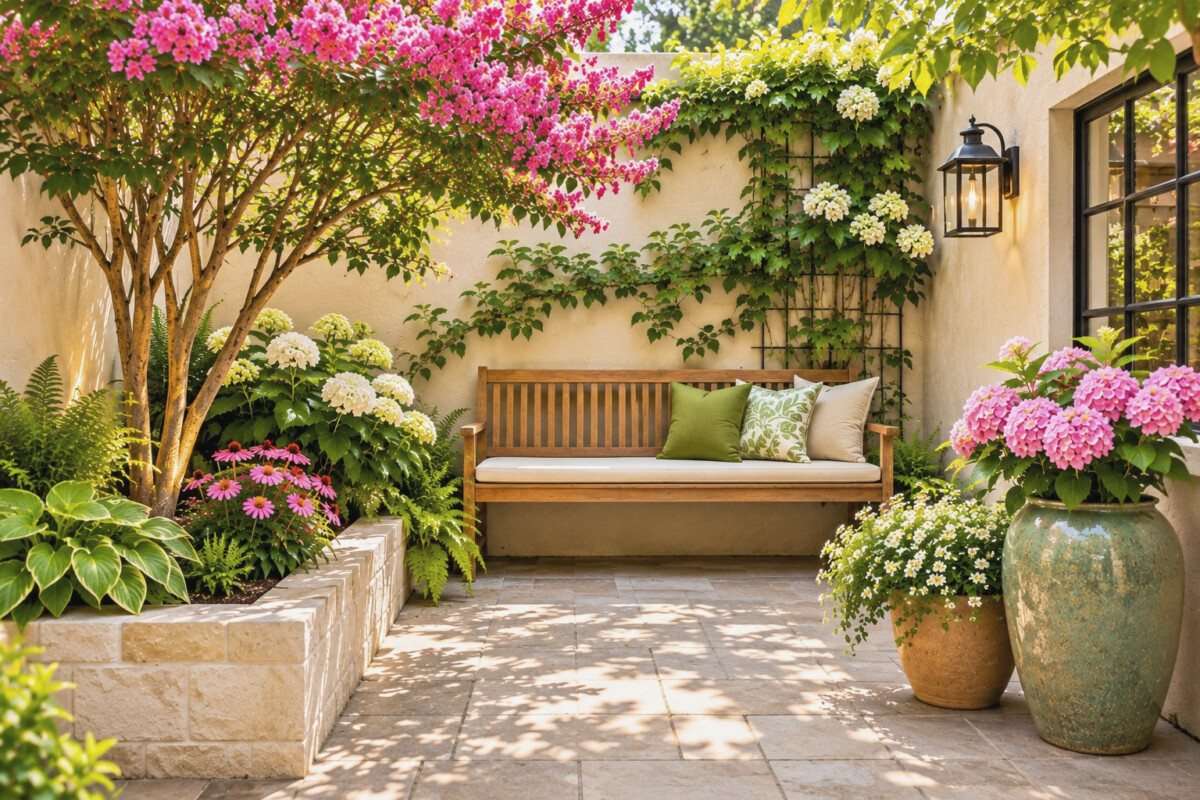
A small courtyard can feel like a private garden retreat, even when surrounded by walls and short on sunlight. The trick is to choose plants that suit the space, make room for movement, and give the garden a clear purpose before filling it with furniture.
These small courtyard garden ideas cover everything from tiny paved spaces and shaded corners to welcoming entry gardens and budget-friendly makeovers. Find a layout that fits your home, then adapt the planting and materials to your climate.
1. Build a Garden Around One Small Tree
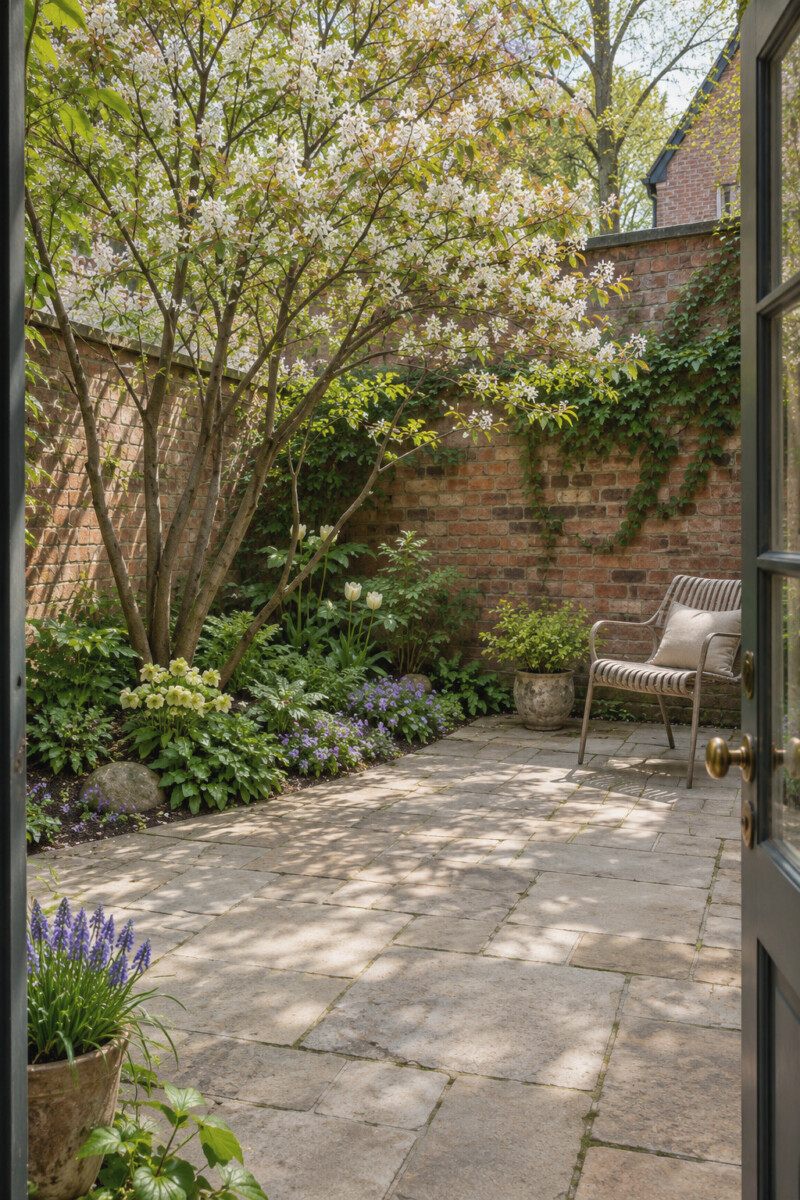
Give a square courtyard a natural focal point with one appropriately sized tree in a corner or offset planting bed. A compact serviceberry or another locally suitable small tree can provide seasonal interest without taking over the entire garden. Leave enough room for its mature canopy and roots, and keep the center open for seating or walking.
2. Create a Mediterranean Gravel Courtyard
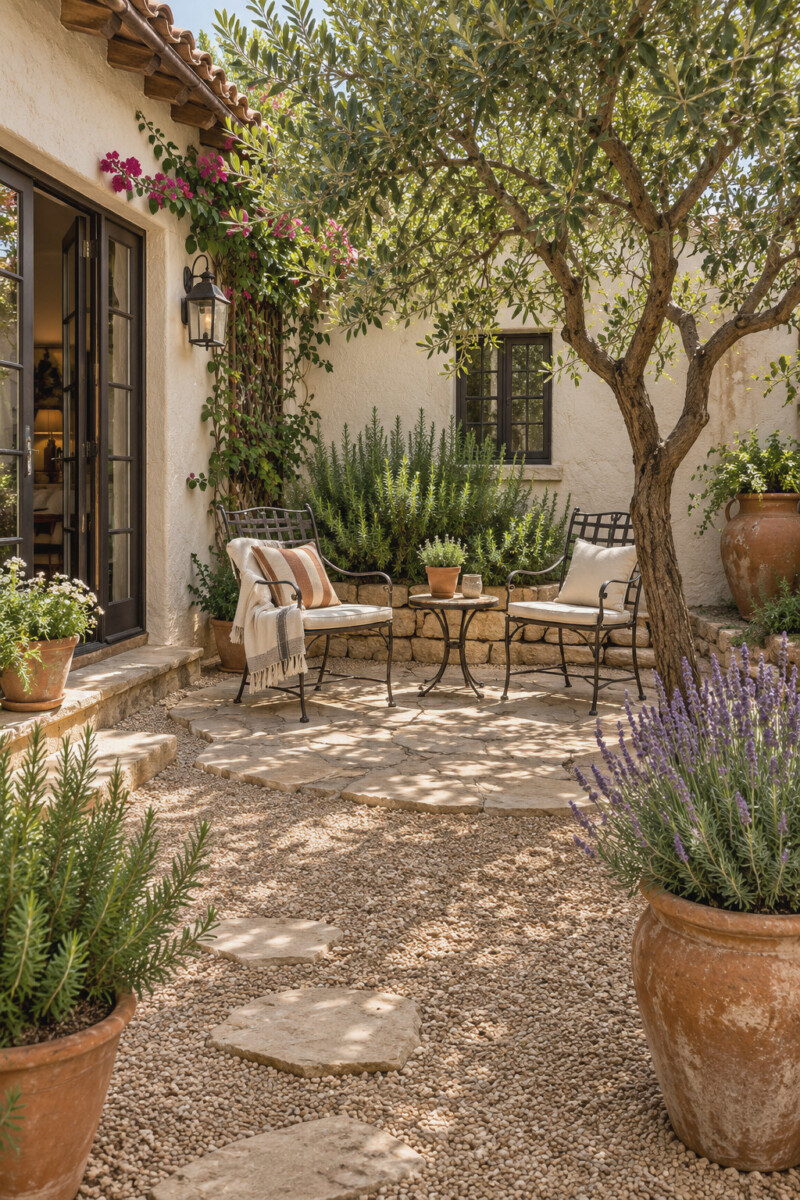
Use warm gravel, terracotta pots, and a limited selection of drought-tolerant plants to capture the feel of a Mediterranean garden. Rosemary and lavender work in sunny locations with suitable drainage. Set furniture on a firm paved pad rather than loose gravel, and choose a locally hardy small tree for height and afternoon shade.
3. Line the Edges With Raised Planting Beds
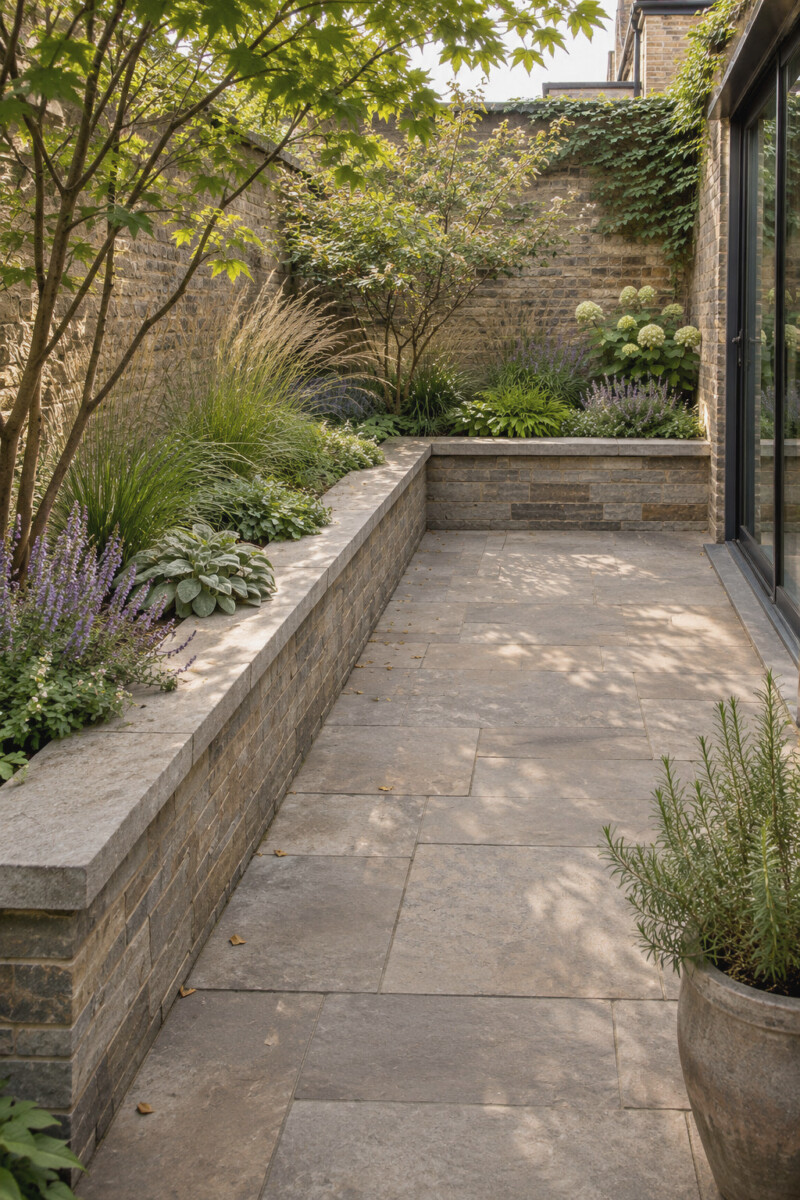
A narrow masonry planter along one or two walls creates space for greenery without breaking up the walking area. Use plants with modest mature widths so foliage does not swallow the courtyard. A capped planter edge can offer occasional seating if it is built to support that load. Plan drainage before construction.
4. Turn a Shady Courtyard Into a Fern Garden
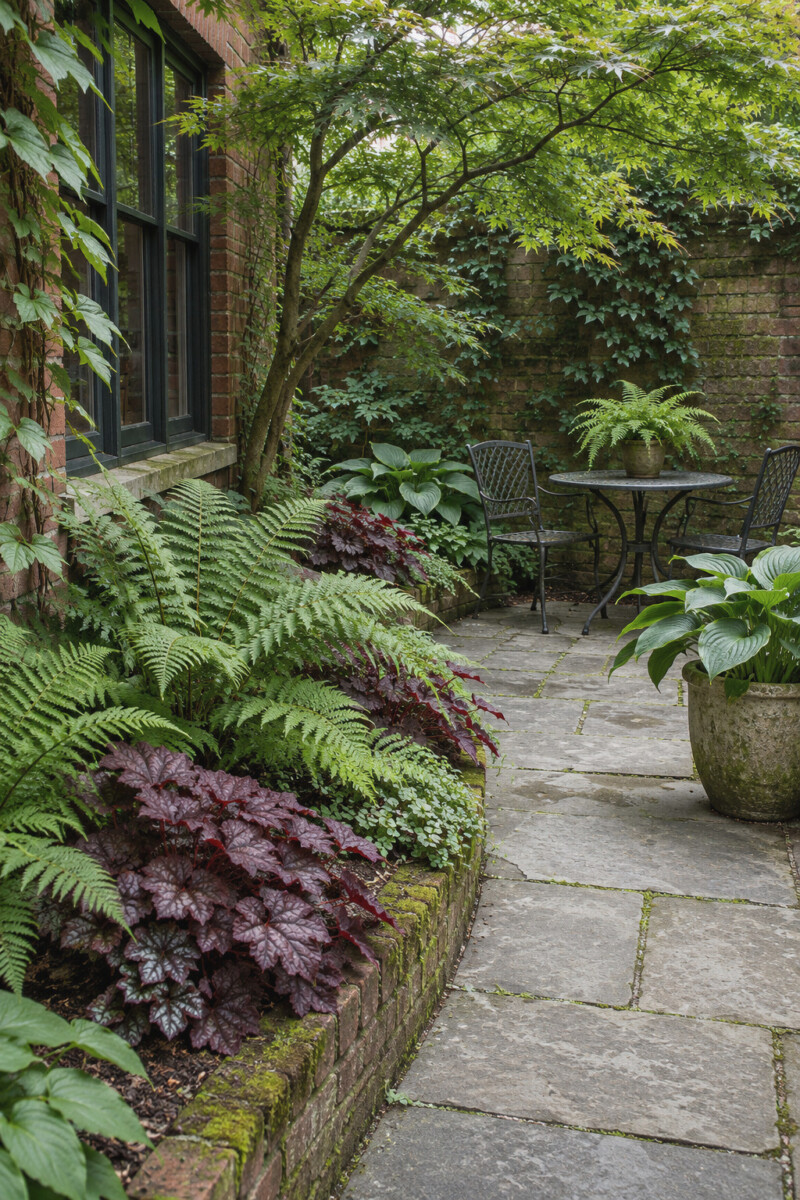
Instead of fighting the shade cast by tall walls, embrace a woodland planting scheme. Combine regionally suitable ferns, heucheras, and other shade-tolerant foliage for a mix of shapes and textures. Check moisture regularly because walls and roof overhangs can keep rainfall from reaching the soil. Pale paving can brighten the composition.
5. Train Climbing Plants Up a Trellis
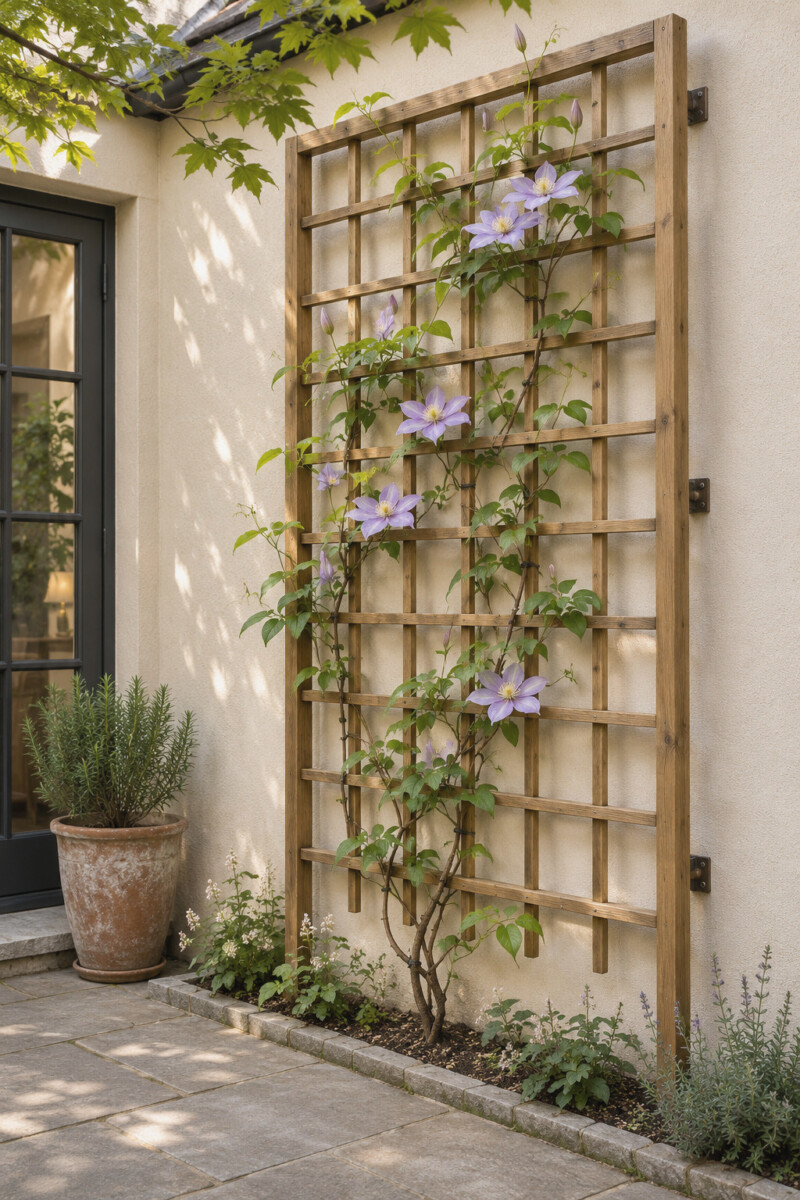
A freestanding or properly mounted trellis adds greenery without occupying much floor space. Choose a manageable climber suited to the available sunlight and your region, and leave access for pruning. Keep vines away from gutters, vents, and vulnerable masonry. This is especially useful when a courtyard has only a shallow planting strip.
6. Make a Tiny Japanese-Inspired Courtyard
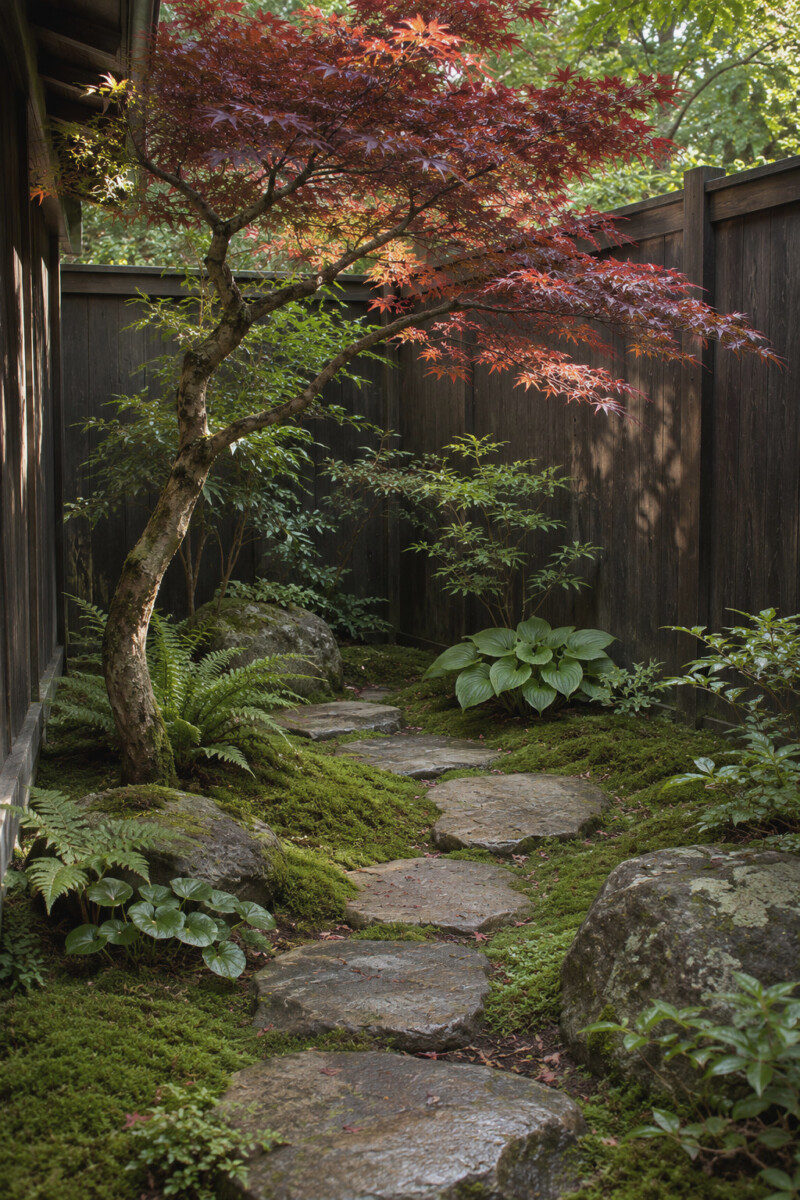
Use asymmetry, a few carefully placed stones, and a restrained planting palette instead of filling every corner. A compact Japanese maple, shade-tolerant ground cover, and a simple stepping-stone route can create a quiet composition where conditions suit them. In very hot climates, protect delicate foliage from reflected afternoon heat.
7. Add a Wall Fountain to Save Floor Space
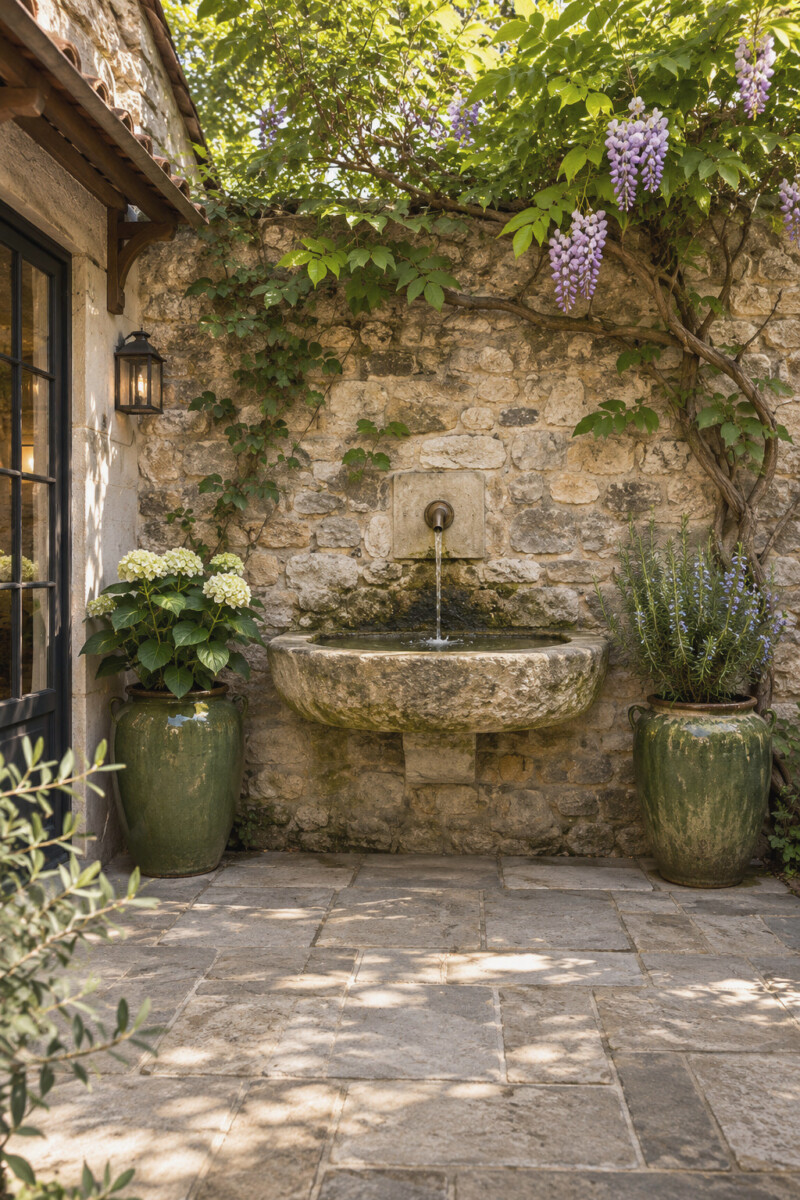
A compact recirculating wall fountain introduces movement without requiring a large pond. Choose a shallow catch basin and position the feature outside the main walking route. Use outdoor-rated electrical equipment installed appropriately, and plan for cleaning and winter protection where freezing temperatures are common. Surround it with just enough planting to soften the wall.
8. Use a Built-In Corner Bench
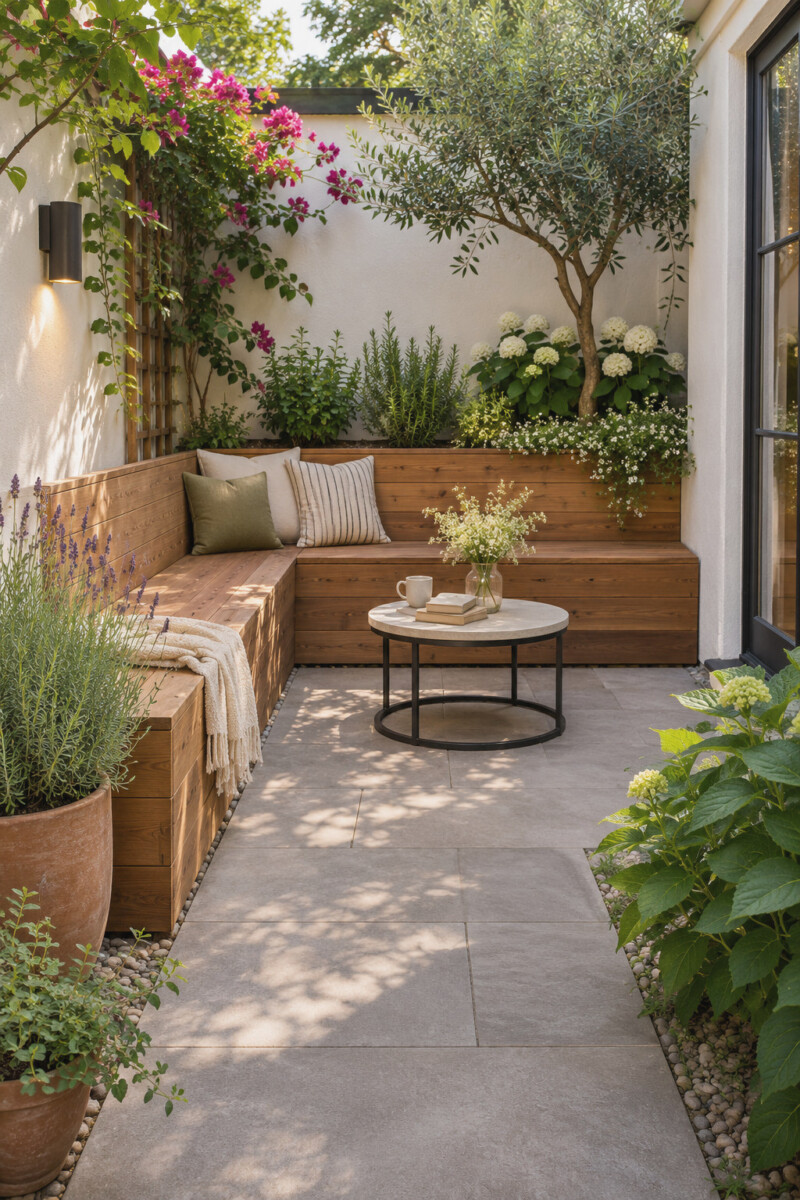
An L-shaped bench can turn a dead corner into seating while leaving more open floor than several individual chairs. Add a small movable table and weather-resistant cushions that can be stored indoors. Allow space for feet and access to nearby planting beds. A simple straight bench may fit better in an especially narrow courtyard.
9. Plant a Cottage Garden Along Brick Paths
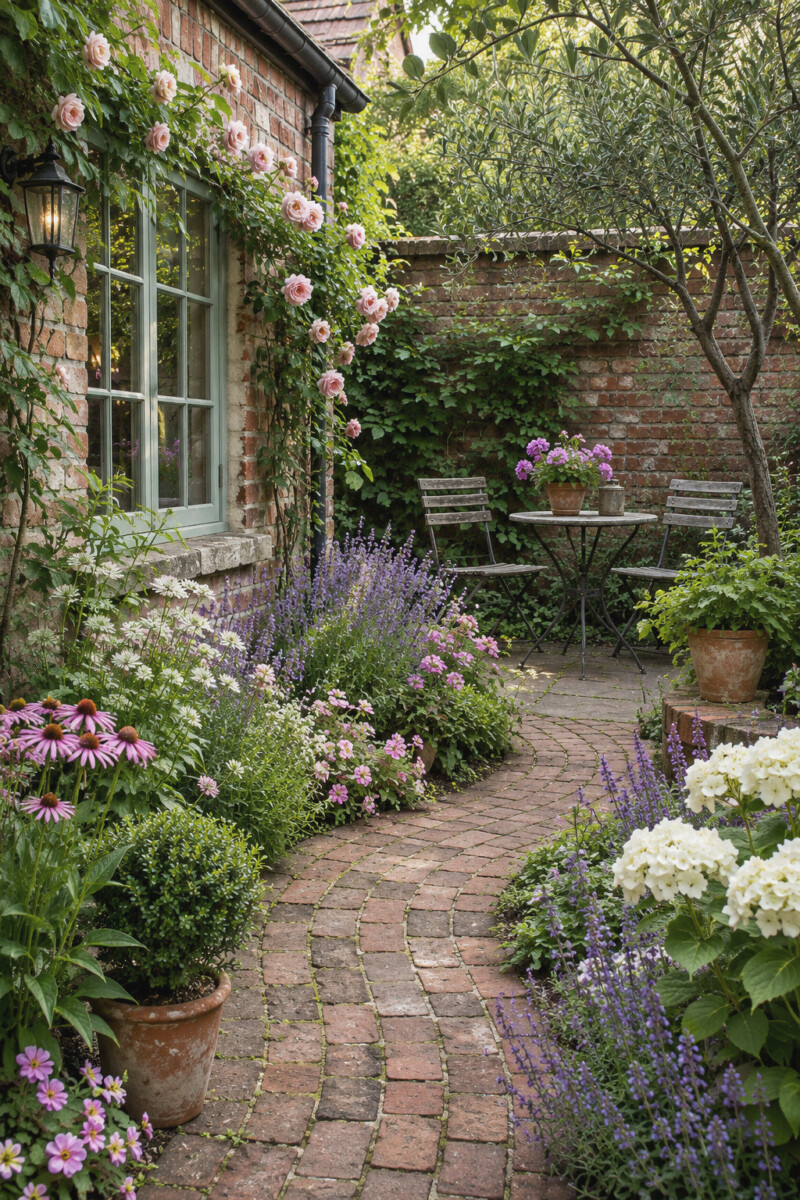
Softening brick paving with flowers gives a small courtyard a relaxed, established look. Start with a few recurring varieties rather than a separate plant in every available gap. Choose compact flowering perennials for the local climate and sunlight. Keep spreading foliage trimmed where it meets the route to doors or seating.
10. Design a Container-Only Courtyard
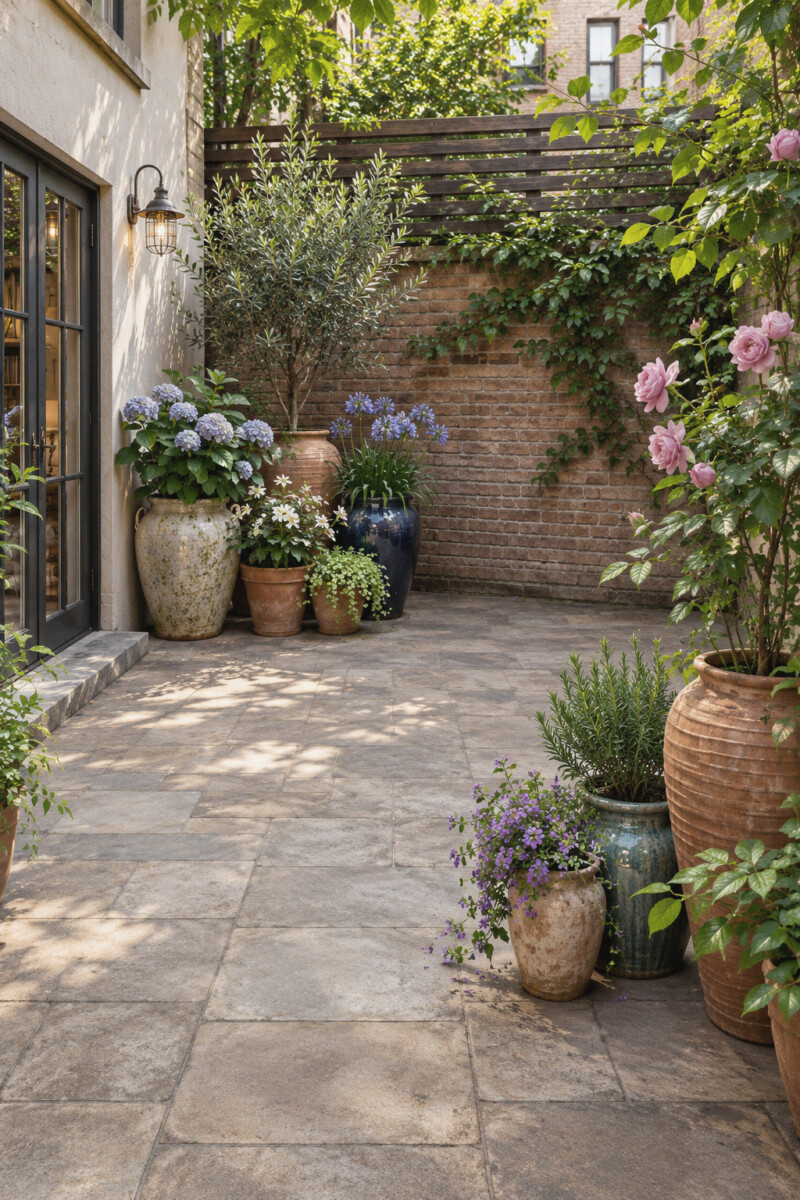
You can grow a garden on an existing paved surface without removing the hardscape. Arrange pots in two or three defined clusters, with larger containers at the back and smaller ones in front. Use drainage holes and potting mix formulated for containers. Protect sensitive paving from staining and leave drains accessible.
11. Lay Out a Narrow Courtyard With Stepping Stones
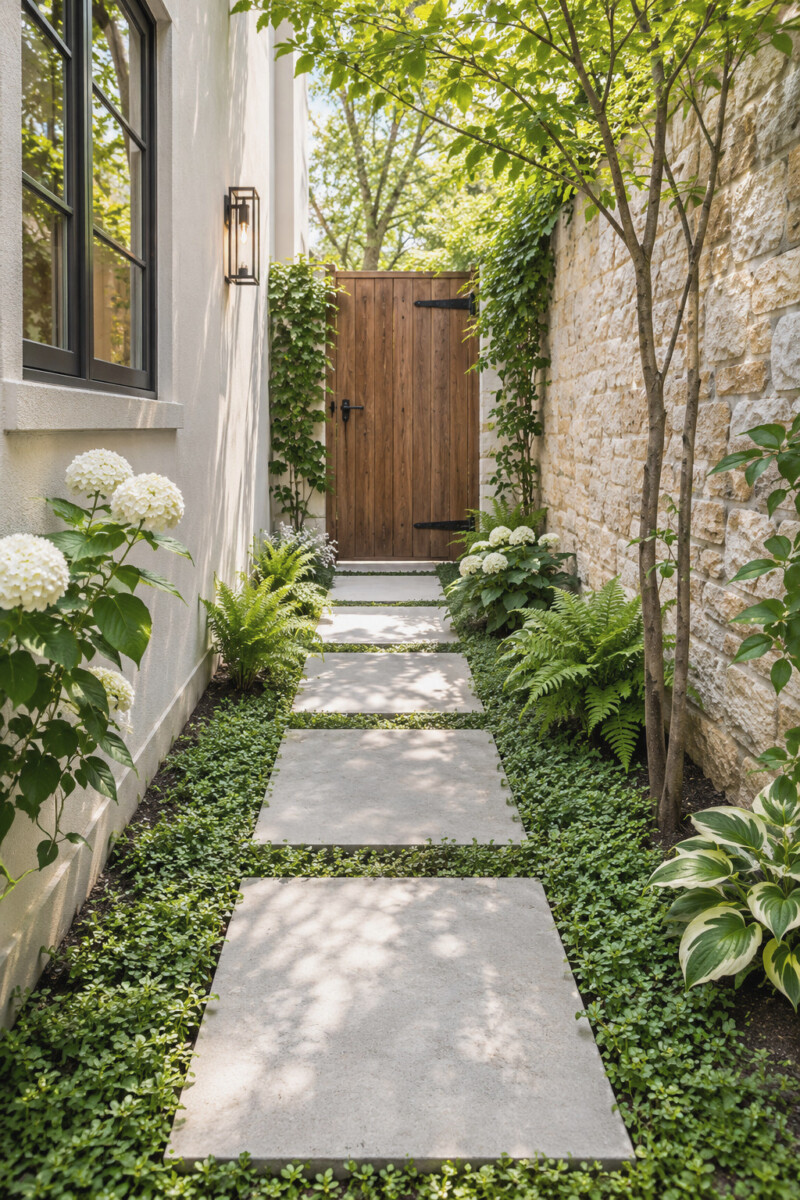
For a long, slender courtyard, establish a direct route first and let the garden develop along its edges. Broad, stable stepping stones can create rhythm through low planting, provided the surface suits the people using it. Where wheeled access or frequent foot traffic is needed, choose a continuous, even path instead.
12. Grow Herbs in a Sunny Kitchen Courtyard
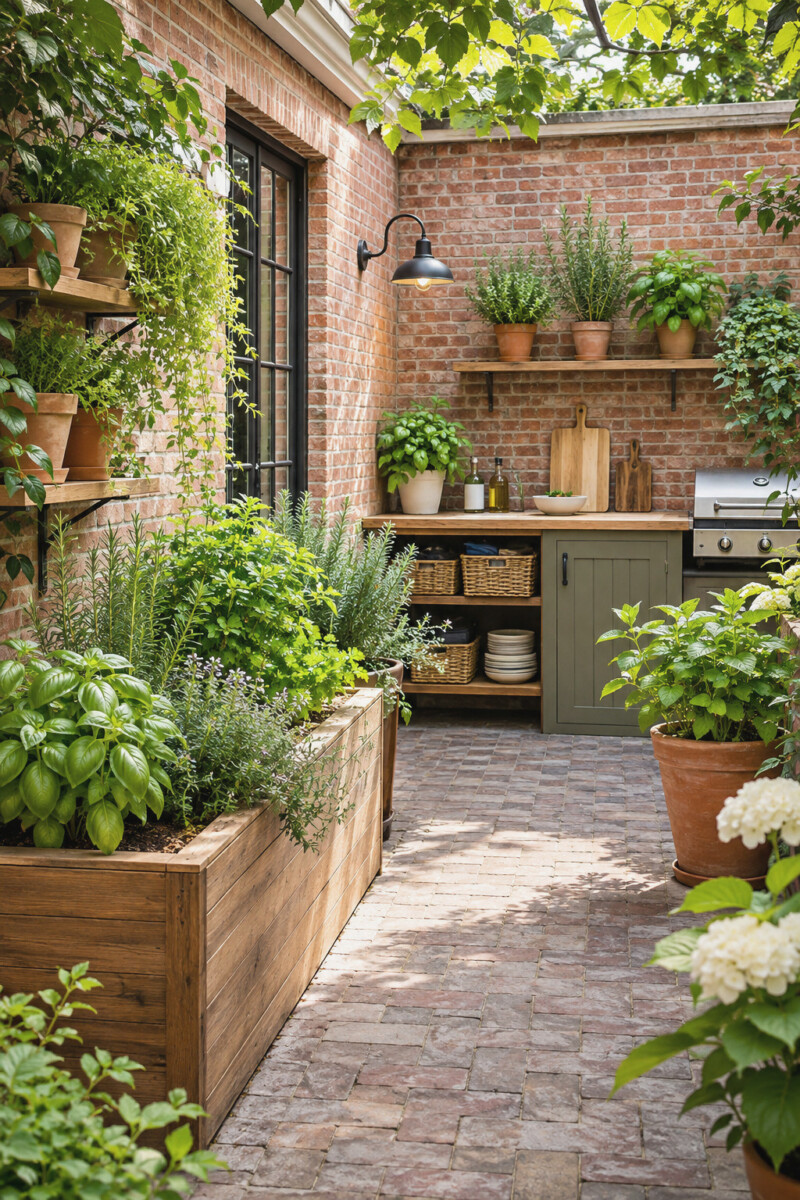
Put everyday cooking herbs close to the kitchen door where they are convenient to harvest. Use containers or a narrow raised bed for thyme, parsley, and other herbs that match the available light. Keep vigorous mint in its own pot, and separate plants that prefer different watering conditions. Leave enough space to reach each container comfortably.
13. Create a Welcoming Front Courtyard
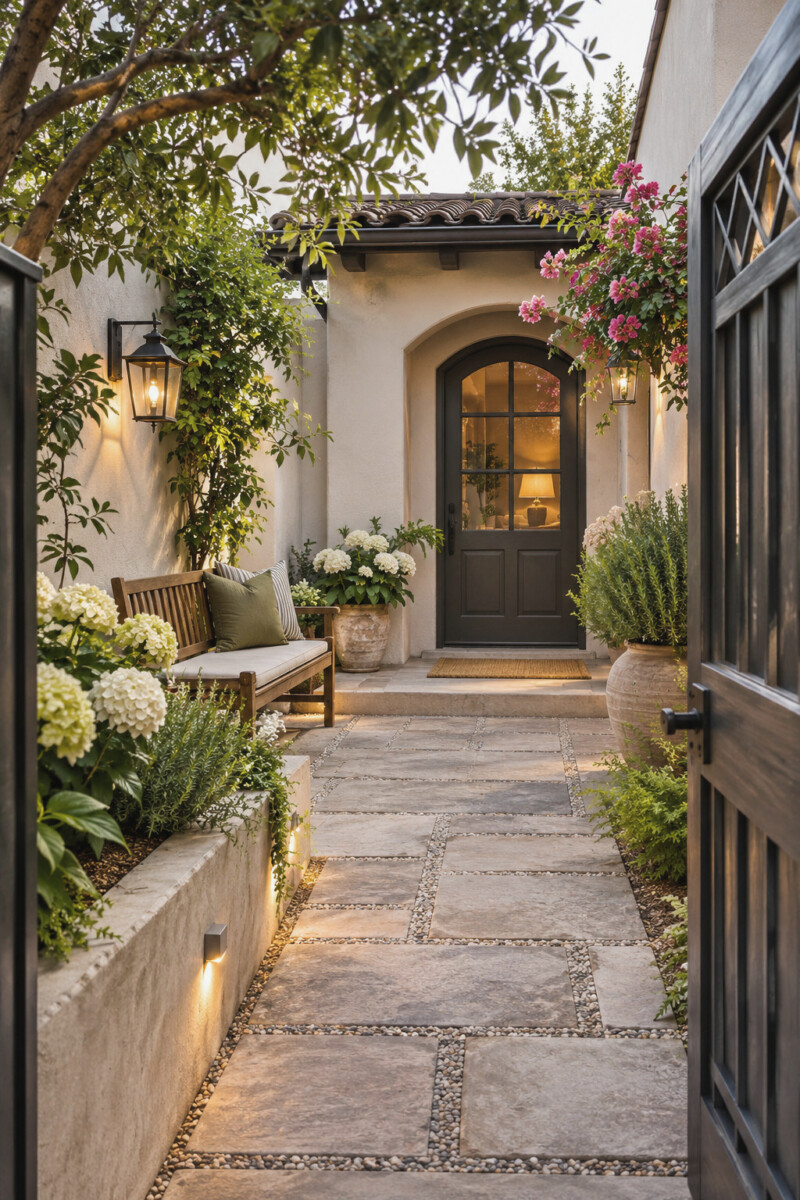
Frame the route to your front door with low planting and a pair of appropriately scaled containers. Keep the approach easy to navigate, avoiding pots that narrow the entry or interfere with door swings. A small ornamental tree to one side can soften the entrance without blocking visibility. Repeat a material from the home’s exterior.
14. Use an Espaliered Fruit Tree Against a Wall
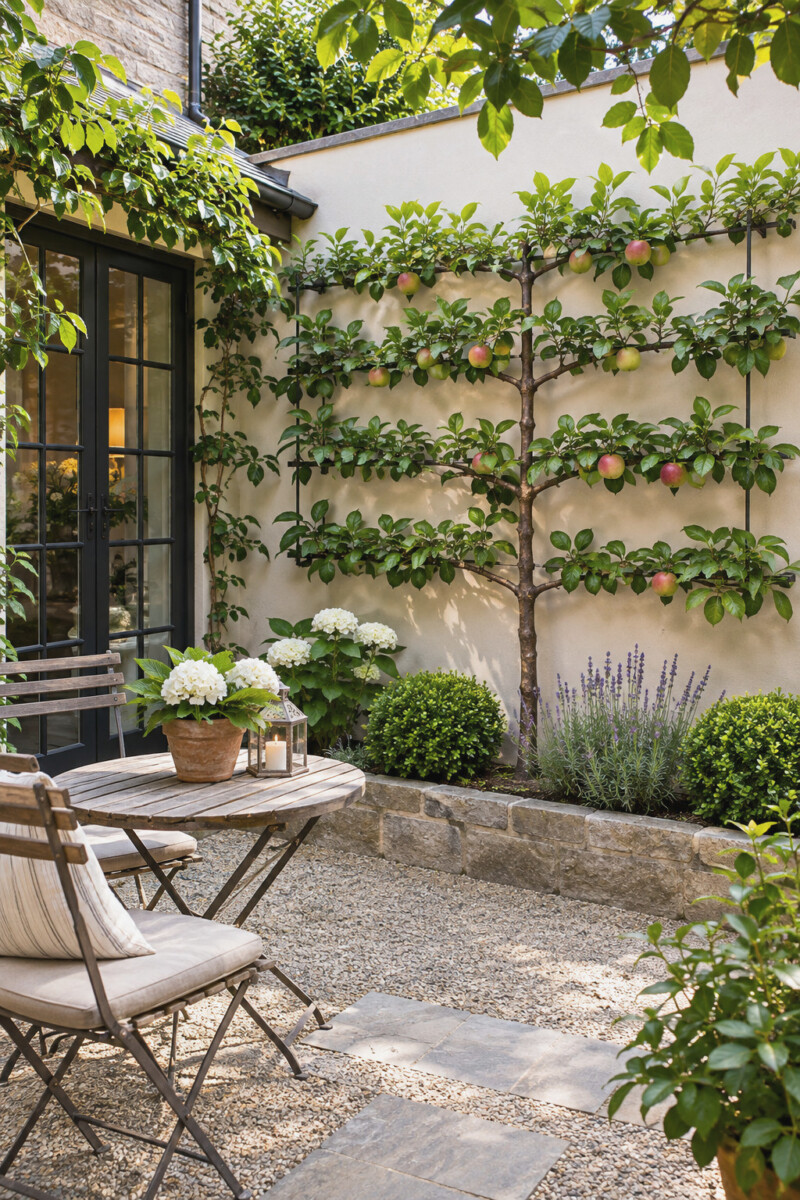
A fruit tree trained along wires can bring a productive garden into a sunny courtyard with little planting depth. Select a suitable dwarfing rootstock and variety, and check pollination requirements before buying. Provide adequate root space, sturdy supports, and regular training. The open floor remains available for a chair or small dining table.
15. Divide a Courtyard Into Two Functional Zones
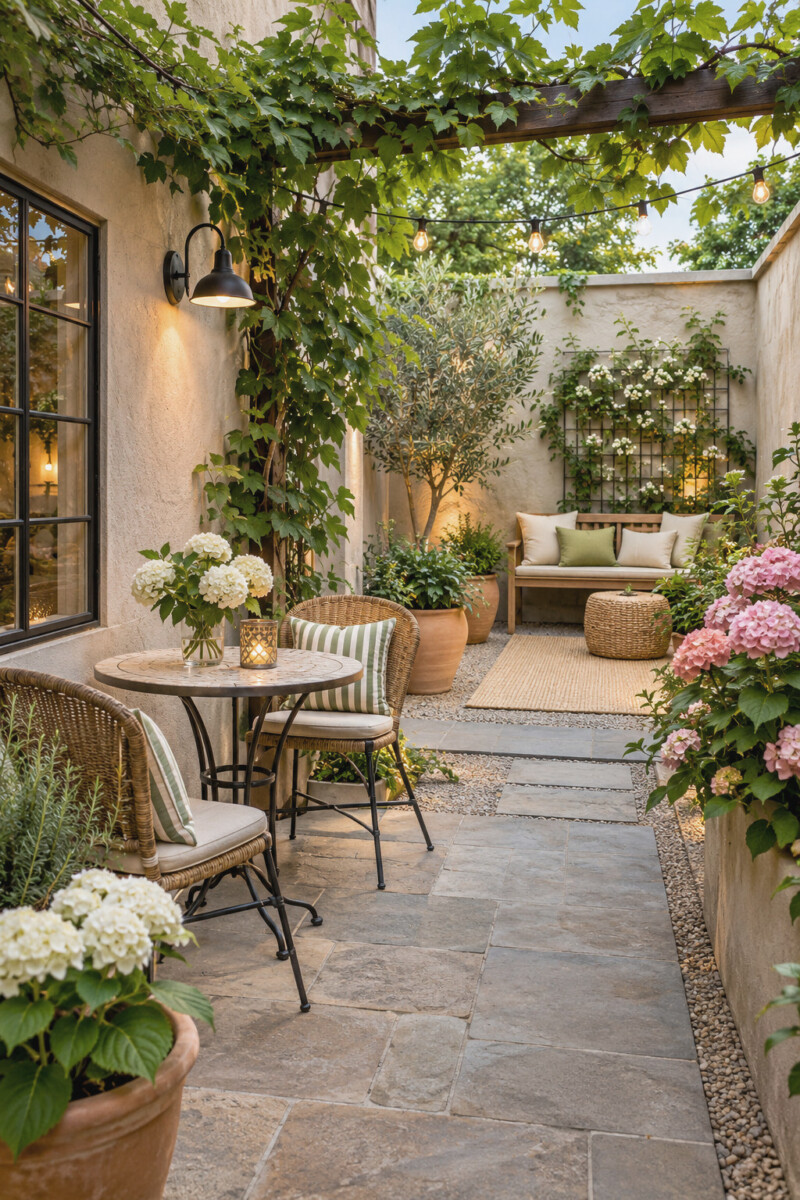
Even a modest rectangular courtyard can support two activities if each has a clearly defined footprint. Place a compact dining set near the house and a quiet garden nook at the opposite end. Use a change in planting or paving pattern rather than a solid partition. Keep the connecting walkway unobstructed.
16. Refresh a Courtyard With Painted Walls
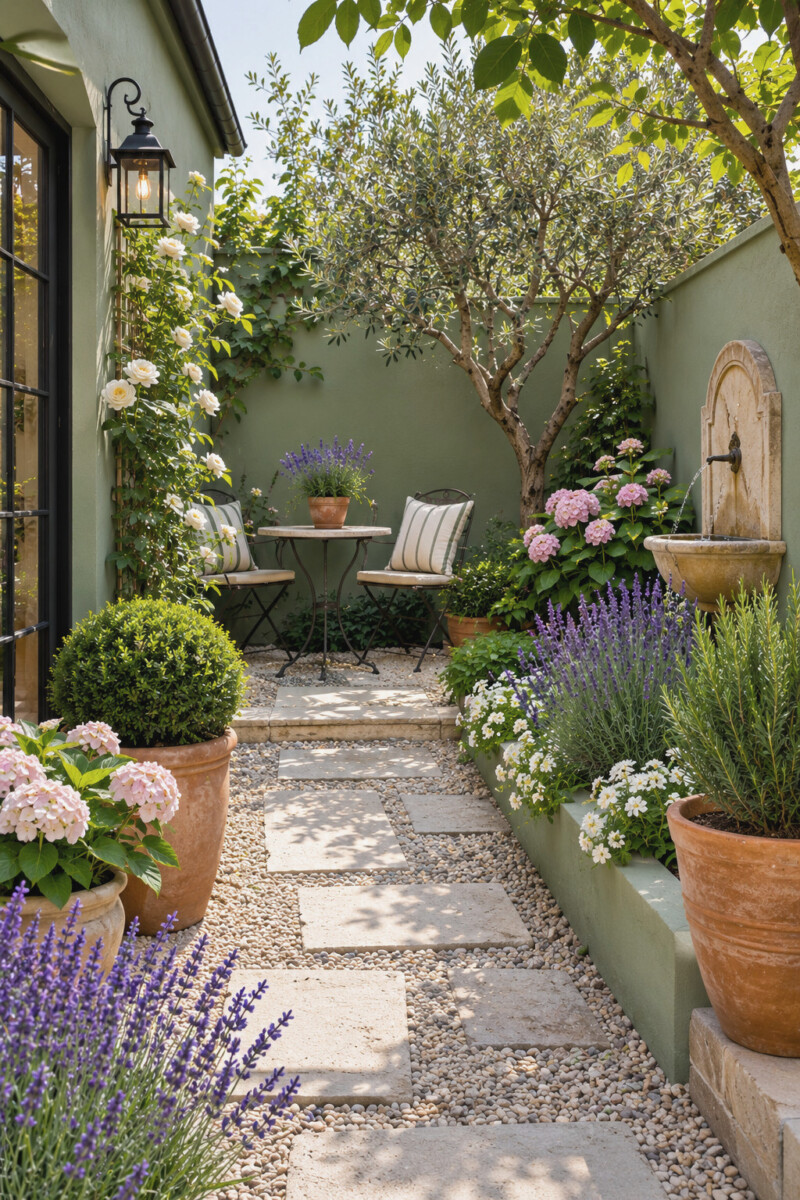
A fresh coat of exterior paint can completely change the character of an enclosed garden without altering its layout. Warm white can make a shaded courtyard feel brighter, while soft earthy colors give plants a complementary backdrop. This is one of the most accessible small courtyard ideas on a budget if the masonry is sound and dry.
17. Install a Compact Vertical Herb or Flower Wall
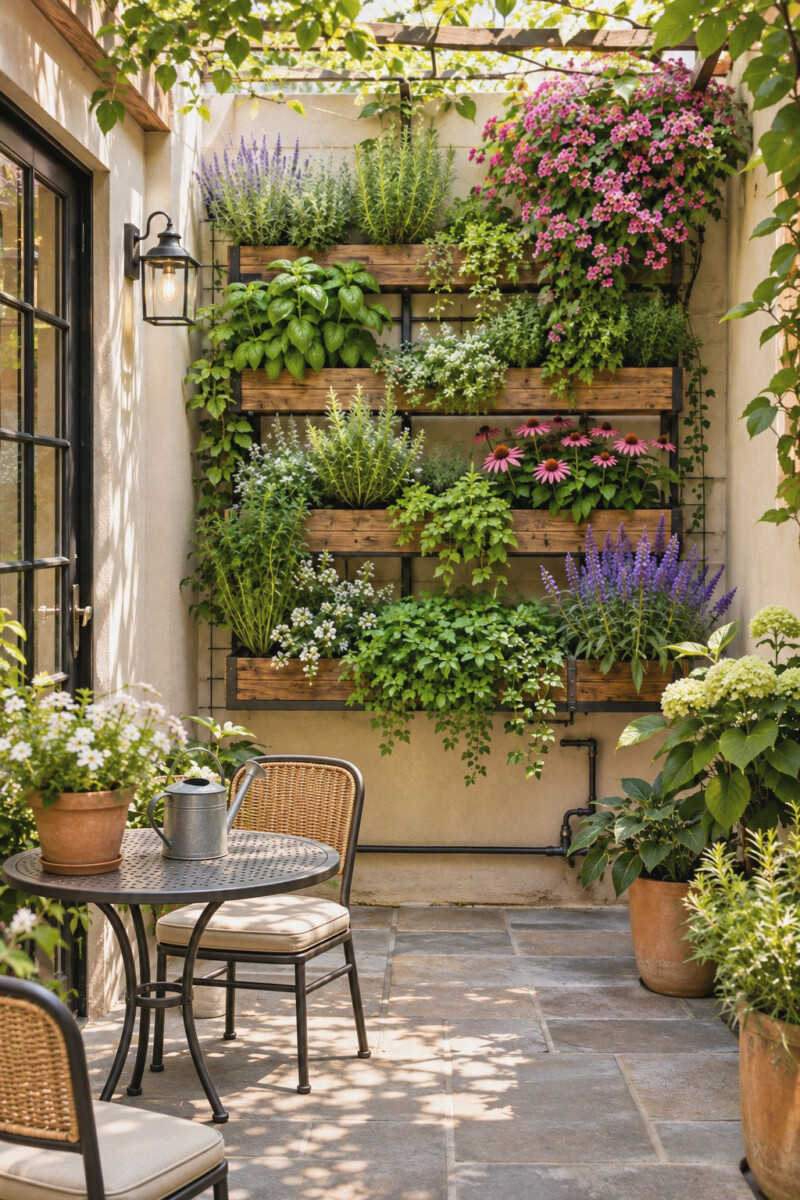
A modular wall planter suits a courtyard with almost no spare ground area. Pick a system that allows individual plants to be replaced and watered easily. Check the supporting structure, saturated weight, and runoff before installation. Use compact plants with similar moisture needs so one watering routine works across the display.
18. Build a Permeable Paver Courtyard
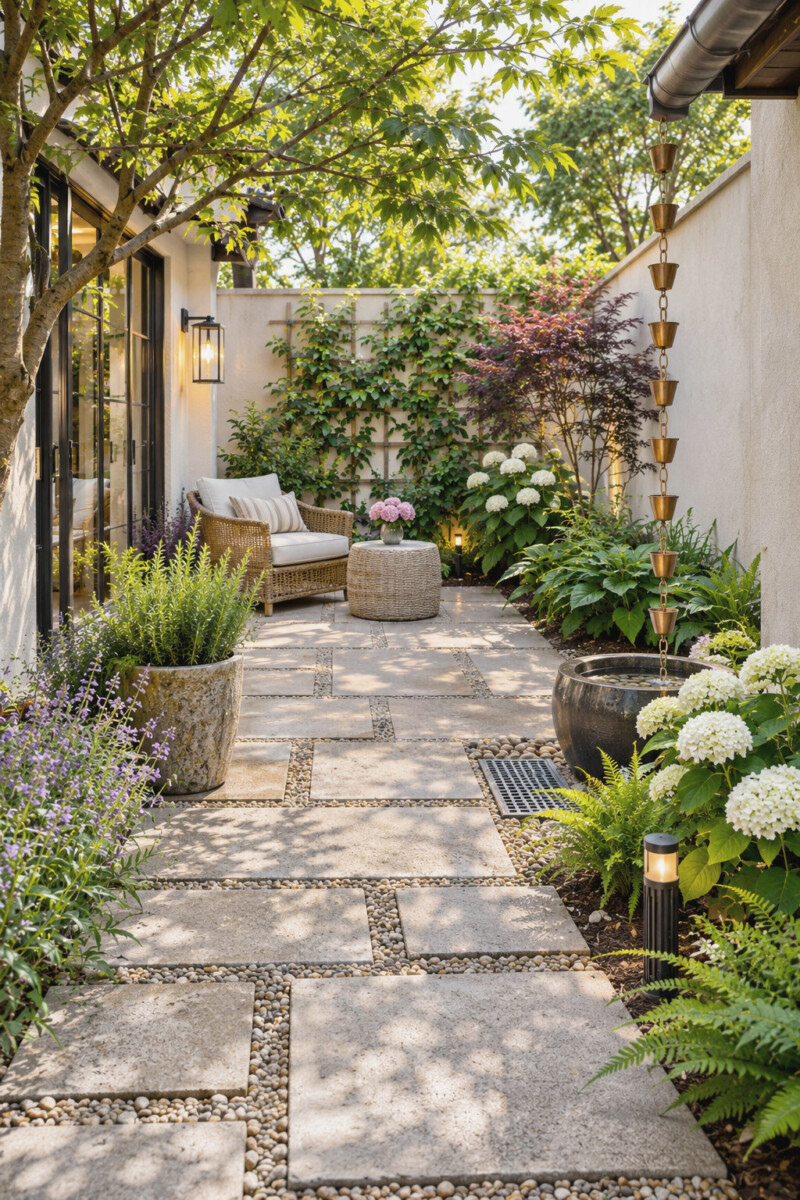
Where site conditions allow, a properly designed permeable paving system can let rain infiltrate through joints and underlying layers. The textured surface also creates visual interest without a lawn. Have drainage, soil suitability, and foundation proximity assessed before installation; permeable paving is not a universal solution for enclosed or poorly drained sites.
19. Add a Retractable Shade Sail
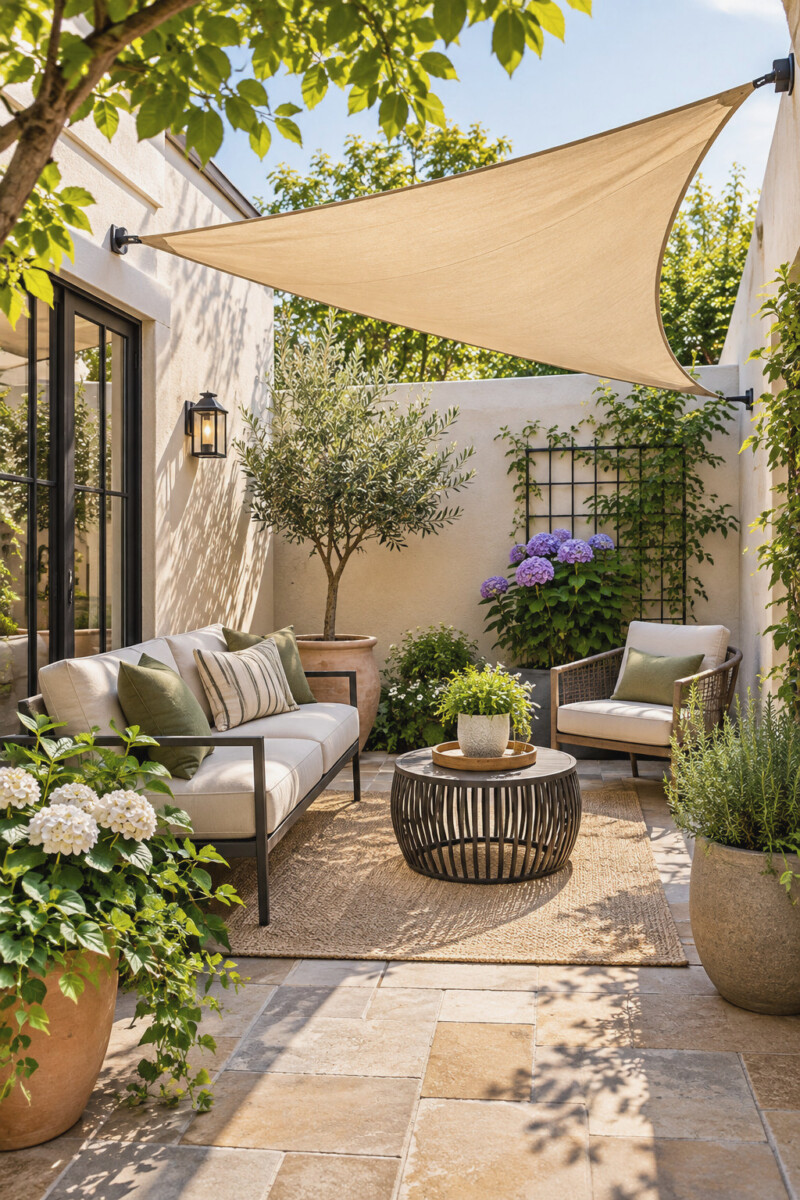
A removable or retractable shade sail can make an exposed courtyard more usable during sunny afternoons while preserving access to open sky. Choose a correctly sized outdoor system with suitable structural anchoring and follow wind and weather limits. Leave sunny areas available for plants that need direct light, rather than covering the entire garden.
20. Create a Pollinator-Friendly Pocket Garden
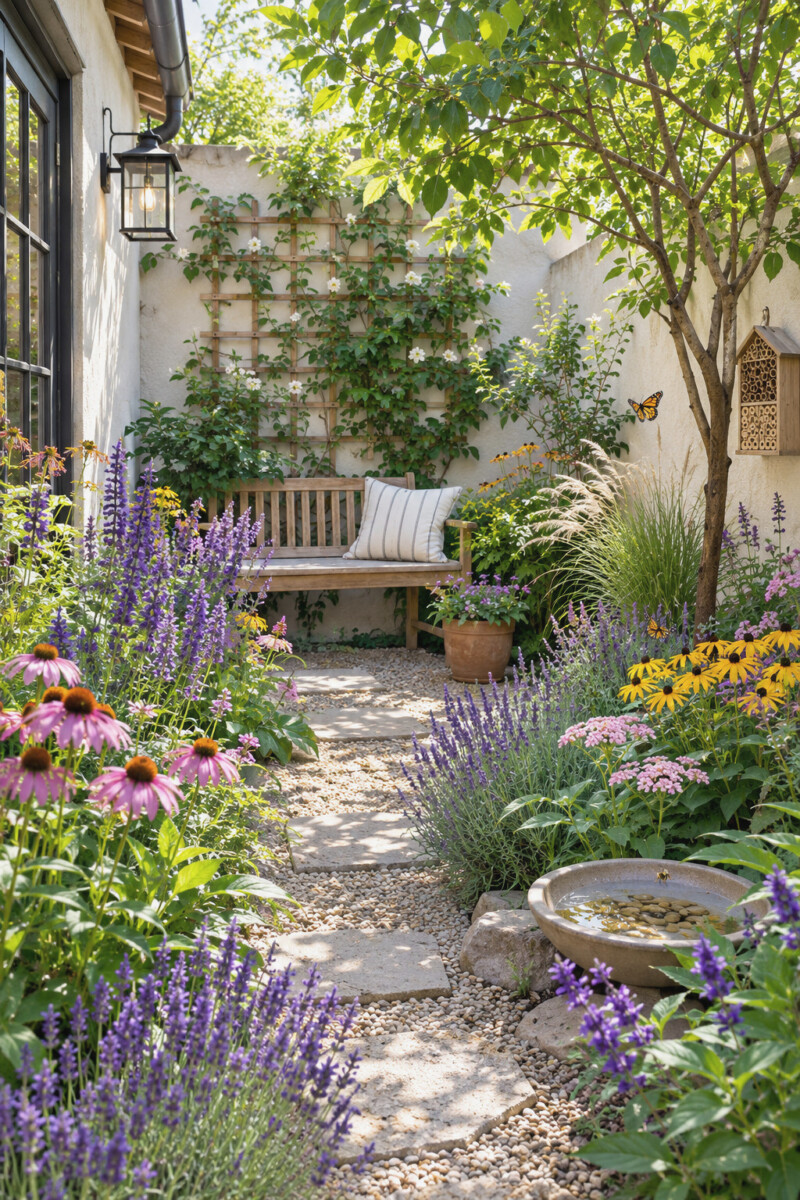
Reserve a sunny strip for flowering plants that provide nectar and pollen across different seasons. Choose compact species native to your region, such as suitable asters or coreopsis, rather than relying on a universal plant list. Leave access for maintenance and avoid routine pesticide spraying. This adds wildlife interest without sacrificing the whole courtyard to planting.
21. Make an Outdoor Reading Room
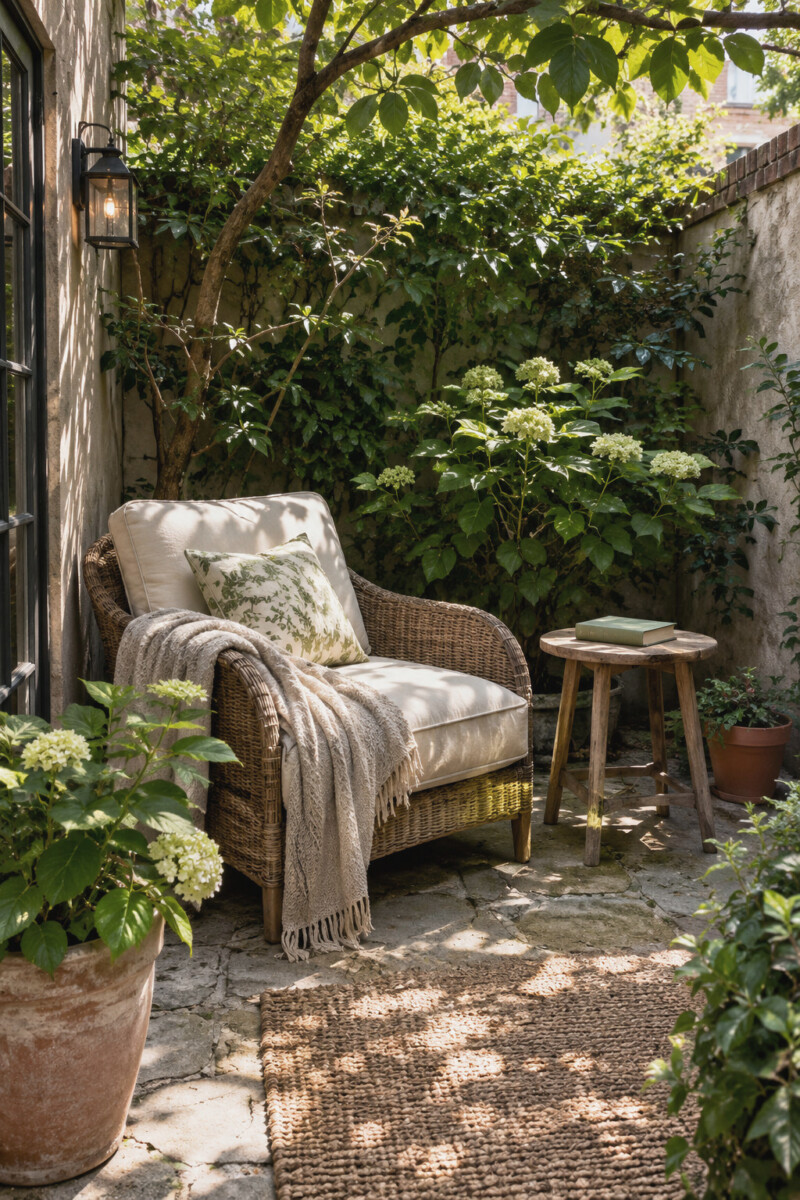
A single comfortable chair, a side table, and a leafy backdrop can turn a quiet courtyard into a reading retreat. Position the chair away from the busiest door and check how the afternoon sun falls across it. Use a tall potted shrub or an existing wall for privacy instead of adding a bulky screen that crowds the space.
22. Introduce a Small Rill or Water Channel
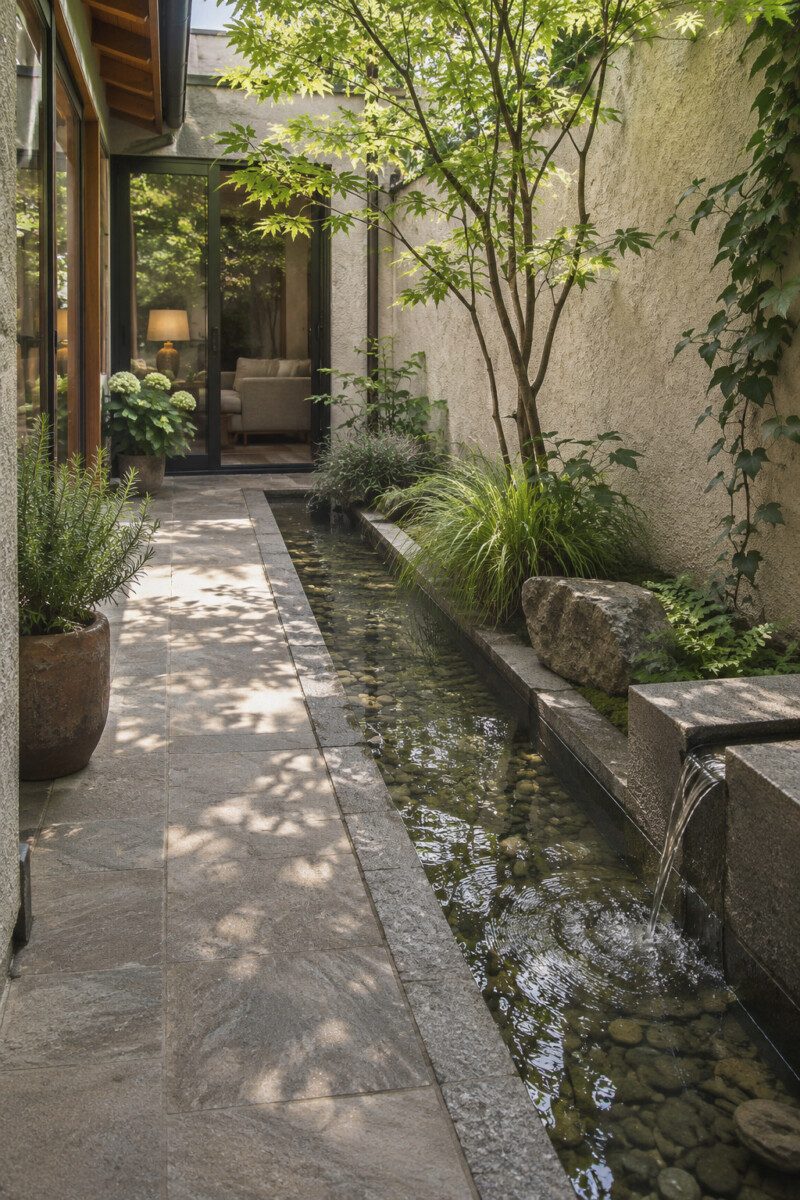
A narrow recirculating water channel can emphasize the length of a courtyard without dominating its floor plan. Run it along a wall rather than across a frequently used walkway. Account for waterproofing, maintenance, and safe electrical installation; households with young children may prefer a covered reservoir feature instead of exposed standing water.
23. Grow a Garden in a Central Planting Island
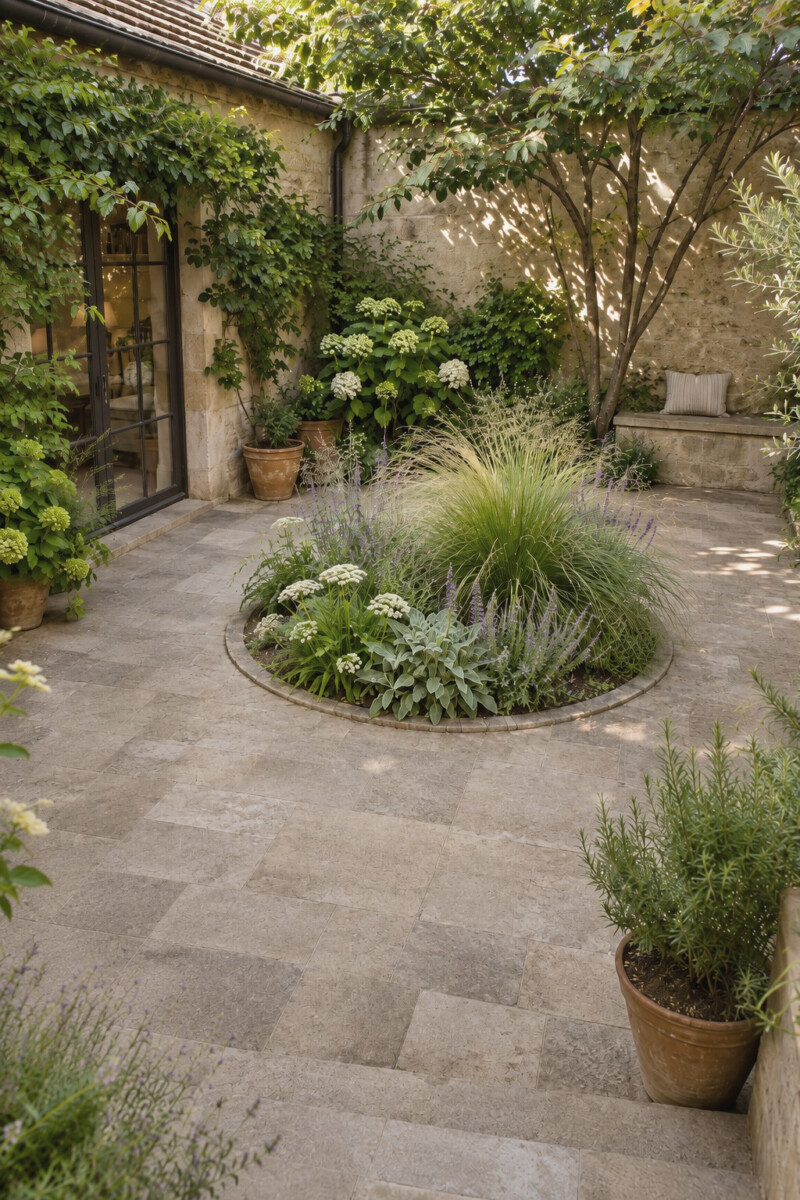
In a square courtyard with sufficient width, a compact central planting island gives the surrounding paving a sense of direction. Choose low foliage or one carefully scaled sculptural plant, then check that all routes around it remain comfortable. If space is too tight, shift the same planting composition to a corner instead.
24. Create a Warm Spanish-Style Courtyard
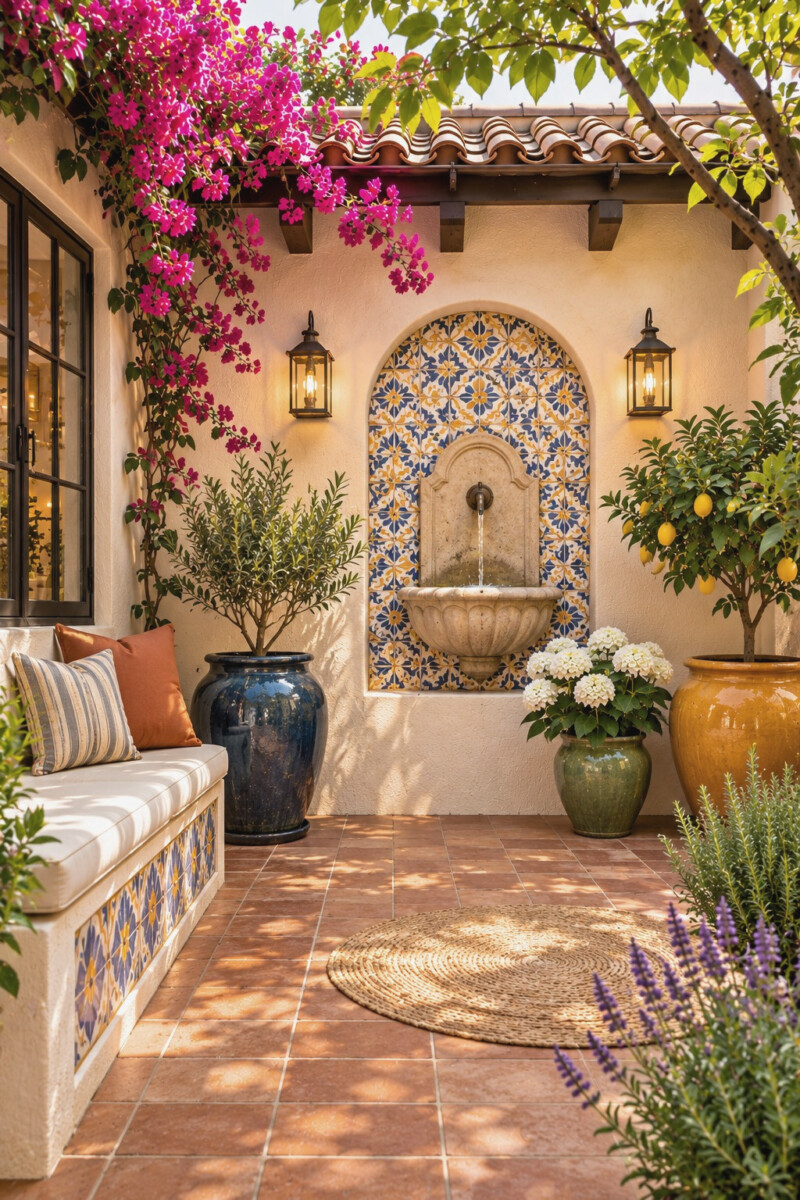
Combine warm plaster, patterned outdoor-rated tile, and a restrained palette of glazed pots for a Spanish-inspired design. Use patterned tile in a compact accent panel if the courtyard is especially small. Choose slip-resistant materials suitable for local weather and plants that thrive in the actual exposure. Let one decorative detail be the focal point.
25. Use a Slim Pergola for a Living Canopy
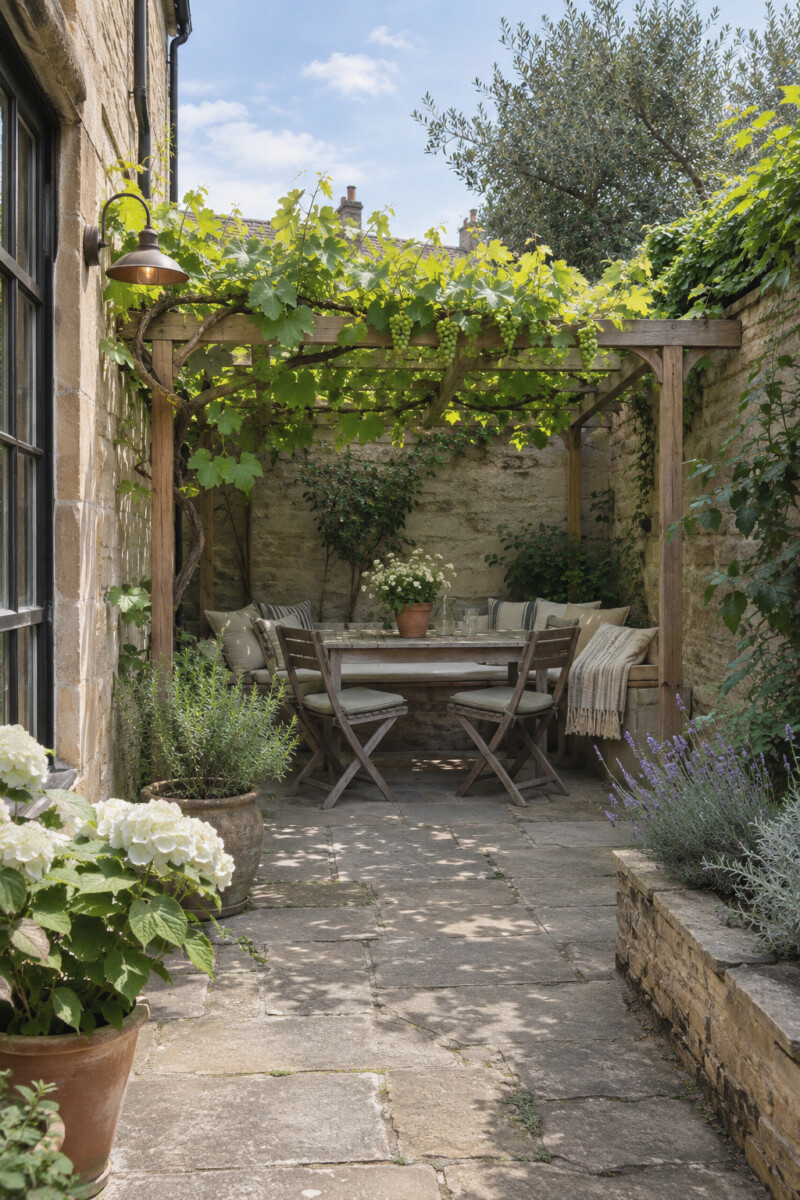
A narrow pergola over the seating end can support a trained climber and give the garden a distinct outdoor-room feeling. Consider mature vine weight, structural loads, and pruning access before building. Keep enough of the courtyard open to the sky for daylight, air movement, and plants that prefer brighter conditions.
26. Turn an Overlooked Courtyard Into a Private Retreat
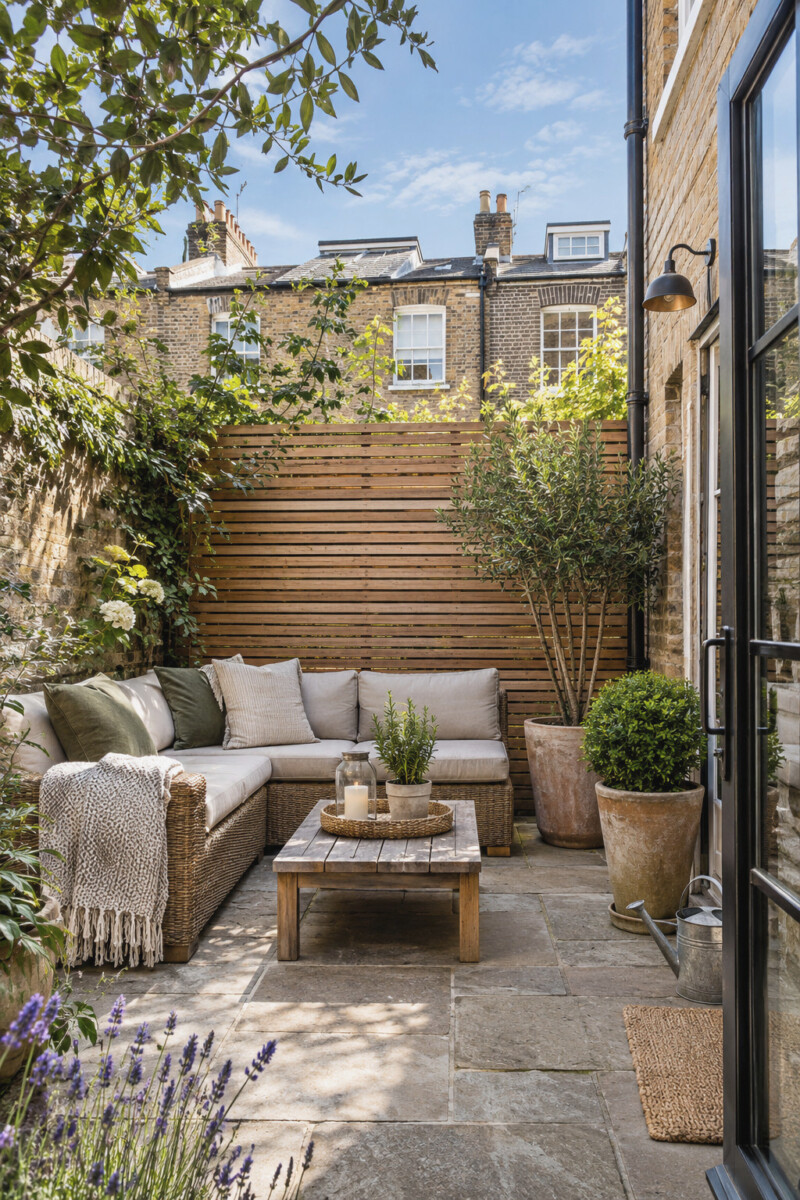
If neighboring windows look into the courtyard, identify the specific sightline before installing screening. A slatted panel, a suitable upright shrub, or a small overhead screen may be more effective than enclosing every boundary further. Check local rules and avoid blocking ventilation or daylight into adjoining rooms. Keep plants accessible for maintenance.
27. Design a Low-Maintenance Evergreen Courtyard
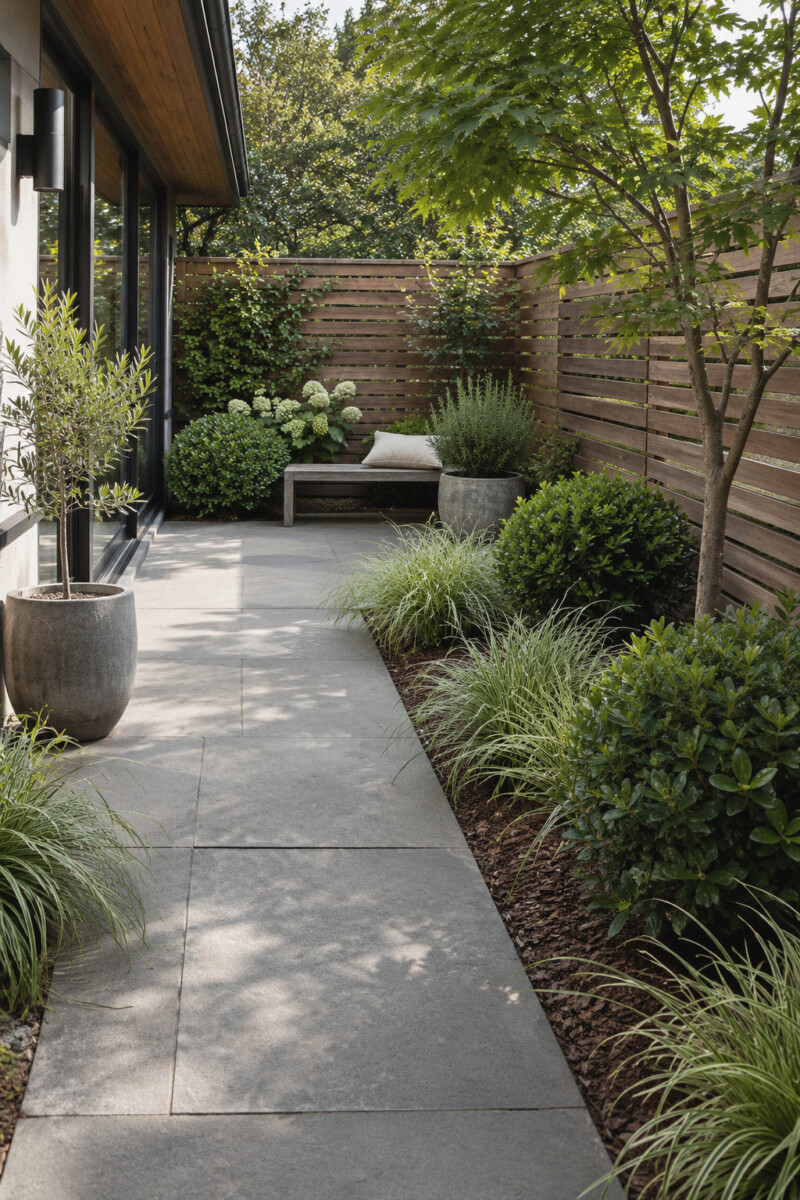
Repeat a handful of compact evergreen plants suited to your region rather than mixing many species with different care requirements. A durable paved route, mulched beds, and accessible irrigation simplify upkeep. Leave space for mature growth and choose plants that naturally fit the area instead of relying on constant shearing. Low maintenance still requires seasonal care.
28. Style a Courtyard for Evening Use
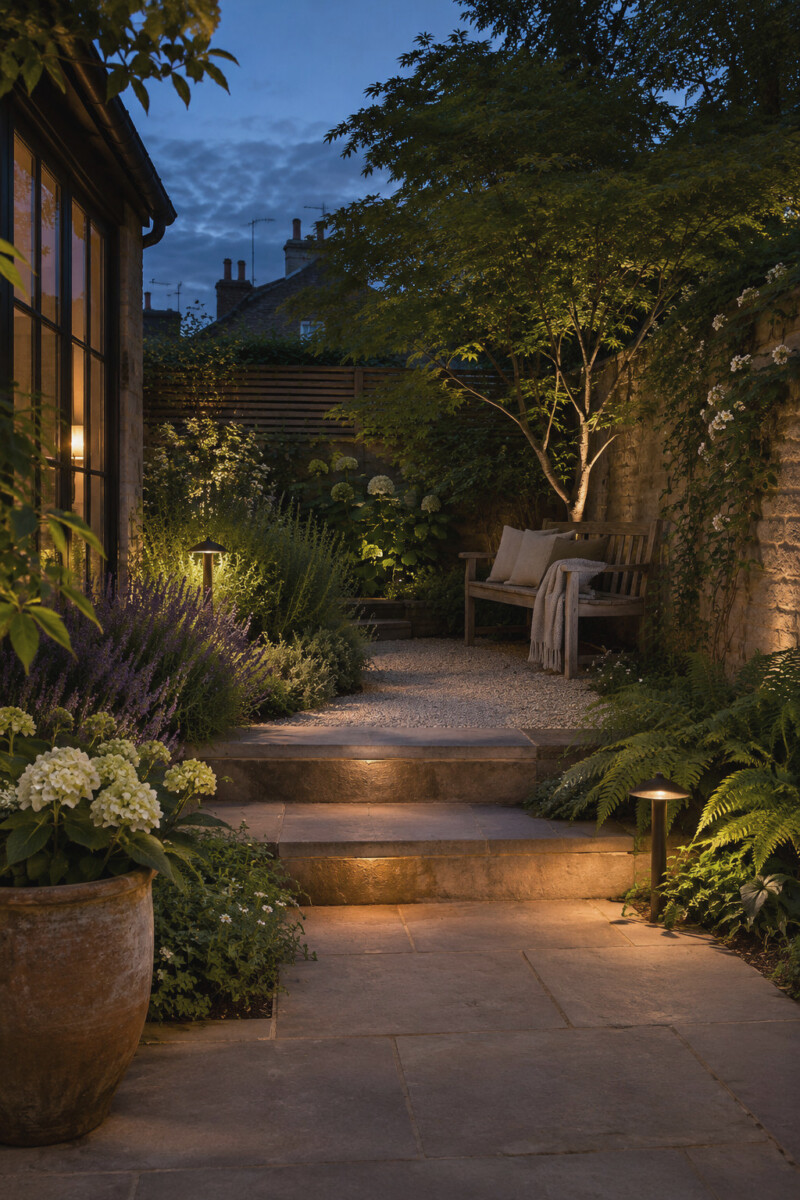
Make a courtyard enjoyable after sunset with low-glare path lighting and a softly illuminated focal plant. Use warm outdoor-rated fixtures aimed away from nearby windows and the sky. Position lights where they clarify changes in level, doors, or steps instead of outlining every plant. A few fixtures usually suit a compact garden.
29. Make a Renter-Friendly Courtyard Garden
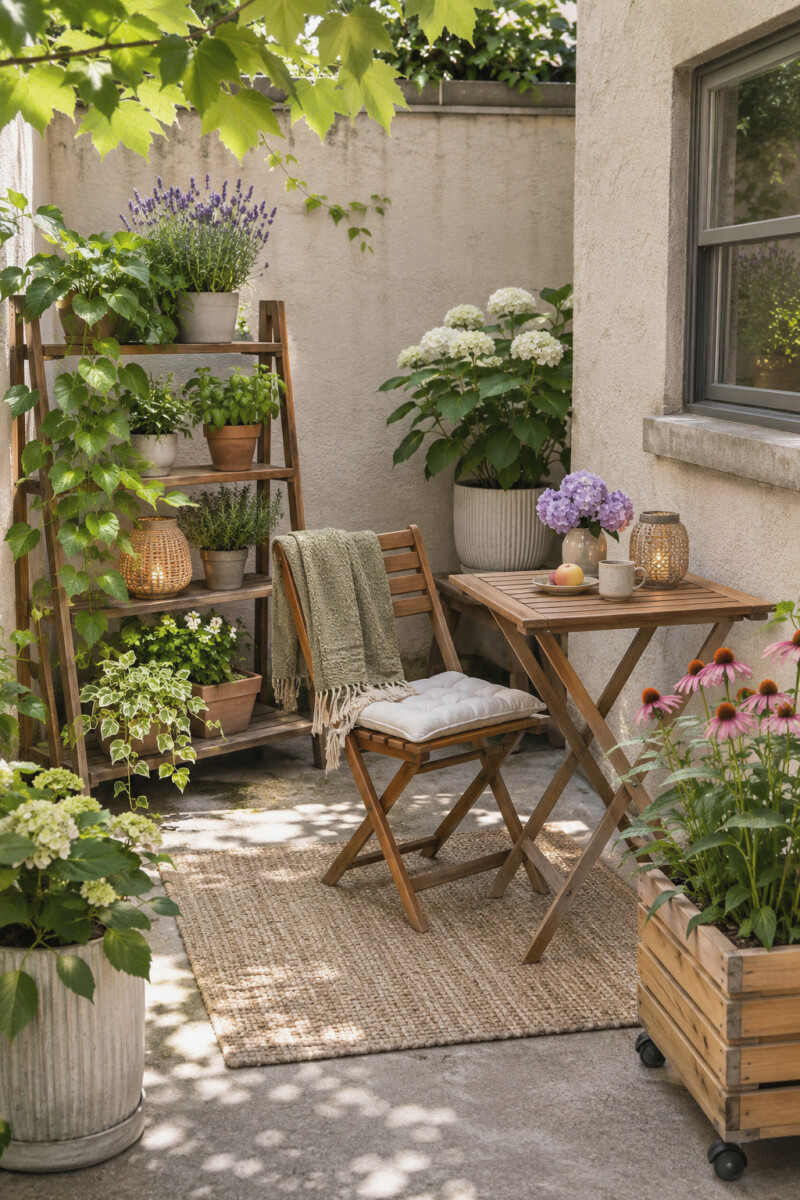
Keep changes reversible by using freestanding shelves, movable containers, and folding furniture. An outdoor rug can soften a sound, well-drained surface if it is suitable for the weather and does not create a trip hazard. Check the lease before attaching anything to walls. This approach works especially well for small enclosed courtyard ideas in rental homes.
30. Create a Garden Viewed From Inside the Home
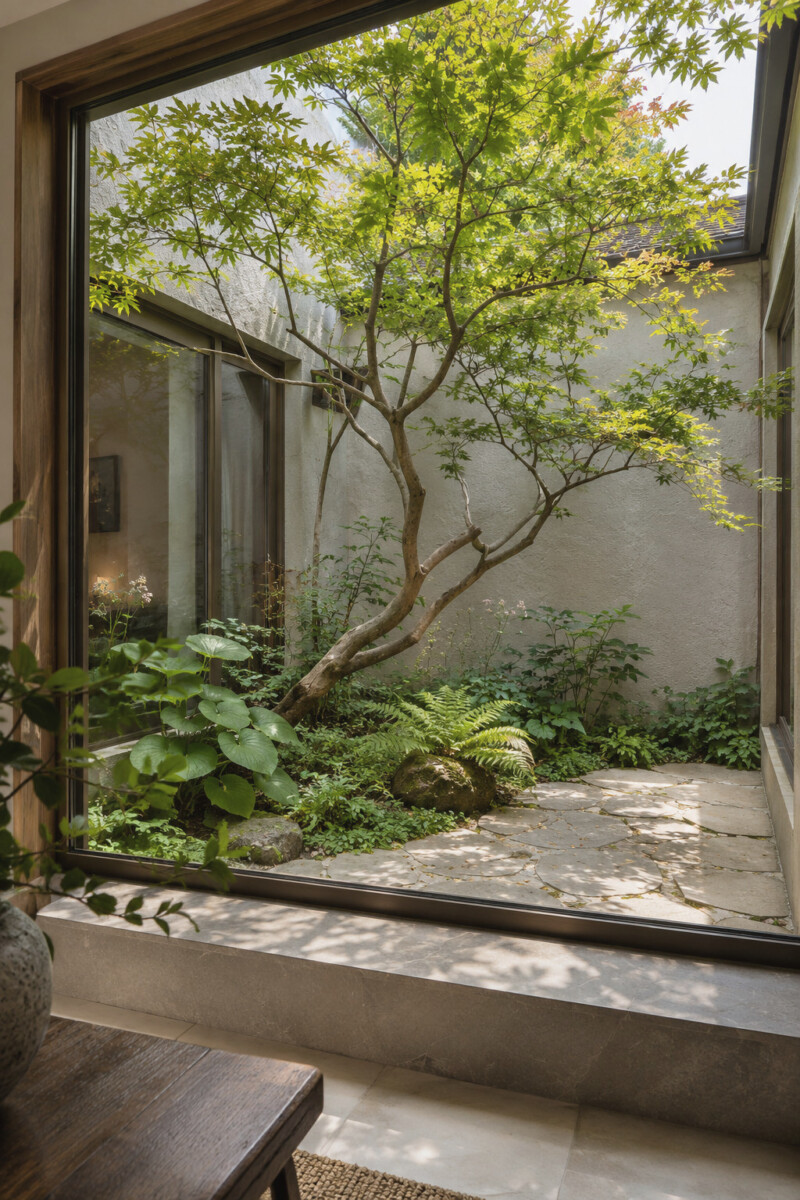
Treat an internal open-air courtyard as a living view from surrounding rooms. Arrange the most interesting planting where it can be seen through the main windows, not only from the doorway. A sculptural branch, textured foliage, and simple ground treatment can create a year-round composition. Preserve window access, drainage, and daylight indoors.
How to Plan a Small Courtyard Garden
Start with the courtyard’s actual conditions rather than its decorating style. These four decisions make the biggest difference to how the space works:
| Courtyard condition | Design priority |
|---|---|
| Sunny and exposed | Provide seating shade and choose heat-tolerant plants. |
| Shaded by tall walls | Use suitable foliage plants and lighter surfaces. |
| Narrow or used as a passage | Reserve a continuous route before adding furniture or pots. |
| Fully paved or rented | Use movable containers and protect existing drains. |
| Viewed mainly from indoors | Create a strong focal point facing the main window. |
Measure the space and mark the footprint of furniture on the ground before buying it. Include door swings, chair pull-out space, drain covers, and maintenance access. A single well-proportioned seating arrangement is often more useful than several crowded features.
Observe sunlight in the morning and afternoon, and remember that it changes throughout the year. Check where water goes after heavy rain before installing planters, paving, or a fountain. If water pools against a building or enters a doorway, resolve the drainage issue first.
What Plants Work Best in a Small Courtyard?
For a sunny courtyard, consider compact ornamental grasses, herbs, and flowering perennials adapted to your local climate. For shade, look at regionally suitable ferns, heucheras, and shade-tolerant sedges. Select trees and shrubs by their mature dimensions rather than their nursery size.
Container plants need a suitable potting mix, drainage holes, and regular watering checks. Even a shady courtyard may dry out beneath roof overhangs. The Colorado State University Extension guide to container gardens provides more guidance on container selection, growing media, and plant care.
Frequently Asked Questions
How can I make a small courtyard look bigger?
Keep the main floor area visually continuous, repeat a few materials, and concentrate greenery along selected edges. Use vertical planting where appropriate, but leave open wall space and a clear route so the courtyard does not feel crowded.
How do I design a courtyard garden on a budget?
Keep sound existing paving, repaint suitable walls, reuse containers with drainage holes, and buy a few plants that can mature into the space. A folding chair or secondhand outdoor bench can be enough to make the garden usable. Prioritize drainage and repairs over decorative purchases.
Can I have a courtyard garden without grass?
Yes. Paving, gravel in suitable locations, raised beds, and containers can provide a garden setting without a lawn. Choose ground surfaces according to drainage, accessibility, and how the courtyard will be used.
What is the difference between a courtyard and a patio?
A courtyard is an outdoor space enclosed or substantially bordered by walls or buildings. A patio is a surfaced outdoor area for sitting or dining and may be completely open. A courtyard can contain a patio, but its surrounding walls influence shade, privacy, airflow, and planting choices.
A successful small courtyard garden does not need to include every feature on this list. Choose one main function, solve the site constraints, and build a cohesive garden around it. The best small courtyard design ideas leave enough room to enjoy the space as well as admire it.
