Table of Contents
In our fast-paced modern world, the rhythmic hum and tumble of the electric clothes dryer has become a familiar soundtrack in millions of households. It is undeniably convenient, offering warm, dry laundry in a matter of minutes. However, this modern luxury comes with hidden costs—not just to your wallet, but to the environment and the longevity of your favorite garments. As more people look for sustainable, mindful ways to manage their household chores, a forgotten practice is making a major comeback: air-drying laundry.
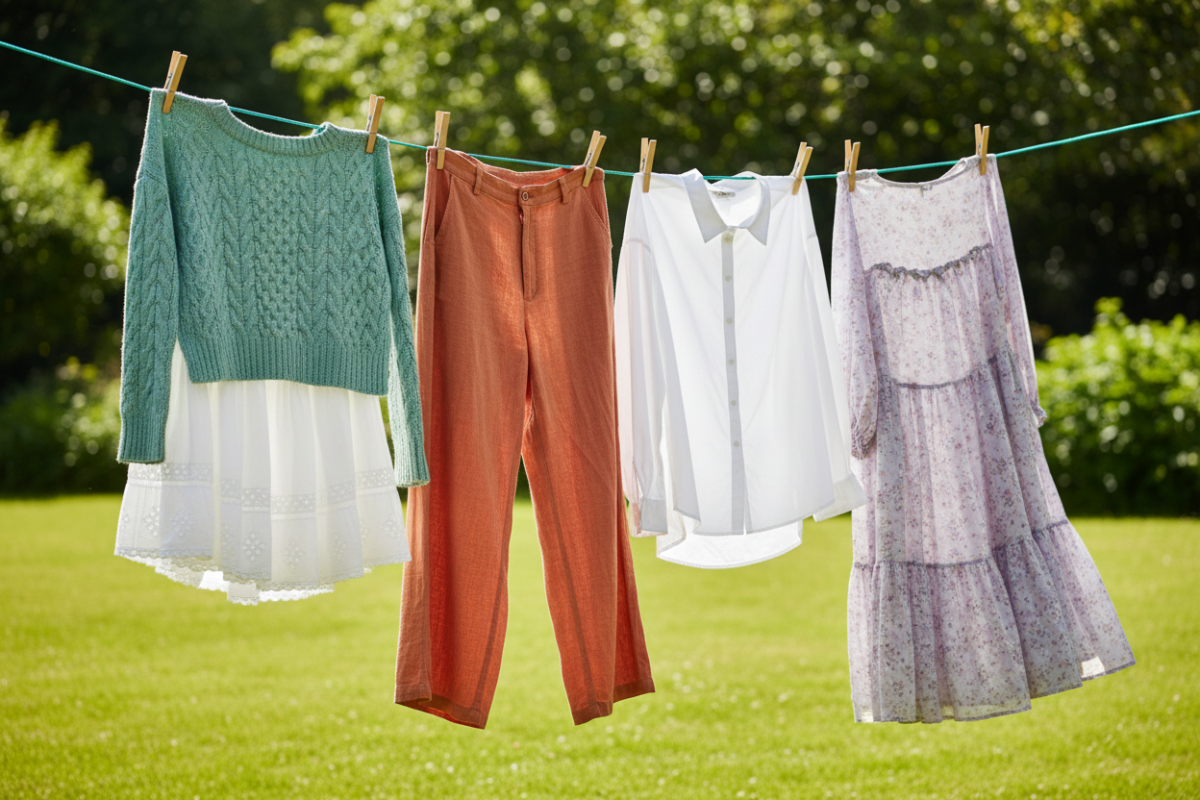
Whether you string a clothesline across your backyard, set up a wooden rack on your balcony, or utilize indoor drying systems, the benefits of line drying clothes are vast and transformative. From shrinking your carbon footprint to preserving the elasticity of your favorite jeans, ditching the dryer is one of the simplest and most effective lifestyle changes you can make. In this comprehensive guide, we will explore exactly why you should line dry clothes and how you can seamlessly integrate this eco-friendly habit into your weekly laundry routine.
Environmental Impact: Why Line Drying is a Green Choice
When considering the environmental impact of our daily habits, laundry might not be the first thing that comes to mind. Yet, traditional clothes dryers are massive energy hogs. In fact, after the refrigerator, the dryer is typically the second most energy-consuming appliance in a standard home.
Reducing Your Carbon Footprint
Every time you turn on your dryer, it draws a significant amount of electricity, much of which is still generated by burning fossil fuels. By choosing to harness the power of the wind and the sun instead, you instantly and drastically reduce your household’s carbon footprint. If every household committed to line drying their clothes for just half of the year, millions of tons of carbon dioxide emissions could be prevented from entering the atmosphere annually. Embracing the benefits of line drying clothes is a direct, actionable step toward combating climate change.
Saving Energy at Home
Air drying is a zero-energy process. It relies entirely on ambient air circulation and natural evaporation. By completely bypassing the electrical grid for this chore, you are conserving valuable energy resources. This shift in habit aligns perfectly with a zero-waste or low-impact lifestyle, proving that you do not need expensive technology to live greener—sometimes, the oldest methods are the best ones.
Financial Advantages: How Hanging Clothes Saves You Money
Sustainability and frugality often go hand-in-hand, and line drying is the perfect example of this synergy. The financial advantages of stepping away from the tumble dryer become apparent almost immediately and continue to compound over the years.
Lowering Your Monthly Utility Bills
Because electric and gas dryers consume so much energy, they account for a noticeable chunk of your monthly utility bills. Running a standard dryer can cost anywhere from 30 to 60 cents per load, depending on your local energy rates and the appliance’s efficiency. While that may seem small, families who do multiple loads of laundry a week can easily spend hundreds of dollars a year just on drying. Line drying is completely free. Over a decade, that equates to thousands of dollars kept securely in your bank account rather than handed over to utility companies.
Extending the Lifespan of Your Wardrobe
Have you ever cleaned out the lint trap of your dryer and wondered what all that fuzz actually is? That lint is composed of tiny fibers torn from your clothing due to the intense heat and mechanical friction of the tumbling process. Over time, dryers break down the fabric of your garments, causing them to thin, pill, and eventually tear.
One of the most economically sound benefits of line drying clothes is that it dramatically extends the life of your wardrobe. High heat destroys elastic (ruining underwear, socks, and activewear) and can warp the shape of structured garments. By air drying, you treat your clothes with the utmost gentleness, meaning you will need to replace your favorite items far less frequently.
Fabric Care: Preserving Your Favorite Garments
Your clothing is an investment, and taking proper care of it ensures you look your best while maximizing your cost-per-wear. Air drying offers unparalleled fabric care that no machine can replicate.
Preventing Shrinkage and Wear
There is nothing quite as frustrating as pulling a perfectly fitting sweater or pair of jeans out of the dryer only to discover it has shrunk by two sizes. Heat is the natural enemy of many natural fibers, particularly wool, cotton, and linen. Line drying eliminates the risk of heat-induced shrinkage entirely. It allows fabrics to relax and dry in their natural state, preserving the integrity of the weave and the fit of the garment.
The Magic of the Sun: Natural Stain Removal and Bleaching
The sun is nature’s original bleaching agent. Ultraviolet (UV) rays possess incredible, natural disinfecting and bleaching properties. If you have white linens, cloth diapers, or light-colored shirts with stubborn organic stains (like tomato sauce, baby food, or sweat), hanging them in direct sunlight can work miracles. The UV light breaks down the chemical bonds of the stain, effectively fading it away without the need for harsh, toxic chemical bleaches. However, to prevent dark clothing from fading, it is always best to hang darks in the shade or turn them inside out before placing them on the line.
Mental and Physical Perks of Air Drying
While the environmental and financial perks are easily quantified, the personal, qualitative benefits of line drying clothes are equally compelling.
Getting Outside and Moving Your Body
Laundry is generally viewed as a tedious indoor chore. Hanging clothes on a line outside forces you to step out of the laundry room and into the fresh air. It provides a moment to feel the sun on your face, listen to the birds, and engage in light physical activity. Bending, stretching, and reaching to pin clothes to a line is a gentle form of movement that breaks up a sedentary day. Many people find the rhythmic process of hanging laundry to be a meditative, grounding practice that forces them to slow down and practice mindfulness.
That Unbeatable Fresh Scent
No chemical fabric softener or dryer sheet can truly replicate the scent of clothes that have been dried outside in the fresh air and sunshine. This phenomenon isn’t just in your head—scientists have discovered that the interaction of UV light with wet fabric produces organic compounds that actually smell like nature. Your bed sheets will smell like a breezy meadow, providing a cleaner, healthier sleep environment free of artificial fragrances and volatile organic compounds (VOCs).
Practical Tips for Successful Line Drying
If you are ready to embrace the benefits of line drying clothes, a few strategic tips will help ensure your laundry comes out perfectly every time.
Choosing the Right Clothesline or Drying Rack
Your setup will depend entirely on your living situation. If you have a backyard, a traditional T-post clothesline or a rotary umbrella-style line offers maximum hanging space. For apartment dwellers or those with strict homeowner association (HOA) rules, foldable wooden or metal drying racks are incredibly effective and can be tucked away when not in use. Wall-mounted accordion racks are also fantastic space-savers for smaller laundry rooms or bathrooms.
How to Prevent Stiff Towels and Clothes
A common complaint from first-time line dryers is that towels and denim can become stiff. When water evaporates naturally without the tumbling action of a dryer, the fibers tend to lock together. To combat this, add half a cup of white vinegar to your washing machine’s rinse cycle; it acts as a natural fabric softener by stripping away detergent residue. Additionally, give each garment a vigorous “snap” or shake before hanging it on the line, and another shake when you take it down. If you still crave a softer texture, you can throw air-dried towels into the dryer on a “no-heat” fluff cycle for just five minutes.
Indoor Drying Strategies for Winter or Rainy Days
You do not need to abandon your eco-friendly habits just because the weather turns sour. Indoor drying is highly effective, especially in winter when homes tend to have dry, heated air. Hanging wet clothes indoors acts as a natural humidifier, adding much-needed moisture to dry winter air. Just ensure you hang items in a well-ventilated room to prevent dampness or mildew. Placing a drying rack near a sunny window or under a ceiling fan will speed up the evaporation process immensely.
Common Myths About Line Drying Debunked
Despite the clear benefits, some misconceptions keep people tied to their dryers.
Myth 1: It takes too much time. While the drying process itself takes longer, your active involvement does not. Hanging a load of laundry takes roughly 5 to 10 minutes. When you factor in the time saved not having to iron clothes (as gravity pulls wrinkles out of hanging wet garments), the time commitment is virtually a wash.
Myth 2: It makes allergies worse. If you suffer from severe pollen allergies, hanging clothes outside during peak pollen season might bring allergens indoors. However, you can easily pivot to indoor drying racks during those specific weeks. Furthermore, the sun’s UV rays actually kill dust mites and bacteria, making line drying highly beneficial for sanitizing bedding.
Conclusion
Stepping away from the electric dryer is a profound way to reconnect with simpler, more sustainable living. The benefits of line drying clothes extend far beyond simple energy conservation; they touch on everything from household economics to mindful living and wardrobe preservation. By making the conscious choice to air dry your laundry, you are protecting the environment, saving money, taking better care of your possessions, and perhaps even finding a small moment of zen in your weekly chores. Unplug the dryer, grab a bag of clothespins, and let nature do the work.