Table of Contents
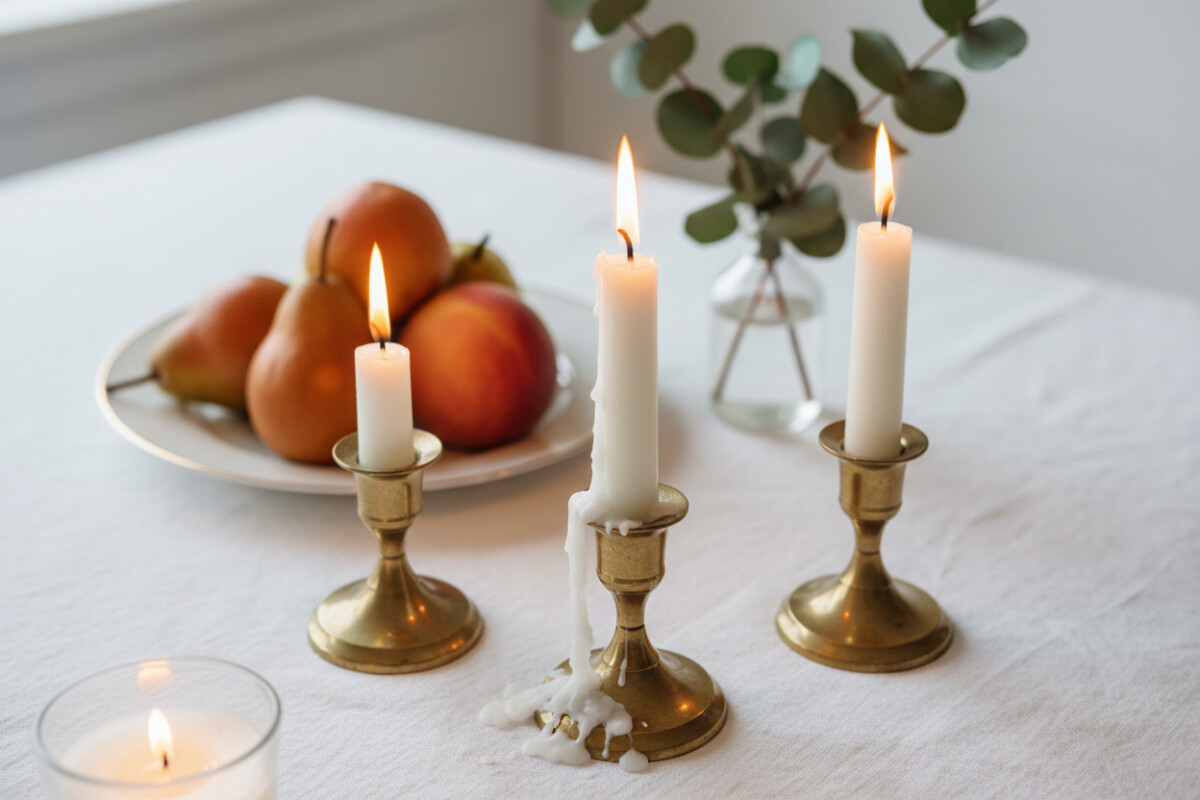
Candles offer ambiance, soothing fragrances, and a sense of calm after a long day. However, that tranquility can quickly vanish the moment a candle is accidentally bumped, dripping melted wax onto your favorite carpet, a polished wooden table, or your clothing. If you are staring down a stubborn wax stain and wondering how to remove it without damaging your belongings, you are certainly not alone.
Finding the best trick for cleaning candle wax is a common household quest. The good news? You do not need harsh, expensive chemical cleaners to get the job done. The secret to conquering spilled wax relies entirely on basic science—specifically, the strategic use of hot and cold temperatures. In this comprehensive guide, we will break down exactly how to remove candle wax from virtually any surface safely, effectively, and naturally, ensuring your home stays pristine.
Understanding the Nature of Candle Wax Stains
Before diving into the various removal methods, it is incredibly helpful to understand what exactly you are dealing with. Most modern candles are made from paraffin, soy, beeswax, or a blend of these materials. Regardless of the base ingredient, wax is essentially a lipid that is solid at room temperature and liquid when heated. This physical property is exactly what makes wax spills so frustrating; it drips as a hot liquid, seeping into the microscopic crevices of fabrics, carpets, or porous wood, and then rapidly cools into a hard, stubborn solid.
Because wax is oil-based, standard soap and water will not work on its own. Wiping wet wax with a damp sponge only smears it around, driving the oils deeper into the surface. Scraping hard wax aggressively can scratch delicate finishes or tear carpet fibers. Therefore, the absolute best trick for cleaning candle wax always involves changing its physical state—either freezing it until it becomes brittle enough to snap off, or heating it until it melts so it can be safely absorbed.
The Best Trick for Cleaning Candle Wax Out of Jars
One of the most common reasons people want to clean wax is not necessarily because of a spill, but to salvage and upcycle beautiful, expensive candle jars. When a candle burns down to the wick, there is usually a half-inch of residual wax stuck firmly to the bottom. There are two incredibly effective ways to tackle this without making a massive mess.
The Boiling Water Method
If you want a highly effective, hands-off approach, the boiling water method is arguably the best trick for cleaning candle wax from old glass jars. Simply place your used candle jar on a heat-safe surface, like a wooden cutting board or a trivet. Boil some water in a kettle, and carefully pour the boiling water directly into the jar, leaving about an inch of space at the top.
The hot water will instantly melt the wax at the bottom of the container. Because wax is less dense than water, the melted wax will detach from the bottom and slowly rise to the surface. Let the jar sit undisturbed for a few hours. As the water eventually cools back down to room temperature, the wax will harden into a solid, clean disc at the top of the jar. You can simply push down on the edge of the disc to pop it out, discard the wax, and wash the jar with warm, soapy water to remove any lingering soot or residue.
The Freezer Method
If you are dealing with a softer wax, such as 100% soy wax or a coconut wax blend, the freezer method is an excellent alternative. Place the completely cooled candle jar into your freezer overnight. The extreme cold causes the wax to contract and shrink away from the sides of the glass. The next morning, take the jar out and use a dull butter knife or a spoon to gently press on the edge of the wax. It should crack easily and pop out in large chunks. This method is incredibly clean and allows you to bypass the mess of dealing with hot water and melted wax completely.
How to Remove Candle Wax from Carpets and Fabrics
Spilling wax on a plush carpet or your favorite shirt can feel like an absolute disaster, but it is entirely reversible if you know the right technique. The best trick for cleaning candle wax from textiles involves drawing the wax out of the fibers using a common household appliance: a clothing iron.
The Iron and Paper Towel Technique
First, do not panic, and most importantly, do not try to wipe the wax while it is still wet. Let the wax cool completely. If you are in a rush, place an ice cube in a plastic zip-top bag and hold it over the wax to speed up the hardening process. Once the wax is solid, gently scrape away the top excess layer using a dull knife, a spoon, or the edge of an old credit card. Be careful not to pull or fray the fibers.
Next, place a clean, plain paper towel, a brown paper grocery bag, or a piece of parchment paper directly over the remaining wax stain. Turn your household iron onto the lowest heat setting and ensure the steam function is completely turned off. Gently press the warm iron over the paper towel, moving it continuously so you do not scorch the carpet or fabric underneath.
The heat from the iron will re-melt the wax, and the paper towel will immediately absorb it. As the paper towel becomes saturated with the melted wax, slide it over to a clean, dry section and repeat the process until no more wax is lifting from the fabric. Finally, treat the area with a grease-fighting laundry pre-treatment or a dab of liquid dish soap to remove any lingering dye or oil stains, and wash or dab the area clean.
Safely Cleaning Wax from Wood and Hard Furniture
Wood furniture is often highly porous and can be easily scratched, making wax removal particularly delicate. The goal here is to remove the wax without damaging the varnish, paint, finish, or underlying wood grain.
The Hair Dryer Approach
For delicate wood surfaces, the best trick for cleaning candle wax relies on gentle, controlled heat rather than direct scraping. Plug in your hair dryer and set it to a medium heat setting. Hold it a few inches away from the wax spill and move it back and forth over the affected area. You do not want to liquefy the wax into a runny puddle; you just want to soften it to the consistency of soft butter.
Once the wax has softened, use a soft, dry microfiber cloth or a thick paper towel to gently wipe it away in the direction of the wood grain. If there is a slight oily residue or a cloudy spot left behind, mix a solution of half distilled white vinegar and half water. Dampen a soft cloth with the solution and gently buff the area. The mild acidity of the vinegar will easily cut through the remaining wax oils and restore the brilliant shine to your wooden furniture.
Removing Candle Wax from Painted Walls
If a candle splatters against a painted drywall, it presents a unique challenge. You cannot use an iron without risking the paint, and vigorous scraping can peel the drywall paper.
The hair dryer technique mentioned above is also highly effective for walls. Hold a paper towel directly beneath the wax splatter to catch any drips as they fall. Use the hair dryer to warm the wax until it begins to melt, and gently wipe it away with a separate paper towel. To remove the colored stain or oily shadow left behind, mix a few drops of a grease-cutting dish detergent into a bowl of warm water. Dip a sponge into the soapy water, wring it out until it is barely damp, and gently dab the stain until it disappears. Make sure not to scrub aggressively, or you may remove the paint finish.
Cleaning Wax Off Glass and Mirrors
Whether wax dripped onto a glass coffee table, a bathroom mirror, or a window pane, cleaning it is generally straightforward because glass is a hard, non-porous material.
The Ice Cube Method
Place an ice cube in a zip-top plastic bag and hold it directly against the wax spill for several minutes. The intense cold will make the wax incredibly hard and brittle. Once it is completely chilled, take a plastic pan scraper, an old gift card, or a plastic spatula and gently push under the edge of the wax. Because it has contracted from the cold, it should pop off the glass in one solid piece. If there are minor smudges or an oily film left behind, a standard glass cleaner or a quick wipe with rubbing alcohol will quickly cut through the oil, leaving your glass completely streak-free and pristine.
Common Mistakes to Avoid When Removing Wax
While knowing the best trick for cleaning candle wax is crucial, knowing what not to do is equally important to prevent permanent damage to your household items.
- Wiping Wet Wax: As mentioned earlier, wiping warm, liquid wax will only spread the problem, creating a much larger surface area to clean and driving the oil deeper into porous materials. Always let wax cool before attempting removal.
- Using Sharp Objects: Resist the urge to use a razor blade, a sharp kitchen knife, or scissors to scrape wax. You are highly likely to gouge your wood, slice your carpet fibers, or scratch your glass. Always use dull, flat plastic edges.
- Using High Heat on Fabrics: When using the iron method, never use high heat. Synthetic carpets and fabrics can melt under high temperatures, leaving you with a permanent burn mark that is far worse than a temporary wax stain.
How to Upcycle Your Cleaned Candle Jars
Once you have mastered the best trick for cleaning candle wax, you will likely find yourself with a growing collection of beautiful, empty glass jars. Instead of throwing them in the recycling bin, consider upcycling them around your home. Small candle jars make excellent, aesthetically pleasing holders for Q-tips and cotton rounds in the bathroom. Larger jars are perfect for holding pens and pencils on your desk, or makeup brushes on your vanity. You can even thoroughly wash food-safe jars to propagate plant cuttings or to store loose leaf tea, coffee beans, and spices in your pantry.
Conclusion
A spilled candle does not have to mean ruined furniture, a stained carpet, or discarded clothing. By understanding the simple science of how wax behaves under different temperatures, you can easily tackle any mess with confidence. Whether you are using the boiling water method to clean out an old favorite jar, the iron and paper towel technique to save your living room carpet, or a simple hair dryer to gently lift wax from a wooden dining table, you now possess the knowledge to handle it like a seasoned pro. The next time an accidental drip happens, stay calm, let it cool down, and utilize the best trick for cleaning candle wax perfectly suited for your specific situation.