Table of Contents
Have you ever walked into a room and immediately felt uplifted by the sheer amount of sunshine pouring through the windows? There is a certain undeniable magic to a sun-drenched space. It feels larger, more inviting, and undeniably more vibrant. Unfortunately, not all homes are blessed with floor-to-ceiling windows or perfect southern exposure. Many of us grapple with dark corners, shadowy hallways, and rooms that feel somewhat cave-like, regardless of the time of day.
If you are tired of living in the shadows and relying entirely on artificial bulbs, you are in the right place. Figuring out how to increase natural light is one of the most effective and rewarding ways to transform your living environment. Best of all, bringing more sunshine indoors does not always require a massive renovation budget. From strategic design tricks to simple weekend chores, there are countless ways to maximize the sunlight your home already receives. Read on to discover actionable, designer-approved methods to brighten your space.
Why Maximizing Sunlight Matters
Before diving into the design strategies, it is important to understand why sunlight is so highly coveted in real estate and interior design. Beyond simply making a room look beautiful, natural light offers profound psychological and physical benefits.
Exposure to sunlight triggers the release of serotonin in the brain, the hormone associated with boosting mood and helping a person feel calm and focused. Furthermore, a well-lit room helps regulate our circadian rhythms, promoting better sleep patterns at night. From an aesthetic standpoint, natural daylight renders colors accurately, making your carefully chosen furniture, art, and wall paint look their absolute best. Finally, optimizing the sunlight in your home can significantly reduce your reliance on artificial lighting, slashing your electricity bills and improving your home’s overall energy efficiency.
Simple Interior Design Tricks to Bounce Light
You do not need to tear down walls to make a room brighter. Often, learning how to increase natural light simply involves making smarter choices with the decor and furnishings you already own.
1. Strategically Place Oversized Mirrors
Mirrors are the oldest trick in the interior designer’s playbook for a reason: they literally double the amount of sunlight in a room. To get the maximum benefit, do not just hang a mirror anywhere. Place a large mirror directly opposite your largest window. When the sun shines through, the mirror will catch those rays and bounce them back into the room, mimicking the effect of an entirely new window. If placing a mirror directly across from a window isn’t feasible, placing one on an adjacent wall will still catch ambient light and distribute it effectively into darker corners.
2. Choose Lighter Color Palettes
Dark colors absorb light, while light colors reflect it. If you want to brighten a dreary space, saying goodbye to heavy, dark wall colors is essential. Opt for soft whites, warm creams, pale grays, or subtle pastels. When selecting paint, pay attention to the Light Reflectance Value (LRV). The higher the LRV, the more light the paint color will bounce back into the room. Bright white is the most reflective color of all, but if stark white feels too clinical, a soft ivory or pale blush will also do wonders for the luminosity of the room.
3. Opt for Sheer Window Treatments
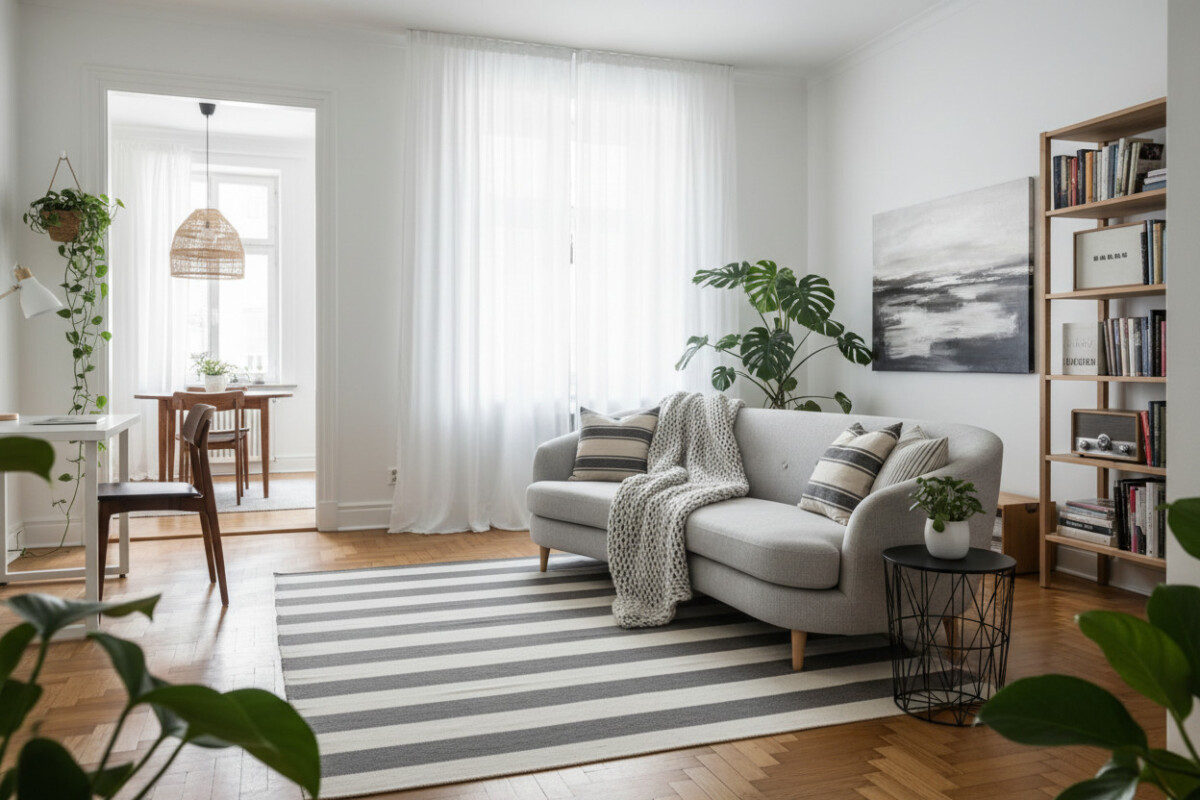
Heavy, opaque drapery, dark Roman shades, and thick wooden blinds are notorious light-blockers. Even when they are open, the bunched-up fabric on the sides of the window can obscure a significant portion of the glass. To instantly boost the sunlight entering your room, swap heavy textiles for lightweight, translucent materials like sheer cotton, linen, or lace. Furthermore, make sure to hang your curtain rods higher and wider than the window frame itself. This allows you to pull the curtains entirely off the glass, maximizing the exposed window pane and letting in every possible drop of sunshine.
4. Incorporate Reflective Surfaces and Decor
Mirrors are not the only things that reflect light. You can strategically scatter reflective surfaces throughout your room to keep sunlight moving. Glossy ceramic tiles on a kitchen backsplash, acrylic or lucite furniture, glass-topped coffee tables, and metallic accents like brass lamps or silver picture frames all contribute to a brighter aesthetic. Even choosing a sofa with a lighter, slightly lustrous fabric can make a noticeable difference compared to a dark, matte velvet piece.
Architectural and Structural Improvements
If you have exhausted your interior decor options and still want to know how to increase natural light further, it might be time to look at some minor (or major) structural upgrades.
5. Swap Solid Doors for Glass Options
Solid exterior and interior doors block the flow of light from one space to the next. By replacing a solid wood front door with one that features a glass transom or sidelights, you can instantly flood a dark entryway with sunshine. For interior spaces, consider installing French doors between rooms. This allows light from a bright, sun-facing room to spill over into a darker, interior hallway or dining room. If privacy is a concern—such as in a bathroom or a home office—frosted or fluted glass doors are a brilliant compromise that allow light to pass through while obscuring visibility.
6. Paint Your Ceiling Flat White
Interior designers often refer to the ceiling as the “fifth wall,” and it plays a massive role in how bright a room feels. A dark or wooden ceiling will absorb a tremendous amount of light, making the room feel shorter and more enclosed. Painting your ceiling a crisp, flat white will help bounce the light coming in from the windows straight down into the living space. While high-gloss paint is great for walls, always stick to flat or matte paint for the ceiling to avoid glare and hide structural imperfections.
7. Install Skylights or Solar Tubes
When wall space is limited, look up. Installing a skylight is one of the most dramatic ways to invite the sun indoors. Skylights pull in light consistently throughout the day, regardless of the sun’s angle, making them perfect for dark bathrooms, attic bedrooms, or central living spaces. If a traditional skylight is too expensive or structurally impossible, look into solar tubes (also known as tubular daylighting devices). These highly reflective pipes capture sunlight on the roof and funnel it down through the attic, acting like a natural recessed light in the ceiling below.
Easy Maintenance and Outdoor Adjustments
Sometimes, the barriers to natural light are not inside the house at all. Regular maintenance and outdoor landscaping play a huge role in how much sunshine successfully makes its way through your glass.
8. Keep Your Windows Sparkling Clean
It sounds incredibly obvious, but you would be surprised by how much light is blocked by a thin layer of dust, dirt, water spots, and pollen. Over time, grime builds up on both the interior and exterior of your windows, acting like a permanent grey filter over your view. Commit to thoroughly washing your windows inside and out at least twice a year. The immediate clarity and influx of bright, unfiltered daylight will absolutely shock you.
9. Prune Trees and Shrubs Near Windows
Take a walk outside your home and critically evaluate your landscaping. Are there overgrown bushes, massive tree branches, or dense ivy creeping over your windows? Nature is beautiful, but a large oak tree situated directly outside a south-facing window will cast heavy shadows into your home. Regularly prune back tree branches, trim overgrown hedges, and ensure that your exterior greenery is not acting as an unintended blockade to the sun.
10. Re-evaluate Exterior Awnings and Eaves
Exterior awnings are great for providing shade on a hot summer day, but they are the enemy of natural light. If you have deep, fixed awnings over your windows and you are desperately trying to brighten your interior, consider removing them entirely. Alternatively, replace fixed awnings with retractable ones so you can customize your shade and sunlight levels depending on the season and time of day.
Elevate Your Floors to Brighten Up From Below
We have talked about ceilings and walls, but your flooring also contributes heavily to the light dynamics of a room.
11. Choose Light-Colored Flooring and Rugs
Dark hardwood floors or deep, moody carpets are undeniably elegant, but they will devour whatever sunlight hits them. If you are renovating, opting for blonde woods, light bamboo, white washed oak, or pale tiles will significantly boost the ambient light in the room. If replacing the floors is out of the question, the fix is easy: lay down an oversized, light-colored area rug. A large cream, ivory, or pastel rug will instantly break up the darkness of a heavy wood or slate floor, adding a massive reflective surface right under your feet.
Conclusion
Transforming a dark, gloomy house into an airy, sun-kissed sanctuary does not happen by accident. It requires a thoughtful approach to color, reflection, and space planning. By understanding exactly how to increase natural light—whether through cleaning your windows, strategically placing mirrors, or undertaking larger projects like skylight installation—you can radically change the look and feel of your living space. Start small with a fresh coat of white paint and some sheer curtains, and watch as your home slowly comes to life, basking in the glow of natural sunshine.