Table of Contents
In our hyper-connected, digital modern world, our homes are filled with a myriad of electronic devices. From smartphones and tablets to laptops, smartwatches, and wireless earbuds, keeping our gadgets powered up is a daily necessity. As a result, it has become incredibly common to leave charging bricks permanently plugged into our wall outlets. After all, it is undeniably convenient to simply grab a cable and plug in your phone without having to fish around behind the couch or under the desk for the actual charger. But this widespread habit begs an important question that many homeowners and tech enthusiasts eventually ask: should you unplug chargers when not in use?
The debate around this topic often centers on a few key concerns: electricity bills, environmental impact, and fire safety. Some people claim that leaving chargers plugged in constantly drains massive amounts of power and poses a severe fire hazard. Others dismiss these claims as outdated myths, arguing that modern technology has solved these issues.
In this comprehensive guide, we will dive deep into the facts, explore the concept of “vampire power,” analyze the real-world financial and safety implications, and help you determine once and for all whether you need to change your charging habits.
Understanding Vampire Power: What Happens When You Leave Chargers Plugged In?
To understand whether you need to unplug your chargers, you first need to understand how they work and what happens when they are left in an outlet without a device attached.
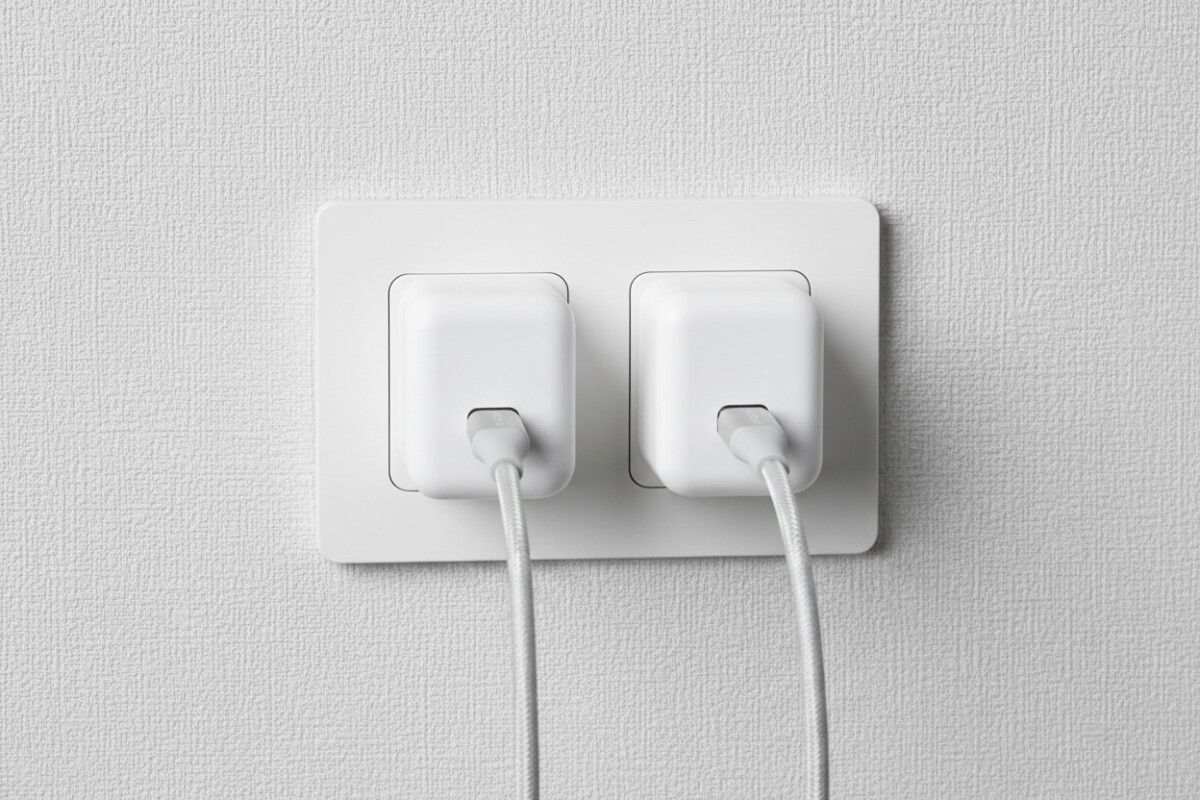
The phenomenon of electronics consuming energy even when they are turned off or in standby mode is known by several names: “vampire power,” “phantom load,” “idle current,” or “standby power.” Your standard phone or laptop charger is essentially a miniature power transformer. Its primary job is to take the high-voltage alternating current (AC) electricity coming from your wall outlet and convert it into the low-voltage direct current (DC) electricity that your device’s battery requires to charge safely.
Even when your smartphone or tablet is disconnected from the charging cable, the transformer inside the charging brick is still active as long as it is plugged into the wall. The circuitry inside continuously draws a minuscule amount of electricity to remain “ready” for a device to be plugged in. While modern chargers are significantly more efficient than those manufactured a decade ago, they still draw a trace amount of power. If you have ever touched a charger that has been plugged in without a device and noticed it feels slightly warm, you are feeling that vampire power being converted into ambient heat.
The Financial Impact: Does It Affect Your Electricity Bill?
One of the most common reasons people advocate for unplugging idle chargers is to save money on their monthly electricity bills. But how much are these energy vampires actually costing you?
The truth is, the financial impact of a single modern smartphone charger left plugged in is remarkably small. On average, an idle phone charger consumes roughly 0.1 to 0.5 watts of power per hour. Over the course of a whole year, leaving a single phone charger plugged in 24/7 might consume less than one kilowatt-hour (kWh) of electricity. Depending on the average cost of electricity in your area, this translates to just a few pennies—perhaps 10 to 20 cents per year per charger.
If you are looking at a single charger, the financial motivation to unplug it is virtually nonexistent. However, the calculation changes slightly when you look at the bigger picture. The average modern household does not have just one charger. You likely have multiple phone chargers, a laptop charger, a tablet charger, smart speaker adapters, electric toothbrush bases, and more. When you combine the phantom load of 15 to 20 idle chargers and power adapters scattered throughout your home, the cost begins to add up.
Furthermore, larger chargers—such as the bulky power bricks used for high-performance gaming laptops or older electronic devices—tend to draw significantly more standby power than a tiny smartphone cube. While unplugging all your chargers will not suddenly cut your electricity bill in half, being mindful of vampire power across all your household electronics (including televisions, gaming consoles, and microwaves) can save you a noticeable amount of money annually.
Safety First: Are Idle Chargers a Fire Hazard?
Beyond the financial aspect, safety is a paramount concern. Is it dangerous to leave a charger plugged in constantly? Can it cause a house fire?
The short answer is: it depends on the quality of the charger.
Modern, name-brand chargers manufactured by reputable companies (like Apple, Samsung, Google, and certified third-party accessory makers) are built with stringent safety standards and rigorous testing. They include built-in fail-safes designed to prevent overheating, short circuits, and power surges. For these high-quality, OEM (Original Equipment Manufacturer) chargers, the risk of a fire occurring simply because they were left plugged into a wall without a device attached is astronomically low.
However, the same cannot be said for cheap, counterfeit, or uncertified knock-off chargers. The market is flooded with inexpensive charging bricks that look identical to high-end brands but lack the essential internal safety circuitry. These inferior chargers use cheap materials, poor insulation, and faulty wiring. Because they constantly draw current and generate heat, leaving a knock-off charger plugged in indefinitely significantly increases the risk of it overheating, melting, or sparking, which can quickly ignite nearby flammable materials like curtains or carpets.
Signs Your Charger Needs to Be Replaced Immediately
Regardless of whether a charger is OEM or a knock-off, you should immediately unplug and discard it if you notice any of the following warning signs:
- Frayed wires: If the protective casing is pulled back, exposing the internal wires, it is a massive shock and fire hazard.
- Discoloration: Scorch marks or yellowing/browning of the plastic casing indicates severe overheating.
- Strange smells: A burning plastic or ozone smell coming from the outlet or the charger itself is an immediate red flag.
- Loose connections: If the charger easily falls out of the outlet or the USB cable does not fit snugly, it can cause arcing (electricity jumping through the air), which is highly dangerous.
If you ever notice these issues, it is crucial to unplug chargers when not in use and replace them with certified alternatives immediately.
The Environmental Consequences of Phantom Energy
While the financial cost of a single idle charger is pennies to the individual consumer, the environmental cost on a global scale is a completely different story.
Think about how many millions of households exist in your country alone, and multiply that by the number of chargers left plugged in 24/7. Suddenly, those fractions of a watt snowball into gigawatts of wasted electricity. Power grids have to burn more fossil fuels—such as coal and natural gas—to produce this entirely wasted energy, leading to thousands of tons of unnecessary greenhouse gas emissions being pumped into the atmosphere every year.
If you are trying to live a more eco-friendly, sustainable lifestyle and reduce your personal carbon footprint, deciding to unplug chargers when not in use is a simple, effortless micro-habit that contributes to a much larger global effort toward energy conservation.
Does Leaving Your Phone Plugged In Degrade the Battery?
A closely related topic to leaving chargers in the wall is leaving your actual device plugged into the charger overnight or long after it has reached 100%. Many people worry that this will “overcharge” the battery and destroy it.
Fortunately, modern electronics use lithium-ion batteries and feature sophisticated built-in power management systems. Once your smartphone or laptop reaches 100% capacity, the device automatically stops drawing a full electrical current, effectively cutting off the charge to prevent damage. Instead, it enters a state of “trickle charging,” where it occasionally draws a tiny amount of power to top off the battery as it naturally loses a percentage point or two.
While you cannot technically “overcharge” a modern phone, keeping a lithium-ion battery constantly pegged at 100% capacity and exposing it to the heat generated by the charging process can slightly accelerate battery degradation over the long term. If you want to maximize the lifespan of your device’s battery, it is generally recommended to keep the charge between 20% and 80%.
Smart Solutions for Managing Your Chargers
If you want to eliminate vampire power, reduce fire risks, and lower your carbon footprint without sacrificing convenience, there are several modern solutions you can implement.
Invest in Smart Power Strips
Crawling under your desk to unplug your laptop, monitor, and phone charger every single day is tedious. Instead, invest in a smart power strip or an advanced surge protector. These devices can detect when a primary device (like your computer) is turned off and automatically cut power to all peripheral devices (like your chargers, speakers, and printers). Other smart strips can be controlled via smartphone apps or voice assistants, allowing you to cut power to an entire charging station with a simple voice command before you leave the house.
Build a Centralized Charging Station Habit
Rather than having a charger plugged into every room of your house, create a dedicated charging station. Use a high-quality surge protector with multiple USB and AC ports. When you need to charge your devices, do it there. When all your devices are fully charged, you only have to flip one switch on the surge protector to cut off the power to all the connected chargers simultaneously, eliminating the phantom load instantly.
Conclusion: The Final Verdict on Whether to Unplug Chargers When Not in Use
So, should you unplug chargers when not in use? The answer is a resounding yes, though perhaps not for the dramatic reasons you might have originally thought.
From a purely financial standpoint, unplugging your smartphone charger will not yield life-changing savings on your electricity bill. However, it is an excellent exercise in energy mindfulness. When you consider the collective environmental impact of millions of households wasting idle power, unplugging becomes an easy way to contribute to a greener planet. Most importantly, unplugging chargers—especially older ones or those of questionable quality—is a simple, proactive measure to protect your home from completely avoidable fire hazards.
By making it a habit to pull the plug, or by utilizing smart power strips to do the heavy lifting for you, you can enjoy peace of mind, save a little bit of money, and do your part for the environment.