Table of Contents
When it comes to deep cleaning our homes, few products carry the heavy-hitting reputation of chlorine bleach. For generations, it has been the go-to solution for eradicating germs, whitening surfaces, and tackling stubborn stains. However, as modern homeowners become more aware of chemical safety and surface preservation, a highly debated question has emerged: is using bleach in the bathroom actually the best choice, or is it doing more harm than good?
The bathroom is an inherently damp, humid environment, making it a prime breeding ground for bacteria, mold, and mildew. It is completely understandable why you would want to reach for the strongest chemical in your cleaning arsenal. But before you douse your tiles and toilets in this potent liquid, it is essential to understand both its benefits and its potential hazards.
In this comprehensive guide, we will explore everything you need to know about using bleach in the bathroom, including its pros, cons, safety protocols, and effective alternatives.
Understanding Bleach: What Is It and How Does It Work?
Before deciding whether using bleach in the bathroom is right for your home, you need to understand what it is. Standard household bleach is an aqueous solution of sodium hypochlorite. It works through a process called oxidation. When bleach comes into contact with organic matter—like the bacteria in your toilet bowl or the mildew in your shower corners—it breaks the chemical bonds of the molecules, effectively destroying the organisms and removing the color from stains.
Because of this aggressive chemical reaction, bleach is undeniably highly effective. However, it is this exact same aggressiveness that can make it dangerous for certain materials and, more importantly, for your respiratory system if not handled correctly.
The Pros of Using Bleach in the Bathroom
There is a reason why bleach has remained a staple in household cleaning cabinets for decades. When used properly, it offers several distinct advantages that are hard to replicate with milder cleaners.
1. Unmatched Disinfecting Power
Bleach is an EPA-registered disinfectant that is incredibly effective at killing a broad spectrum of pathogens, including the flu virus, staphylococcus, streptococcus, and salmonella. In a room where bodily fluids and bacteria are prevalent, using bleach in the bathroom ensures that surfaces are not just visually clean, but sanitarily secure.
2. Superior Stain Whitening
Over time, white porcelain sinks, tubs, and toilets can develop unsightly yellow or brown stains due to hard water, soap scum, or mineral deposits. Bleach excels at oxidation, meaning it can lift these stains and restore your bathroom fixtures to their original, sparkling white glory.
3. Surface-Level Mold and Mildew Eradication
Bathrooms are notorious for mold and mildew due to high condensation and poor ventilation. Bleach does an excellent job of killing the mold spores that sit on non-porous surfaces like glazed ceramic tiles, porcelain bathtubs, and glass shower doors. It instantly wipes out the dark, dingy spots, making your shower look brand new in minutes.
The Cons and Dangers of Bathroom Bleach Cleaning
Despite its powerful cleaning properties, using bleach in the bathroom comes with a significant list of drawbacks. In many modern cleaning scenarios, the risks of bleach heavily outweigh the rewards.
1. Toxic Fumes and Poor Ventilation
Bathrooms are typically the smallest rooms in a house, and many lack adequate windows or robust exhaust fans. When you use bleach in a confined, poorly ventilated space, the fumes can quickly accumulate. Inhaling bleach fumes can cause severe irritation to the eyes, nose, throat, and lungs. Prolonged exposure can lead to coughing, shortness of breath, and exacerbation of asthma symptoms.
2. It Can Damage Grout and Sealants
One of the biggest misconceptions about using bleach in the bathroom is that it is great for cleaning grout. In reality, grout is a porous material. While bleach will whiten the surface of the grout, it can actually eat away at the structural integrity of the cement over time, causing it to crack, crumble, and wash away. Additionally, bleach can deteriorate the silicone caulk used to seal bathtubs and showers, leading to water leaks behind your walls.
3. It Doesn’t Actually Kill Rooted Mold
While bleach is great at killing mold on non-porous surfaces like glass and tile, it is completely ineffective at killing mold on porous surfaces like drywall, wood, and unsealed grout. The chemical structure of bleach prevents it from penetrating porous materials. Instead, the water in the bleach solution sinks into the material, effectively feeding the mold roots while the chlorine stays on the surface and bleaches the color white. The mold appears to be gone, but it will grow back worse a few weeks later.
4. The Deadly Danger of Chemical Mixing
Perhaps the most critical danger of using bleach in the bathroom is the risk of accidentally mixing it with other common cleaning products. Mixing bleach with ammonia creates toxic chloramine gas. Mixing bleach with acidic cleaners (like vinegar, toilet bowl cleaners, or rust removers) creates deadly chlorine gas. Even trace amounts of these chemicals left in a toilet bowl before adding bleach can trigger a hazardous chemical reaction.
Step-by-Step Guide: How to Safely Clean Your Bathroom With Bleach
If you have weighed the pros and cons and decided that you still want to utilize this powerful cleaner, you must adhere to strict safety guidelines. Here is how to approach using bleach in the bathroom safely and effectively.
Step 1: Maximize Your Ventilation
Before you even open the bottle of bleach, open every window in the bathroom and surrounding rooms. Turn on the bathroom exhaust fan and place a portable fan in the doorway pointing outward to push the fumes out of the room. Never clean a windowless, unventilated bathroom with pure bleach.
Step 2: Wear Proper Protective Gear
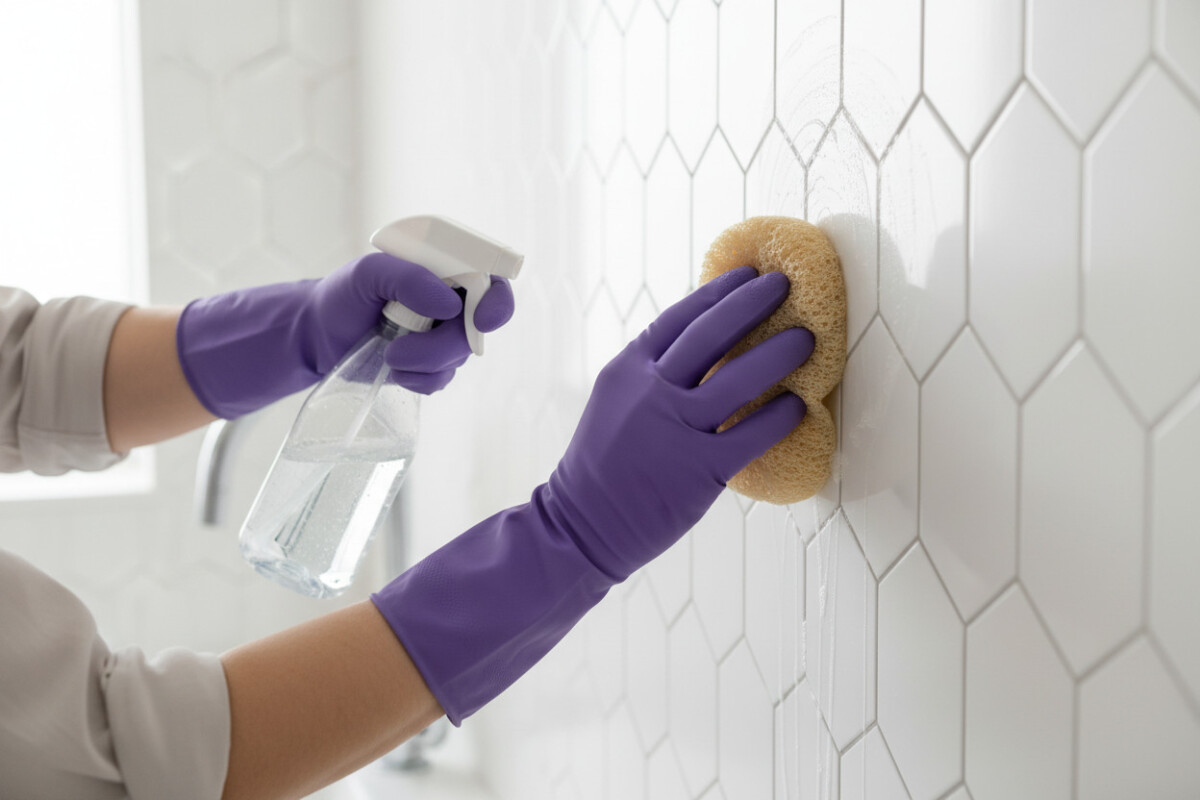
Bleach is highly corrosive and can cause chemical burns if it touches your skin. Always wear thick rubber cleaning gloves. Additionally, wearing safety goggles will protect your eyes from accidental splashes, and wearing old clothes ensures you won’t ruin your favorite outfit if a drop spills.
Step 3: Always Dilute with Water
You should almost never use straight, undiluted bleach to clean a bathroom. Not only is it dangerous, but it is also unnecessary. The Centers for Disease Control and Prevention (CDC) recommends mixing 1/3 cup of bleach per gallon of room-temperature water. Never mix bleach with hot water, as heat can release toxic chlorine gas.
Step 4: Apply, Let Sit, and Rinse Thoroughly
Apply your diluted bleach solution to the non-porous surfaces you wish to disinfect. To properly kill germs and bacteria, bleach needs “dwell time.” Let the solution sit on the surface for about 5 to 10 minutes. Afterward, it is imperative that you rinse the area completely with clean water. Leaving bleach residue behind can damage the surface over time and pose a risk to anyone who touches it later.
Natural Alternatives to Bleach for Bathroom Cleaning
If the harsh fumes and potential dangers have convinced you to look elsewhere, you will be happy to know that there are highly effective, non-toxic alternatives for bathroom cleaning.
White Vinegar and Baking Soda
White distilled vinegar is a mild acid that is incredibly effective at cutting through hard water stains, soap scum, and grime. Unlike bleach, vinegar actually penetrates porous surfaces, making it an excellent choice for killing mold at its roots. When paired with baking soda—a gentle abrasive—you get a foaming action that scrubs away dirt without scratching your tiles. Note: Never mix vinegar with bleach.
Hydrogen Peroxide
If you are looking for a powerful disinfectant and whitening agent without the toxic fumes of bleach, 3% hydrogen peroxide is an incredible alternative. It effervesces (bubbles) when it comes into contact with bacteria and organic matter, lifting stains out of grout and killing mold spores without leaving behind any harmful residue. In fact, hydrogen peroxide breaks down into simple water and oxygen.
Castile Soap and Essential Oils
For regular weekly maintenance, a mixture of liquid Castile soap, warm water, and a few drops of antibacterial essential oils (like tea tree or eucalyptus) is more than enough to keep your bathroom sparkling clean and smelling fresh.
Frequently Asked Questions
Does using bleach in the bathroom destroy grout?
Yes, over time, frequent use of highly concentrated bleach will weaken, degrade, and crumble standard cement-based grout. It is better to use hydrogen peroxide or a dedicated grout cleaner for tile lines.
Can I leave bleach in the toilet bowl overnight?
It is not recommended. Leaving bleach in the toilet bowl for extended periods can degrade the rubber seals and flapper inside your toilet’s plumbing system, leading to leaks and costly repairs. A 10-minute soak is all that is required for disinfection.
Conclusion
So, what is the final verdict on using bleach in the bathroom? While it remains an incredibly potent tool for disinfecting and whitening non-porous surfaces, it is often overkill for daily or weekly cleaning tasks. The harsh fumes, the potential to damage grout and seals, and the severe dangers of accidental chemical mixing make it a product that should be used sparingly and with the utmost caution.
For routine cleaning, natural alternatives like vinegar, baking soda, and hydrogen peroxide offer a safer, more surface-friendly approach. Save the bleach for serious, targeted disinfecting tasks—and when you do use it, always remember to dilute it, wear gloves, and keep the air flowing.