Table of Contents
Summer is the perfect time for fresh produce, vibrant meals, and entertaining guests. But there is one major downside to culinary adventures during the warmer months: dealing with an unbearably hot cooking space. Between the heat radiating from your oven, the steam rising from your stovetop, and the sweltering temperatures outside, cooking can quickly turn into a sweaty, exhausting chore. If you have ever wondered how to cool down a hot kitchen without completely abandoning your favorite home-cooked meals, you are in the right place.
Fortunately, there are several clever, energy-efficient, and practical ways to manage the temperature in the heart of your home. Whether you are preparing a quick weeknight dinner or hosting a weekend gathering, these strategies will help you maintain a comfortable environment. Read on to discover the best methods to cool down a hot kitchen quickly and effectively.
Why Is It So Hard to Keep Your Kitchen Cool?
Before diving into the solutions, it helps to understand why your kitchen turns into a sauna in the first place. The kitchen is uniquely susceptible to heat accumulation for a few key reasons. First, the appliances you use daily—ovens, stoves, dishwashers, and even refrigerators—generate a significant amount of heat. When you bake or roast, that thermal energy lingers in the air long after the appliance is turned off.
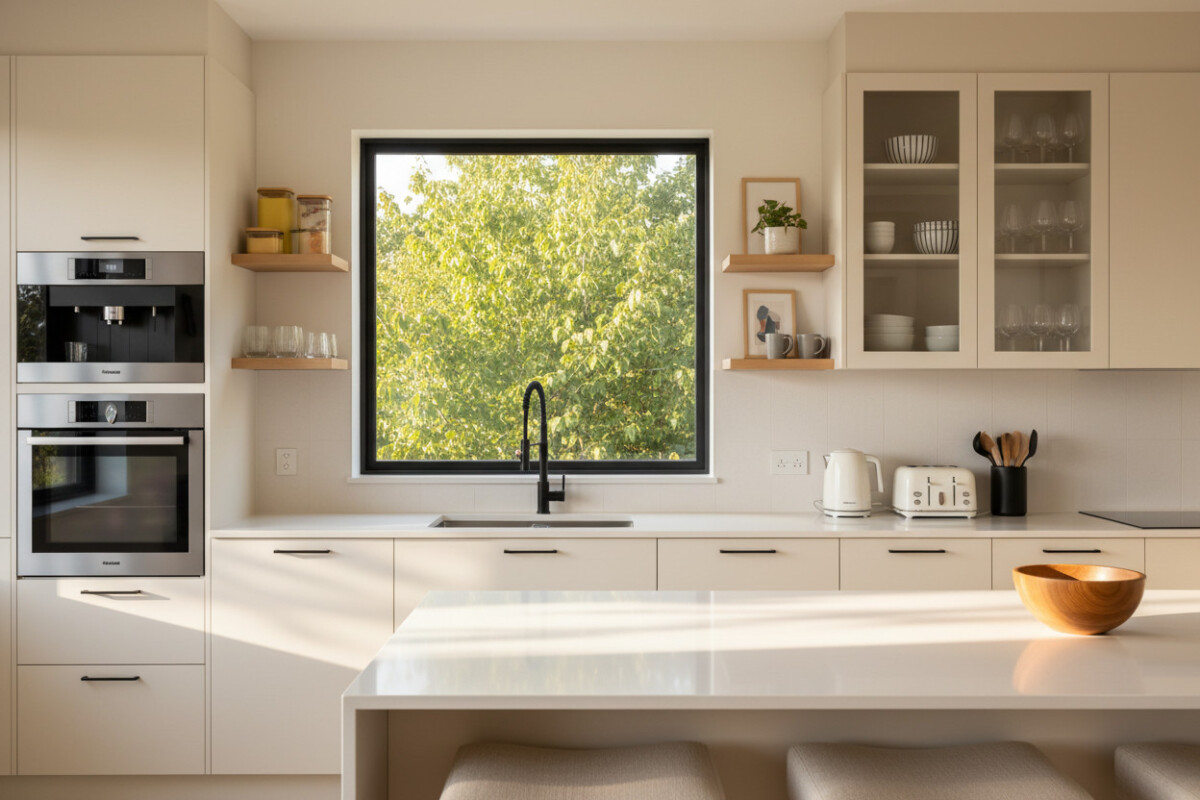
Second, many kitchens are designed with large windows to let in natural light. While this makes the space look bright and welcoming, it also creates a greenhouse effect, trapping solar heat inside. Combine these factors with poor ventilation and high summer humidity, and you have the perfect recipe for a sweltering room. Learning how to cool down a hot kitchen requires tackling all of these heat sources simultaneously.
10 Effective Ways to Cool Down a Hot Kitchen Fast
If you are currently sweating over a hot stove, do not despair. Here are ten highly effective, actionable tips to cool down a hot kitchen fast, ensuring you can cook in comfort all summer long.
1. Swap the Oven for Small Countertop Appliances
The primary culprit behind a sweltering kitchen is your conventional oven. Preheating a large insulated box to 400 degrees Fahrenheit inevitably releases a massive amount of heat into your home. To cool down a hot kitchen, your first step should be to minimize oven usage.
Instead, rely on smaller countertop appliances that generate a fraction of the heat. Air fryers, slow cookers, electric griddles, and Instant Pots are excellent alternatives. Because their heating elements are smaller and the cooking space is condensed, they cook food faster and trap heat more efficiently. A slow cooker, for example, can simmer a meal all day without noticeably raising the ambient temperature of your room.
2. Master the Art of Cross-Ventilation
If the air in your kitchen feels stagnant and heavy, creating a cross-breeze is one of the fastest ways to lower the temperature. Cross-ventilation involves opening windows or doors on opposite sides of the room (or house) to allow fresh air to flow through and push the hot, stale air out.
To maximize this effect, place a box fan pointing inward at a window on the cooler, shaded side of your home, and place another fan pointing outward at a window on the hot, sunny side. This will effectively pull cool air in and exhaust the warm air from your kitchen. It is a brilliant, low-cost strategy to cool down a hot kitchen naturally.
3. Block Out the Sun with Window Treatments
As mentioned earlier, sunlight streaming through kitchen windows can drastically increase the room’s temperature. While natural light is beautiful, it acts like a heater during the peak hours of summer.
To cool down a hot kitchen, you need to block the heat before it enters. Invest in high-quality blackout curtains, thermal shades, or even reflective window films. Keep your blinds or curtains closed during the hottest parts of the day—usually from late morning to late afternoon. By preventing the sun’s UV rays from penetrating the glass, you can significantly reduce the ambient temperature in your kitchen without touching the thermostat.
4. Leverage Your Range Hood and Exhaust Fans
Many people only use their stove’s exhaust fan when they burn something and need to clear out the smoke. However, your range hood is actually a powerful tool to cool down a hot kitchen.
When you boil water, sauté vegetables, or simmer a sauce, steam and heat rise directly from the stovetop. If you do not vent this hot air, it will dissipate into the room, raising the temperature and the humidity levels. High humidity makes the air feel much hotter than it actually is. Always turn your exhaust fan on the highest setting before you start cooking, and leave it running for about ten minutes after you finish to pull all residual heat out of the space.
5. Alter Your Cooking Schedule
Sometimes, the best way to cool down a hot kitchen is to avoid generating heat during the hottest parts of the day. The late afternoon and early evening are typically when your home reaches its peak temperature. If you turn on the stove during this time, you are compounding the problem.
Consider adjusting your cooking schedule. Try batch cooking or meal prepping in the early morning or late at night when the outside air is cooler. You can roast vegetables, bake chicken, or boil pasta during these cooler hours, store the food in the refrigerator, and simply reheat it in the microwave when it is time for dinner. The microwave transfers heat directly to the water molecules in the food, keeping the surrounding air perfectly cool.
6. Transition to No-Cook Meals
Give your appliances a rest entirely by incorporating more no-cook meals into your weekly menu. When the summer heat reaches its peak, nothing sounds better than a crisp, refreshing dinner that requires absolutely zero heat to prepare.
Hearty salads, cold soups like gazpacho, charcuterie boards, wraps, and spring rolls are all fantastic options. Utilizing canned beans, pre-cooked rotisserie chickens, and fresh seasonal produce allows you to create gourmet, satisfying meals without ever turning a dial on your stove. Embracing a raw or no-cook diet a few nights a week is an effortless way to cool down a hot kitchen.
7. Take the Cooking Outside
If you must cook with high heat, take it outside. Grilling is the quintessential summer cooking method for a reason. By moving the heat source to your patio or backyard, you keep the interior of your home cool and comfortable.
Beyond traditional grilling, consider setting up an outdoor kitchen station. You can use a portable induction cooktop, a camping stove, or an outdoor pizza oven to prepare your meals. Cooking outside not only helps you cool down a hot kitchen, but it also keeps strong cooking odors from lingering in your home.
8. Upgrade Your Kitchen Lighting to LEDs
You might be surprised to learn that your kitchen’s lighting could be contributing to the heat. Traditional incandescent lightbulbs are incredibly inefficient; they release about 90% of their energy as heat rather than light. If you have multiple recessed lights or a large chandelier in your kitchen, they act like miniature space heaters.
Replacing your old incandescent or halogen bulbs with energy-efficient LED bulbs is a fast and easy fix. LEDs emit almost no heat, last significantly longer, and use a fraction of the electricity. This small change contributes greatly to your overall mission to cool down a hot kitchen.
9. Skip the Heat-Drying Cycle on Your Dishwasher
Your dishwasher is another hidden culprit that produces an enormous amount of heat. The cleaning cycle requires highly heated water, and the drying cycle uses a built-in heating element to bake the moisture off your dishes. This heat easily leaks out into your kitchen, especially if you open the door immediately after the cycle finishes.
To keep the temperature down, run your dishwasher late at night when you are asleep. Furthermore, turn off the heated dry setting. Instead, once the wash cycle is complete, crack the dishwasher door open just an inch or two and let the dishes air dry overnight.
10. Keep Yourself Cool While Cooking
Sometimes the kitchen is going to get a little warm despite your best efforts. In these instances, you can cool down a hot kitchen indirectly by focusing on cooling yourself down.
Wear loose, breathable clothing made from natural fibers like cotton or linen while you cook. Keep a damp, cold towel draped around the back of your neck—this area contains large blood vessels close to the surface of the skin, so cooling it will lower your overall body temperature. Additionally, stay hydrated by drinking plenty of ice water. Place a small, personal fan on the counter angled directly at your face to keep the air moving around you.
Long-Term Solutions to Keep Your Kitchen Cool
If you consistently struggle with a sweltering kitchen year after year, it might be time to look into more permanent home improvements. While the fast fixes above are highly effective, long-term upgrades can provide lasting comfort.
Consider upgrading your kitchen’s insulation. Proper insulation doesn’t just keep you warm in the winter; it also keeps the intense summer heat out. Upgrading to energy-efficient, double-pane windows can also drastically reduce thermal transfer. Finally, if your kitchen lacks sufficient airflow, consider installing a high-powered ceiling fan or upgrading your HVAC system to ensure the kitchen receives adequate air conditioning.
Conclusion
Cooking during the warmer months should be a joy, not a punishment. By making a few strategic adjustments to how and when you cook, you can completely transform your culinary experience. From utilizing small countertop appliances and creating a cross-breeze to blocking out the harsh summer sun, these tips will help you reclaim your space.
Implementing these changes will not only make your home more comfortable but will also lower your energy bills by reducing the strain on your air conditioning system. The next time you feel the temperature rising, use these strategies to cool down a hot kitchen and get back to enjoying your time in the heart of your home.