Table of Contents
As the vibrant colors of autumn fade and the freezing temperatures of winter begin to set in, homeowners everywhere start preparing their houses for the bitter chill. You check your furnace, clean out your gutters, and perhaps even stock up on firewood. But there is one crucial element of winterization that often goes overlooked: your windows. If you find yourself cranking up the thermostat only to still feel a persistent chill, you might be asking yourself if you should insulate windows for cold weather.
The short answer is an absolute yes. Uninsulated or poorly insulated windows are one of the primary culprits behind heat loss in the average home. According to energy experts, heat gain and heat loss through windows are responsible for 25% to 30% of residential heating and cooling energy use. By taking the time to insulate windows for cold weather, you can drastically improve your home’s energy efficiency, slash your monthly utility bills, and create a much more comfortable living environment for you and your family.
In this guide, we will explore why window insulation is so important, how to identify if your windows are leaking heat, and the most effective methods to keep the cold air out and the warm air in.
Why You Need to Insulate Windows for Cold Weather
Many homeowners mistakenly believe that as long as their windows are closed and locked, they are protected from the outside elements. Unfortunately, glass is a poor insulator, and the tiny gaps around window sashes and frames can allow a massive amount of cold air to infiltrate your home. Here is why taking action is essential:
1. Significant Energy Efficiency and Cost Savings
When cold air seeps into your home and warm air escapes, your heating system has to work overtime to maintain the temperature set on your thermostat. This constant cycle consumes a tremendous amount of electricity, gas, or heating oil. By applying proper insulation techniques, you create a thermal barrier that traps the heat inside. This allows your HVAC system to cycle less frequently, directly translating to lower energy bills. Often, the cost of weatherizing your windows pays for itself within the first few months of winter.
2. Increased Indoor Comfort
Have you ever walked past a window in January and felt an invisible wave of cold air? That is known as a convective loop, and it can make a room feel drafty and unwelcoming, even if the ambient room temperature is technically warm. Insulating your windows eliminates these cold zones, ensuring a consistent, even temperature throughout your entire house. You will no longer have to avoid sitting near the windows during the winter months.
3. Environmental Benefits
Reducing your energy consumption doesn’t just benefit your wallet; it also benefits the planet. Homes that require less energy for heating produce fewer greenhouse gas emissions. By choosing to insulate your windows, you are taking a small but meaningful step toward reducing your household’s overall carbon footprint.
Signs Your Windows Need Insulation Before Winter
Before you rush to the hardware store, it helps to assess the current state of your windows. Here are the most common signs that your windows are failing to keep the cold at bay:
- The Draft Test: The easiest way to check for leaks is to hold a lit candle or a stick of incense near the edges of your window frames on a windy day. If the flame flickers aggressively or the smoke is blown horizontally, you have an air leak that needs sealing.
- Excessive Condensation: While a little moisture on the glass is normal in extreme cold, heavy condensation or frost forming on the inside of your windows indicates that warm, moist indoor air is meeting freezing glass with no thermal break.
- Rattling Sounds: If your windows rattle when the wind blows, they are not sitting tightly within their frames. This looseness is a guaranteed entry point for cold air.
- Cold to the Touch: If the interior glass feels like an ice block, your window is rapidly transferring heat outside.
- Skyrocketing Energy Bills: If you notice a sharp, unexplained spike in your heating costs compared to previous years, your home is likely losing its thermal envelope, often through aging windows.
How to Insulate Windows for Cold Weather: Top Methods
If you have determined that your home is suffering from heat loss, you have several effective options. Depending on your budget, skill level, and whether you rent or own your home, you can choose one or combine several of the following methods to insulate windows for cold weather.
1. Window Insulation Film Kits
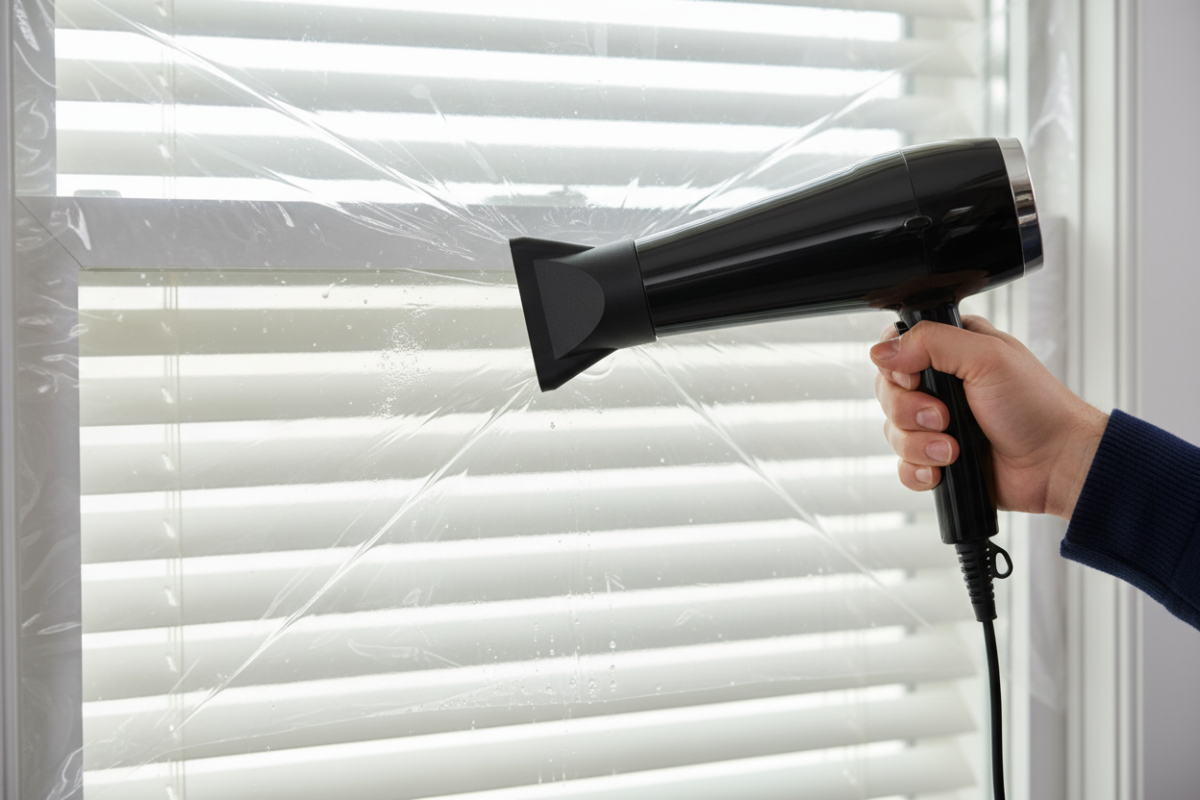
One of the most popular and cost-effective ways to insulate windows is by using a shrink-wrap film kit. These kits come with double-sided tape and large sheets of clear plastic film.
How it works: You apply the tape around the window frame, press the plastic film onto the tape, and then use a standard hairdryer to blow hot air over the plastic. The heat causes the film to shrink tightly, removing wrinkles and creating a taut, invisible barrier.
Why it’s effective: The space between the plastic film and the glass creates a layer of “dead air.” Dead air is an incredible insulator, acting much like the argon gas trapped between the panes of modern double-hung windows.
2. High-Quality Weatherstripping
If the primary issue is drafts coming through the physical gaps where the window sash meets the frame, weatherstripping is your best defense. Weatherstripping comes in various materials, including foam tape, felt, V-strip (tension seal), and tubular rubber.
How to use it: Clean the window frame thoroughly, cut the weatherstripping to size, and apply it to the moving parts of the window (the tracks and the bottom of the sash). When you close and lock the window, the weatherstripping compresses, creating an airtight seal.
Pro-tip: Foam tape is the easiest to apply, but tubular silicone or rubber tends to last longer and provides a superior seal against harsh winter winds.
3. Thermal Curtains and Insulated Cellular Shades
If you prefer not to stick tape or film to your windows, upgrading your window treatments is a fantastic alternative.
Thermal Curtains: These heavy-duty drapes feature a thick, specialized lining (often acrylic foam) that blocks drafts and prevents heat from escaping. For maximum efficiency, ensure the curtains extend all the way to the floor and overlap the window frame completely.
Cellular Shades: Also known as honeycomb shades, these blinds feature a pleated design that traps air within their cellular pockets. When pulled down at night, they provide exceptional insulation. You can open them during the day to let sunlight naturally warm your home, and close them at dusk to trap that free solar heat inside.
4. Draft Stoppers (Snake Blockers)
For a quick, low-tech solution, a draft stopper is highly effective at stopping cold air that leaks through the bottom sill of a window. Also known as “draft snakes,” these are long, fabric tubes filled with sand, rice, or insulating material. You simply lay them horizontally across the window ledge where the bottom sash meets the sill. While they won’t stop heat transfer through the glass itself, they are excellent at neutralizing aggressive localized drafts.
5. Caulking and Sealing Leaks
Sometimes the draft isn’t coming from the moving parts of the window, but from the static frame where it meets the drywall or the exterior siding. Over time, old caulk can dry out, crack, and fall away.
Interior and Exterior Caulking: Use a high-quality, paintable acrylic latex caulk for interior gaps, and a durable exterior-grade silicone caulk for the outside. Seal any visible cracks around the window trim.
Rope Caulk: For a temporary, renter-friendly option, try rope caulk. It comes in a long, putty-like roll that you can press directly into gaps around the window. At the end of winter, you can simply peel it off without damaging the paint.
Are Temporary Window Insulation Kits Worth It?
A common question homeowners ask is whether temporary, inexpensive solutions like plastic shrink-wrap film are truly worth the effort. The answer is a resounding yes. A typical window insulation kit costs between $10 and $20 and can cover up to five standard-sized windows. The energy savings generated by stopping convective heat loss and sealing drafts will almost always exceed the cost of the kit within the very first month of winter. Furthermore, the installation takes only about 15 minutes per window. In terms of return on investment, temporary insulation kits are one of the most profitable winterizing tasks you can perform.
When Is It Time to Replace Rather Than Insulate?
While learning how to insulate windows for cold weather is a great way to improve comfort and save money, it is important to recognize that insulation is sometimes just a temporary bandage on a permanent problem.
If your windows are single-pane, feature rotting or warped wooden frames, have broken glass, or the hardware no longer allows the window to lock securely, weatherstripping and plastic film will only do so much. At this stage, the structural integrity of the window is compromised. In these scenarios, the most cost-effective long-term solution is to invest in energy-efficient, double-pane or triple-pane replacement windows with low-emissivity (Low-E) glass and argon gas fills. While the upfront cost is significantly higher, new windows will permanently resolve your draft issues, increase your home’s security, and dramatically boost your property value.
Conclusion
Winter should be a time for enjoying hot cocoa indoors, reading by the fire, and gathering with family—not shivering under blankets while your heating unit runs endlessly. Deciding to insulate windows for cold weather is a proactive, empowering step for any renter or homeowner. Whether you choose to apply shrink-wrap film, upgrade to thermal curtains, or meticulously caulk your frames, every small effort compounds to create a tighter, more thermally secure home envelope.
By implementing the methods outlined in this guide, you will stop heat loss in its tracks, reduce your monthly utility expenses, and finally achieve the cozy, comfortable winter sanctuary you deserve. Take an afternoon this weekend to assess your windows and apply these insulating strategies; your future self—and your bank account—will thank you.