Table of Contents
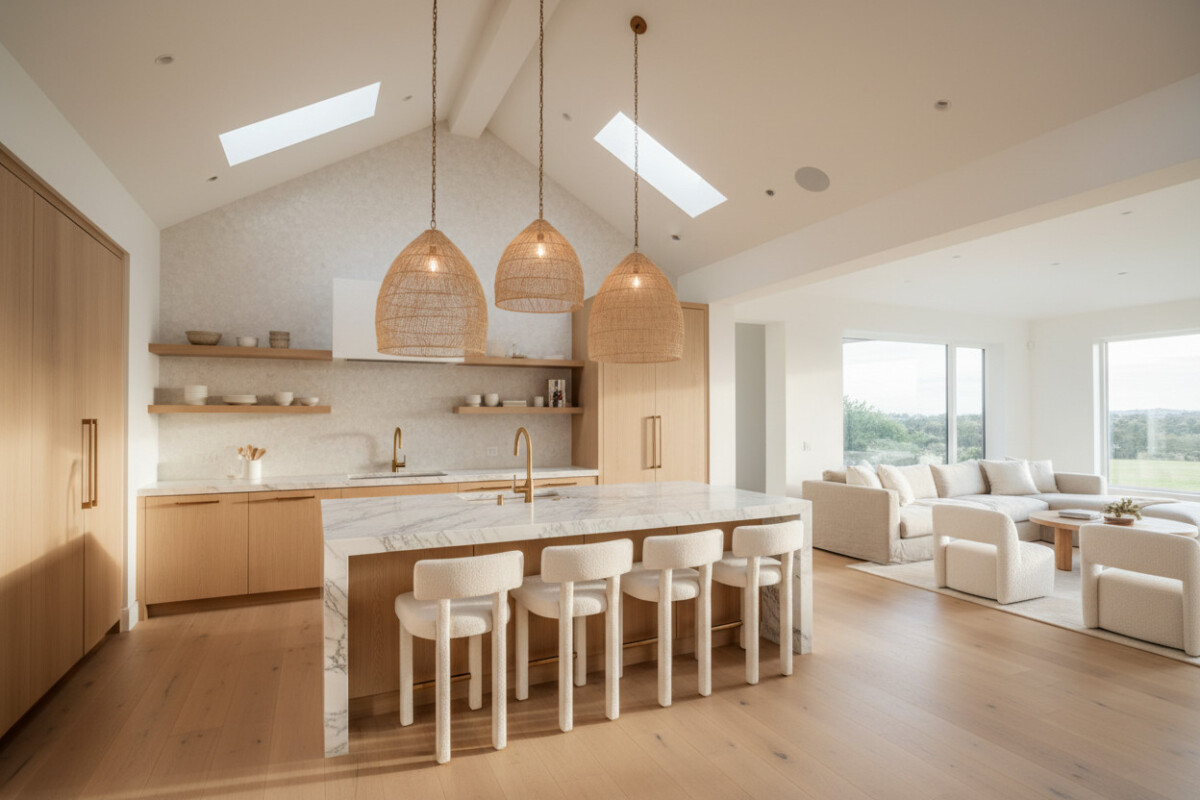
Have you ever stepped into a breathtaking, magazine-worthy kitchen, only to realize that boiling a simple pot of pasta feels like running an exhausting obstacle course? It is a common dilemma for homeowners who prioritize aesthetics over ergonomics during a remodel. While glossy cabinets, striking marble waterfalls, and modern brass hardware can make a space visually stunning, they do not guarantee efficiency. In fact, there are several specific kitchen design choices making cooking harder every single day.
When you are in the middle of preparing a complex meal, the last thing you want to do is bump into an oversized island, struggle to find an outlet for your blender, or constantly walk back and forth across the room just to grab a spatula. A kitchen is primarily a functional workspace, and its design should support the chef, not hinder them. By understanding the common pitfalls of kitchen remodeling, you can avoid these frustrating hurdles. In this comprehensive guide, we will explore the flawed layouts, storage blunders, and aesthetic traps that ruin functionality, alongside practical solutions to ensure your culinary space is as efficient as it is beautiful.
The Importance of a Functional Kitchen Layout
The layout is the foundational blueprint of your kitchen. Even with the highest-end appliances and the most expensive custom cabinetry, a poorly conceptualized layout will create daily friction. When designing a kitchen, it is vital to map out exactly how you move through the space during the cooking process.
1. Ignoring the Classic Work Triangle
For decades, professional designers have sworn by the “kitchen work triangle”—the invisible line that connects the refrigerator, the sink, and the stove. This concept was developed to ensure that the three main workstations are in close proximity, minimizing unnecessary steps. One of the most common mistakes is completely ignoring this rule. When the distance between these three points is too large, cooking becomes physically exhausting. Conversely, if they are placed too close together, the workspace feels cramped, leaving no room for multiple people to navigate the area.
How to Fix It: Aim for each leg of the work triangle to be between four and nine feet long. Ensure that no major household traffic patterns intersect these invisible lines. If you have a massive, modern kitchen, consider breaking the space into distinct functional “zones” (prep, cook, wash) rather than relying strictly on the traditional triangle.
2. Disrupting the Traffic Flow
An oversized kitchen island is a highly coveted feature, but cramming a massive island into a narrow kitchen is a layout disaster. If your island obstructs the walkway between your prep area and the stove, you will find yourself constantly sidestepping it with hot pans, boiling water, or sharp knives in hand. Poor traffic flow creates a dangerous bottleneck, especially in busy, multi-cook households.
How to Fix It: Maintain a minimum of 42 inches of clearance between your island and the surrounding cabinets or appliances. If multiple people regularly cook or congregate in the kitchen together, aim for 48 inches. If your space cannot accommodate an island with these clearances, opt for a mobile butcher block cart or a peninsula layout instead.
Poor Countertop Space and Placement
Countertops are the workbench of your kitchen. Not having enough surface area—or having it in the entirely wrong places—drastically slows down your meal preparation and creates frustrating limitations.
3. Lack of Landing Zones Next to Appliances
Imagine pulling a bubbling, heavy casserole dish out of a hot oven. Now imagine realizing the nearest empty countertop is three steps away across a slippery floor. A “landing zone” is a designated countertop space immediately adjacent to major appliances like the oven, microwave, and refrigerator. Failing to include these drop zones is a major safety hazard and one of the most frustrating kitchen design choices making cooking harder.
How to Fix It: Always plan for at least 15 inches of continuous countertop space on either side of the cooktop and refrigerator. If you have a built-in wall oven or a microwave, ensure there is a heat-resistant landing pad directly below or beside it so you never have to travel far with hot food.
4. Choosing the Wrong Countertop Material
While brilliant white marble looks impeccable on social media boards, it is an incredibly porous and delicate stone. Spilling red wine, lemon juice, or tomato sauce on unsealed marble can cause permanent etching and staining. If you are a heavy cook who constantly worries about ruining your countertops, your kitchen design is actively inhibiting your culinary freedom. Spending more time maintaining your kitchen than actually cooking in it defeats the purpose of the space.
How to Fix It: If you love the organic look of natural stone but want a low-maintenance, worry-free cooking experience, consider high-quality quartz or quartzite. These engineered or ultra-hard natural stones are non-porous, highly stain-resistant, and do not require the frequent and tedious sealing that marble or soapstone demands.
Storage Mistakes That Slow You Down
Organization is the secret ingredient to a smooth cooking experience. When your tools, spices, and heavy pots are hidden behind awkward doors or buried in the dark recesses of deep cabinets, the joy of cooking quickly turns into a dreaded chore.
5. Inefficient Cabinetry and Deep Shelves
Standard lower cabinets featuring fixed wooden shelves are a relic of the past that should be left behind in modern renovations. Storing heavy cast iron skillets or bulky food processors on a deep bottom shelf requires you to get on your hands and knees, pulling everything out just to reach the one item hidden in the back. This inevitably leads to a disorganized, cluttered mess where you simply stop using the appliances that are too difficult to access.
How to Fix It: Replace deep lower cabinets with deep, heavy-duty drawer stacks. Drawers allow you to pull the entire contents out into the light, giving you top-down visibility and immediate ergonomic access to pots, pans, and heavy dishware. For existing cabinets that you cannot replace, install aftermarket slide-out wire organizers.
6. Poor Spice and Utensil Accessibility
Another widespread error is storing everyday cooking utensils and spices too far from the stove. If you have to walk completely across the kitchen to grab the kosher salt or a silicone spatula while your onions are rapidly sautéing, you risk burning your food and ruining your meal.
How to Fix It: Keep your most frequently used flavorings and tools in the primary cooking zone. Utilize a narrow pull-out spice rack directly next to the range, and ensure the top drawer nearest to the stove is dedicated entirely to cooking utensils, tongs, and wooden spoons.
Lighting and Electrical Blunders
You cannot chop vegetables safely or season effectively if you cannot clearly see what you are doing, nor can you puree a soup if you have nowhere to plug in your immersion blender.
7. Insufficient Task Lighting
Relying solely on overhead ambient lighting is a critical functional error. When you stand at the counter to chop ingredients, your own body blocks the overhead light, casting a dark, intrusive shadow directly over your cutting board workspace. This not only makes cooking harder and more frustrating but also increases the risk of serious knife accidents.
How to Fix It: Install under-cabinet LED task lighting. This provides focused, shadow-free illumination exactly where you need it most—on the countertops. Layering your lighting scheme with ambient (recessed ceiling lights), task (under-cabinet strips), and accent (decorative pendants) ensures the room is both highly functional and warmly inviting.
8. Not Enough Accessible Outlets
In older kitchens, or poorly planned modern ones, electrical outlets are often sparse or inconveniently located. Dragging a heavy stand mixer across the kitchen simply because it is the only place with a free electrical socket is incredibly inefficient and limits where you can prep.
How to Fix It: Ensure you have multiple outlets spread evenly across your backsplash, particularly in your designated prep zones and appliance garages. Consider installing pop-up outlets in your kitchen island to facilitate easy use of hand mixers, blenders, and food processors directly on the large island surface.
Sink and Appliance Mishaps
The appliances and plumbing fixtures you choose dictate the rhythm of your cleanup and prep work. If they are poorly sized or awkwardly placed, the workflow breaks down completely.
9. Selecting a Sink That is Too Small or Shallow
Double-basin sinks with an equal 50/50 split were wildly popular for washing and rinsing dishes by hand, but they make washing large sheet pans, roasting racks, and oversized cutting boards nearly impossible. Struggling to angle a greasy pan under the faucet without splashing dirty water everywhere is a glaring sign of a kitchen working against you.
How to Fix It: Upgrade to a large, wide single-basin sink. A spacious and deep single bowl can easily accommodate your largest roasting pots and baking sheets, making cleanup significantly faster and keeping the soapy mess contained within the basin.
10. Awkwardly Placed Dishwashers
Placing the dishwasher too far from the sink, or positioning it so that the open door completely blocks access to the garbage pull-out or upper dish storage cabinets, creates an infuriating cleanup routine. You should not have to perform acrobatics just to load dirty plates.
How to Fix It: The dishwasher should be located immediately adjacent to the sink. Furthermore, ensure that when the dishwasher door is fully extended downwards, you can still comfortably stand at the sink to rinse, and turn around to put clean dishes away in the nearest cabinet without trapping yourself in a corner.
Form Over Function: The Aesthetic Trap
Finally, homeowners must beware of trendy design features that look breathtaking in architectural photographs but fail miserably in practical, daily application.
11. Open Shelving Everywhere
Replacing all functional upper cabinets with minimalist open floating shelves is a massive trend. However, if these shelves are situated near the stove, everything on them will eventually be coated in a sticky layer of aerosolized cooking grease mixed with household dust. Instead of just washing dishes when you use them, you will find yourself constantly washing clean dishes just to remove the grime before plating your food.
How to Fix It: Limit open shelving to areas far away from the range, such as a dedicated coffee station or a remote display area. Use them for frequently grabbed items like daily water glasses, or purely decorative pieces, while keeping the bulk of your plates and cookware protected behind closed cabinet doors.
12. Hard-to-Clean Flooring and Backsplashes
Heavily textured stone backsplashes or porous tile floors trap dirt, grease splatters, and food particles. Scrubbing dried tomato sauce out of the deep crevices of a rough, stacked stone backsplash is incredibly tedious and time-consuming.
How to Fix It: Opt for smooth, easily wipeable surfaces in high-splash zones behind the stove and sink. Ceramic subway tile, solid quartz slabs, or sleek glass tiles make for beautiful and low-maintenance backsplashes that wipe perfectly clean with a simple damp cloth.
Conclusion
Designing a kitchen is a delicate balancing act between visual appeal and sheer functionality. By recognizing and avoiding these kitchen design choices making cooking harder, you can create a culinary space that intuitively supports your daily routine. Prioritize a smart layout with an efficient work triangle, insist on ample landing zones, optimize your task lighting, and choose durable materials that align with a busy lifestyle. When form properly follows function, you will end up with a kitchen that not only looks spectacular to guests but makes every single meal preparation an absolute joy for the chef.