Table of Contents
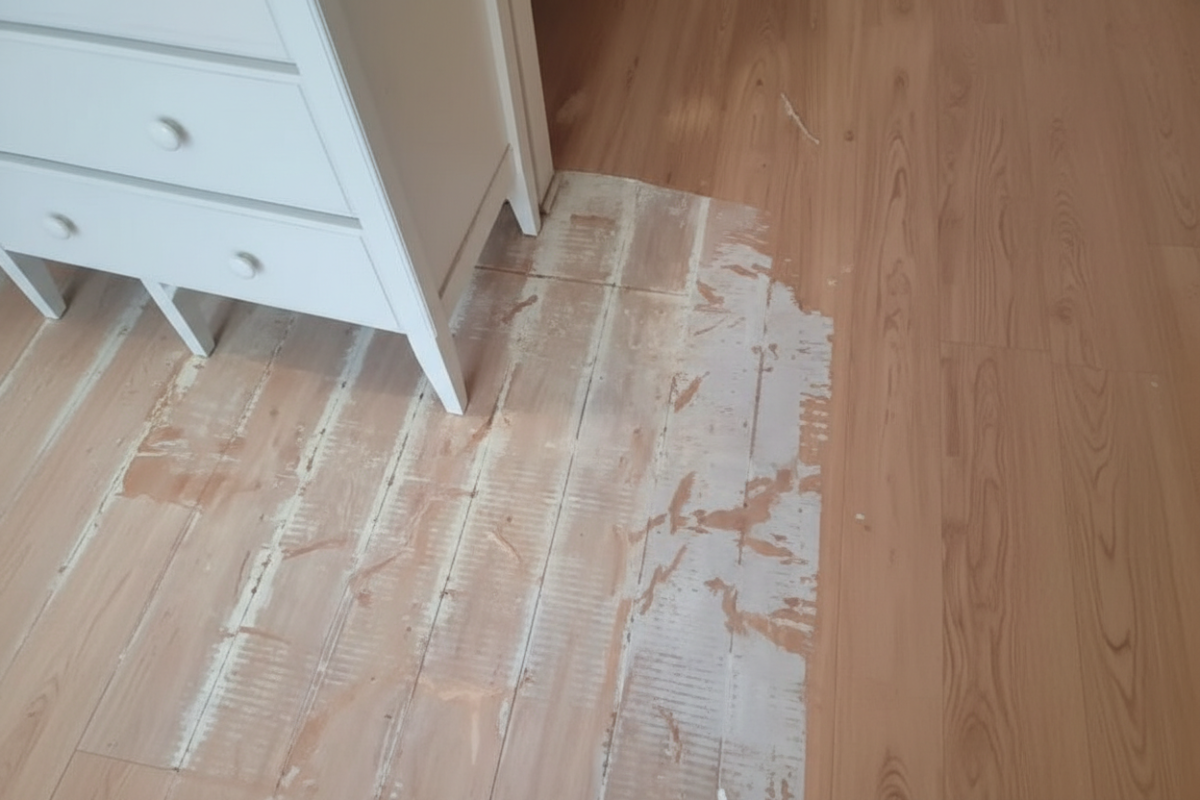
Discovering a sticky, stubborn mess on your beautiful hardwood floors can be incredibly frustrating. Whether you have recently pulled up an old area rug, removed tape used during a painting project, or accidentally spilled craft glue, dealing with the leftover residue requires a careful approach. Hardwood floors add immense value, warmth, and aesthetic appeal to any home, but their finishes can be delicate and prone to scratching, discoloration, or warping if treated improperly.
If you are wondering how to successfully remove adhesive from wood floors without causing irreversible damage, you have come to the right place. In this comprehensive guide, we will walk you through the safest, most effective methods for tackling everything from minor tape residue to thick, stubborn glue globs. By the end of this article, your wood floors will be clean, smooth, and shining like new again.
Why You Must Be Careful with Hardwood Floor Finishes
Before diving into the removal techniques, it is essential to understand why wood floors require specialized care. Most modern hardwood floors are sealed with a protective layer, such as polyurethane, aluminum oxide, or natural oil. This topcoat is what gives the wood its shine and protects it from moisture, dirt, and daily wear and tear.
When you attempt to remove adhesive from wood floors using harsh chemicals, acidic solutions, or abrasive tools, you run the risk of stripping away this protective finish. Once the finish is compromised, the bare wood underneath becomes vulnerable to moisture damage, staining, and permanent gouging. Additionally, using excessive water can cause the wood planks to warp, cup, or buckle. Therefore, the golden rule of adhesive removal on hardwood is to start with the gentlest method possible and gradually move to stronger solutions only if necessary. Always perform a spot test in an inconspicuous area (like a closet or behind a piece of furniture) before applying any new substance to the middle of your floor.
Essential Tools and Materials
To successfully remove adhesive from wood floors, you will need to gather a few essential supplies. Having the right tools on hand ensures that you can work efficiently without resorting to dangerous, makeshift scraping devices.
- Plastic Scraper or Old Credit Card: Never use metal putty knives, razors, or wire brushes, as these will instantly scratch your floor’s finish. A plastic scraper provides a firm edge without the sharp bite of metal.
- Microfiber Cloths: These soft, highly absorbent towels are perfect for wiping away softened glue and cleaning up liquid residues without scratching the floor.
- Hair Dryer or Heat Gun: Heat is one of the most effective ways to soften hardened adhesives.
- Mild Dish Soap and Warm Water: For gentle cleaning.
- White Vinegar: A natural, mild acid that helps break down sticky residues.
- Natural Oils: Olive oil, coconut oil, or even peanut butter can be used to loosen chemical adhesive bonds.
- Commercial Adhesive Remover: Products specifically formulated for safe use on finished wood.
- Ice Cubes: For freezing thick, gummy adhesives.
Step-by-Step Methods to Remove Adhesive from Wood Floors
There is no one-size-fits-all solution for adhesive removal, as the type of glue, the age of the residue, and the specific finish of your floor all play a role in determining the best approach. Here are six highly effective methods to remove adhesive from wood floors, ranging from the gentlest natural solutions to targeted commercial products.
Method 1: Softening the Glue with Heat
One of the safest and most effective ways to remove adhesive from wood floors is by using heat. Heat softens the chemical bonds of the glue, turning it from a hard, stubborn mass into a pliable, easy-to-wipe substance.
- Plug in a standard hair dryer and set it to a medium or high heat setting. Avoid using industrial heat guns if possible, as they can quickly scorch the wood finish if left in one spot for too long.
- Hold the hair dryer a few inches above the adhesive residue and move it back and forth continuously for about one to two minutes.
- Once the glue feels soft and tacky to the touch, gently scrape it away using your plastic scraper or the edge of an old credit card. Hold the scraper at a shallow, 45-degree angle to avoid digging into the wood.
- Wipe away the remaining loose residue with a dry microfiber cloth. If there is still a thin layer of stickiness left behind, move on to Method 2.
Method 2: Warm Water and Mild Dish Soap
For water-soluble adhesives or light tape residue, a simple mixture of warm water and mild dishwashing liquid might be all you need.
- Mix a few drops of mild dish soap into a bowl of warm water until it becomes sudsy.
- Dip a microfiber cloth into the soapy water and wring it out completely so that it is only slightly damp. You never want to leave standing water on your hardwood floors.
- Place the damp, warm cloth directly over the adhesive spot and let it sit for about three to five minutes. The moisture and gentle surfactants will help break down the stickiness.
- Remove the cloth and gently scrub the area. The adhesive should begin to pill up and roll off the floor.
- Dry the area immediately with a clean, dry towel to prevent moisture from seeping into the wood grains.
Method 3: The Power of Natural Oils
If heat and soap aren’t enough, natural oils are incredibly effective at breaking down the structural integrity of synthetic adhesives. Olive oil, mineral oil, or even a dollop of creamy peanut butter can work wonders.
- Apply a small amount of oil directly to the adhesive residue. If using peanut butter, smear a thin layer over the sticky spot.
- Allow the oil to sit and penetrate the glue for at least 10 to 15 minutes. The oil will seep into the adhesive, making it lose its grip on the floor’s finish.
- Take your plastic scraper and gently push under the edge of the softened glue. It should slide off with minimal resistance.
- Because oil can leave your floor dangerously slippery, immediately clean the area with a damp soapy cloth, followed by a thorough drying with a microfiber towel.
Method 4: Using White Vinegar
White vinegar is a staple in natural home cleaning and is mildly acidic, making it a great candidate to remove adhesive from wood floors safely.
- Mix a solution of one part white vinegar to one part warm water.
- Dampen a soft cloth in the vinegar solution and wring it out well.
- Rub the cloth over the sticky residue in a gentle, circular motion. If the adhesive is particularly stubborn, you can leave the damp cloth resting on the spot for a few minutes.
- Once the glue has loosened, wipe it away completely.
- Ensure you wipe the area down with a fresh cloth dampened only with plain water to remove the acidic vinegar residue, then dry thoroughly.
Method 5: Freezing Gummy Adhesives
For thick, gummy substances like chewing gum, poster putty, or heavy construction adhesives, heat might make the situation worse by melting it into a smeary mess. In these cases, freezing is the better option.
- Place a handful of ice cubes into a sealed plastic zip-top bag to prevent water from leaking onto the floor.
- Set the bag of ice directly on top of the adhesive blob and leave it there for 10 to 15 minutes.
- Once the adhesive has frozen solid and become brittle, immediately take your plastic scraper and gently chip away at the edges.
- The frozen glue should pop off the floor in solid chunks. If it begins to soften, reapply the ice bag and try again.
Method 6: Commercial Adhesive Removers
When natural methods fail, you may need to rely on commercial adhesive removers. Products specifically designed to tackle sticky messes are formulated to dissolve glue rapidly.
- Always read the manufacturer’s label to ensure the product is explicitly marked as safe for finished hardwood floors.
- Perform a spot test in a hidden area. Wait 15 minutes to ensure the product does not cloud, strip, or discolor your wood finish.
- Apply a small amount of the adhesive remover onto a microfiber cloth rather than pouring it directly onto the floor.
- Rub the cloth over the sticky residue until the adhesive begins to dissolve.
- Once the floor is clean, wash the area thoroughly with a wood-safe floor cleaner or damp soapy cloth to remove any lingering chemical solvents.
Common Mistakes to Avoid
When attempting to remove adhesive from wood floors, frustration can quickly lead to costly mistakes. Keep these critical warnings in mind to protect your home’s flooring investment.
Never Use Abrasive Scrapers
It can be incredibly tempting to grab a metal putty knife, a razor blade, or a piece of steel wool to aggressively attack a stubborn patch of glue. However, metal tools will inevitably slice through your protective polyurethane finish and gouge the wood beneath. Always stick to plastic scrapers, old credit cards, or your fingernails.
Do Not Let Liquids Pool on the Wood
Wood is highly porous. If you allow water, vinegar, or liquid commercial solvents to pool on the floor for extended periods, the liquid will seep between the floorboards. This can cause the wood to expand, warp, and buckle, leading to irreversible structural damage that requires complete floor replacement. Always wring out your cloths thoroughly and dry the area immediately after cleaning.
Skipping the Spot Test
What works perfectly on one hardwood floor might permanently damage another. Floors sealed with natural oils or wax react very differently to cleaning agents than floors sealed with modern aluminum oxide finishes. Taking two minutes to perform a hidden spot test can save you from a massive flooring disaster.
Restoring the Floor’s Shine After Adhesive Removal
Once you have successfully managed to remove adhesive from wood floors, you might notice that the cleaned area looks slightly dull or different from the surrounding wood. This is entirely normal, especially if you used oils or commercial solvents that stripped away surface dirt or floor polish.
To restore the uniform shine of your hardwood floor, start by giving the entire section a gentle cleaning using a high-quality, pH-neutral wood floor cleaner. Avoid using mop-and-shine products, as these leave a temporary acrylic residue that can build up and look cloudy over time. Instead, buff the recently cleaned area with a dry, clean microfiber cloth. If your floor has a wax finish, you may need to reapply a small amount of paste wax to the affected spot and buff it to match the surrounding sheen.
Conclusion
Finding sticky messes on your hardwood does not have to be a cause for panic. By understanding the delicate nature of wood finishes and utilizing the correct tools, you can handle the situation like a pro. Whether you opt to soften the glue with a hair dryer, break it down with natural oils, freeze it with ice, or carefully apply a commercial solvent, patience is your best friend.
Always start with the mildest option, take your time, and gently work the residue away rather than forcing it. If you follow the detailed steps outlined in this guide, you will be able to remove adhesive from wood floors effortlessly, preserving the timeless beauty, warmth, and integrity of your home’s flooring for decades to come.