Table of Contents
As the crisp autumn leaves give way to the harsh, biting cold of winter, homeowners everywhere begin their seasonal preparations. You might have already cleaned your gutters, sealed your windows, and scheduled a furnace tune-up. However, an often-overlooked step in winterizing your home is evaluating the items scattered across your yard, patio, and driveway. Plunging temperatures, heavy ice, and relentless snow can wreak absolute havoc on everyday household and garden goods. Knowing the exact things you should never leave outside in winter can save you hundreds, if not thousands, of dollars in preventable replacement costs.
Leaving the wrong items exposed to the elements doesn’t just result in cosmetic wear and tear; it can lead to permanent functional damage, chemical hazards, and even dangerous explosions. In this comprehensive guide, we will explore the science behind cold-weather damage and detail the crucial items you must bring indoors before the first hard freeze hits your region.
Why Freezing Temperatures Are So Destructive
To understand why winter weather is so damaging to certain materials, it is essential to understand the basic science of thermal contraction and expansion. When the temperature drops, most materials contract. However, water does the exact opposite. When water freezes into ice, it expands by approximately nine percent.
This simple scientific fact is the primary culprit behind winter damage. Any item that is porous, contains liquid, or traps moisture is at severe risk when left outside. When the trapped water freezes and expands, it exerts immense pressure on its container, causing rigid materials to crack, shatter, or burst.
Additionally, sub-zero temperatures drastically affect chemical compositions. Batteries lose their ability to hold a charge, liquid compounds like paint separate and become unusable, and certain plastics lose their flexibility, becoming dangerously brittle. To protect your investments, you must be proactive.
The Ultimate List of Things You Should Never Leave Outside in Winter
If you are currently looking out at your backyard and wondering what needs to be packed away, use this detailed checklist. These are the top items that require a climate-controlled environment or, at the very least, a frost-free garage or basement during the winter months.
1. Garden Hoses and Irrigation Equipment
Garden hoses are perhaps the most common victims of winter neglect. Even if you think you have drained your hose entirely, trace amounts of water often remain clinging to the interior lining. When winter sets in, that residual water freezes and expands, causing tiny micro-tears or large ruptures in the rubber or vinyl. By the time spring arrives, your hose will be riddled with leaks.
Furthermore, plastic and metal spray nozzles left attached to hoses can crack or fuse to the fitting. Always detach your hoses from the outdoor spigots, drain them as thoroughly as possible by walking the length of the hose, coil them neatly, and store them in a garage or shed. Leaving a hose attached to a spigot can also cause your home’s internal pipes to freeze and burst, leading to catastrophic indoor flooding.
2. Terracotta, Ceramic, and Clay Planters
Beautiful terracotta and ceramic pots are staples of summer gardening, but they are highly susceptible to cold weather. These materials are inherently porous, meaning they act like rigid sponges, soaking up moisture from the soil, rain, and humidity.
When the temperature dips below freezing, the moisture trapped inside the walls of the pot freezes and expands. This process causes the pots to flake, crack, or completely shatter from the inside out. Even if a pot is emptied of soil, leaving it exposed to snow and ice will eventually destroy it. To preserve your expensive planters, empty the dirt, scrub them clean with a mild bleach solution to kill any lingering plant diseases, dry them thoroughly, and stack them upside down in a sheltered, dry environment.
3. Power Tools and Rechargeable Batteries
Many homeowners leave their drills, leaf blowers, and trimmers sitting on a workbench in an uninsulated shed or out in the open. This is a massive mistake. The metal gears and internal components of power tools are prone to rust and corrosion when exposed to winter dampness and fluctuating temperatures.
More importantly, the lithium-ion batteries that power modern cordless tools degrade rapidly in extreme cold. Subjecting these batteries to freezing temperatures can permanently reduce their maximum capacity, shorten their lifespan, or cause them to die completely. Always remove batteries from your tools and store them indoors at room temperature.
4. Leftover Paint and Household Chemicals
If your garage is unheated, it is not a safe place to store leftover interior or exterior paint. Latex paint is water-based. If it freezes, the water separates from the chemical emulsion. While you can sometimes mix separated paint back together, freezing often ruins the consistency, leaving it stringy, clumpy, and completely unusable for future touch-ups.
Similarly, many household cleaning chemicals, weed killers, and liquid fertilizers lose their efficacy when subjected to freezing and thawing cycles. Check the labels on all your liquids and chemicals; if they specify “protect from freezing,” move them to a utility closet or basement inside your heated home.
5. Pressure Washers and Water-Based Equipment
A pressure washer is a significant investment that can be destroyed in a single freezing night. The internal pump of a pressure washer continuously cycles water, and it is nearly impossible to drain 100% of that water out simply by tilting the machine. If left in a freezing environment, the water inside the pump will expand and crack the internal seals or the pump housing itself.
To properly winterize a pressure washer, you must run a specialized pump antifreeze (often called “pump saver”) through the system to push out the residual water and lubricate the seals. Even after using a pump saver, it is highly recommended to store the machine in a space where temperatures do not drop below freezing.
6. Certain Types of Patio Furniture
While some outdoor furniture is designed to withstand a blizzard, many popular materials are not. Wicker and natural rattan absorb moisture and will become incredibly brittle, breaking easily under the weight of heavy snow or even a slight bump.
Glass patio table tops are also at high risk. As temperatures fluctuate between freezing nights and slightly warmer, sunny days, the glass expands and contracts unevenly, which can lead to spontaneous shattering. Even sturdy wrought iron furniture is vulnerable; tiny scratches in the protective paint will invite moisture, leading to aggressive rust over the winter. If you cannot bring your patio furniture indoors, you must cover it with heavy-duty, waterproof, and breathable furniture covers to keep moisture out.
7. Canned Goods and Beverages
Whether you are using your garage as a makeshift pantry or you simply forgot a case of soda in the trunk of your car, leaving canned goods and beverages in the cold is a recipe for disaster.
When the high water content inside canned food freezes, it expands and pushes against the tin. This expansion breaks the airtight seal of the can. Once the seal is broken, bacteria can enter, raising the risk of severe foodborne illnesses like botulism. As for carbonated beverages, beer, and wine, the combination of expanding freezing liquid and pressurized carbonation will cause the cans or bottles to violently explode, leaving a sticky, dangerous mess for you to clean up.
8. Glass Containers, Lanterns, and Decor
Outdoor string lights, glass lanterns, and decorative yard art add a beautiful touch to your landscaping, but thin glass does not fare well in winter. Thin glass can easily crack due to rapid temperature changes. Furthermore, if a glass container or lantern fills with autumn rainwater that subsequently freezes, the expanding ice will shatter the glass into hazardous shards hidden beneath the winter snow. Carefully pack away fragile outdoor decor to ensure it survives for another spring season.
9. Electronic Devices and Outdoor TVs
Outdoor entertainment spaces are incredibly popular, but TVs, portable speakers, and projectors require special care. The liquid crystal display (LCD) screens in televisions can actually freeze, resulting in permanent dead pixels or a totally ruined display. Furthermore, moving an electronic device from a freezing outdoor environment into a warm indoor environment causes rapid condensation to form on the internal circuit boards, which will instantly short out the device when powered on. Always bring portable electronics inside, and if you have a mounted outdoor TV, ensure it is specifically rated for extreme winter weather and protected by an insulated, weatherproof cover.
How to Properly Store Your Outdoor Items
Knowing the things you should never leave outside in winter is only half the battle; knowing how to store them is just as important.
- Clean Before Storing: Never store items covered in dirt, mud, or moisture. Dirt holds moisture, which promotes mold, mildew, and rust. Wipe down tools, wash patio furniture cushions, and dry everything completely before packing it away.
- Utilize Vertical Space: To maximize space in your garage or basement, install heavy-duty shelving. Keeping items off the cold concrete floor helps regulate their temperature and protects them from potential melting snow or minor flooding.
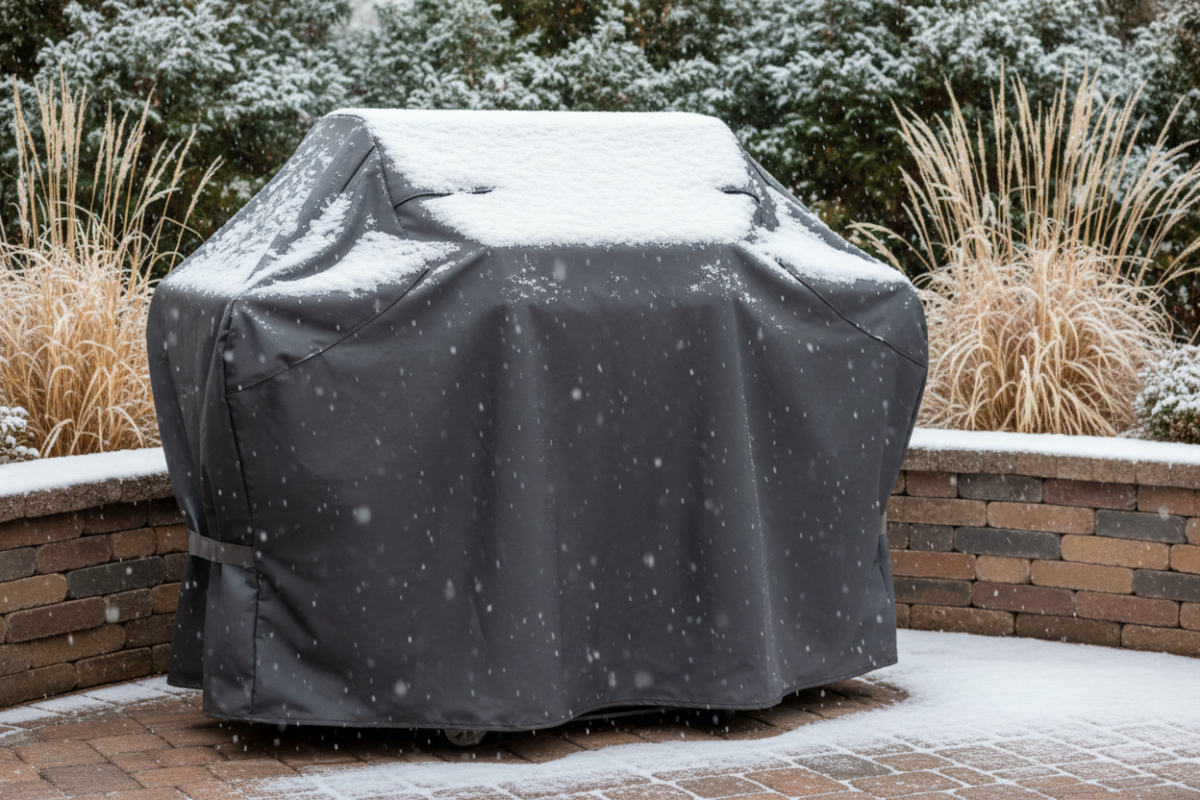
- Use Breathable Covers: If you must leave large items in an unheated garage or under a patio overhang, use breathable canvas covers rather than tight plastic tarps. Plastic traps condensation, which will freeze and cause the very water damage you are trying to avoid.
Conclusion
Preparing your home for the coldest months of the year requires a bit of forethought, but the effort is incredibly rewarding. By taking an afternoon to survey your property and relocate vulnerable items, you extend their lifespan, protect your hard-earned money, and maintain the aesthetic beauty of your home. Remember, from your everyday garden hoses and porous terracotta pots to expensive power tools and leftover paint, knowing the things you should never leave outside in winter is the ultimate key to responsible homeownership. Stay warm, be proactive, and enjoy the peace of mind that comes with a perfectly winterized home.