Table of Contents
The kitchen is universally celebrated as the heart of the home. It is a bustling, high-traffic hub where meals are meticulously prepared, families gather to discuss their day, and memories are made over morning coffee or midnight snacks. Because of its undeniably central role in our daily lives, remodeling a kitchen is one of the most exciting—and expensive—home improvement projects you can possibly undertake. With endless inspiration readily available on social media platforms, design blogs, and home improvement television shows, it is incredibly easy to get swept up in the latest aesthetic trends.
However, what looks visually stunning on a glowing screen or in a glossy magazine doesn’t always translate well to everyday, messy reality. When planning a major renovation, it is absolutely crucial to balance striking aesthetic appeal with long-term, rugged functionality. If you are preparing for a massive design overhaul, knowing which fleeting trends and specific layouts to avoid is just as important as knowing exactly what you want. In this comprehensive, deep-dive guide, we will explore the most common kitchen features homeowners regret adding to their spaces. By studying and learning from the well-documented missteps of others, you can ensure your hard-earned dream kitchen remains a constant source of joy rather than a daily frustration.
The Crucial Intersection of Style and Functionality
Before diving into the specific elements that often lead to buyer’s remorse, it is important to understand why these regrets happen in the first place. Kitchen remodels require thousands of micro-decisions, from cabinet hardware and paint finishes to plumbing fixtures and spatial layouts. Often, homeowners make choices based purely on the emotional appeal of a design trend, temporarily forgetting how they actually utilize their kitchen space on a random Tuesday evening.
A truly successful kitchen design must seamlessly marry form and function. It needs to accommodate the frantic rush of getting kids ready for school, the heavy-duty cleaning required after a massive holiday feast, and the quiet moments of baking on a lazy Sunday. When functionality is sacrificed at the altar of high design, regrets quickly follow. The key to a timeless kitchen is anticipating your future needs and refusing to compromise on practicality just to achieve a “magazine-ready” look.
10 Common Kitchen Features Homeowners Regret
If you are finalizing your blueprints or picking out materials, pause and review this list. Here are the top features that consistently lead to post-renovation regret, along with practical, stylish alternatives.
1. High-Maintenance Marble Countertops
There is no denying the breathtaking, classic beauty of natural marble. With its crisp white background and elegant, sweeping gray veins, marble has been the darling of high-end kitchen design for centuries. However, marble is incredibly porous and remarkably soft compared to other stones. Homeowners quickly discover that a single splash of red wine, a forgotten slice of lemon, or a splash of tomato sauce can cause permanent staining or etching (a dulling of the surface caused by acidic reactions).
The daily stress of aggressively guarding your countertops from normal culinary activities completely drains the joy out of cooking.
The Alternative: Opt for high-quality quartz or quartzite. Modern manufacturing techniques have allowed quartz to flawlessly mimic the luxurious look of marble while offering a completely non-porous, highly durable, and stain-resistant surface that requires zero annual sealing.
2. Open Shelving Instead of Upper Cabinets
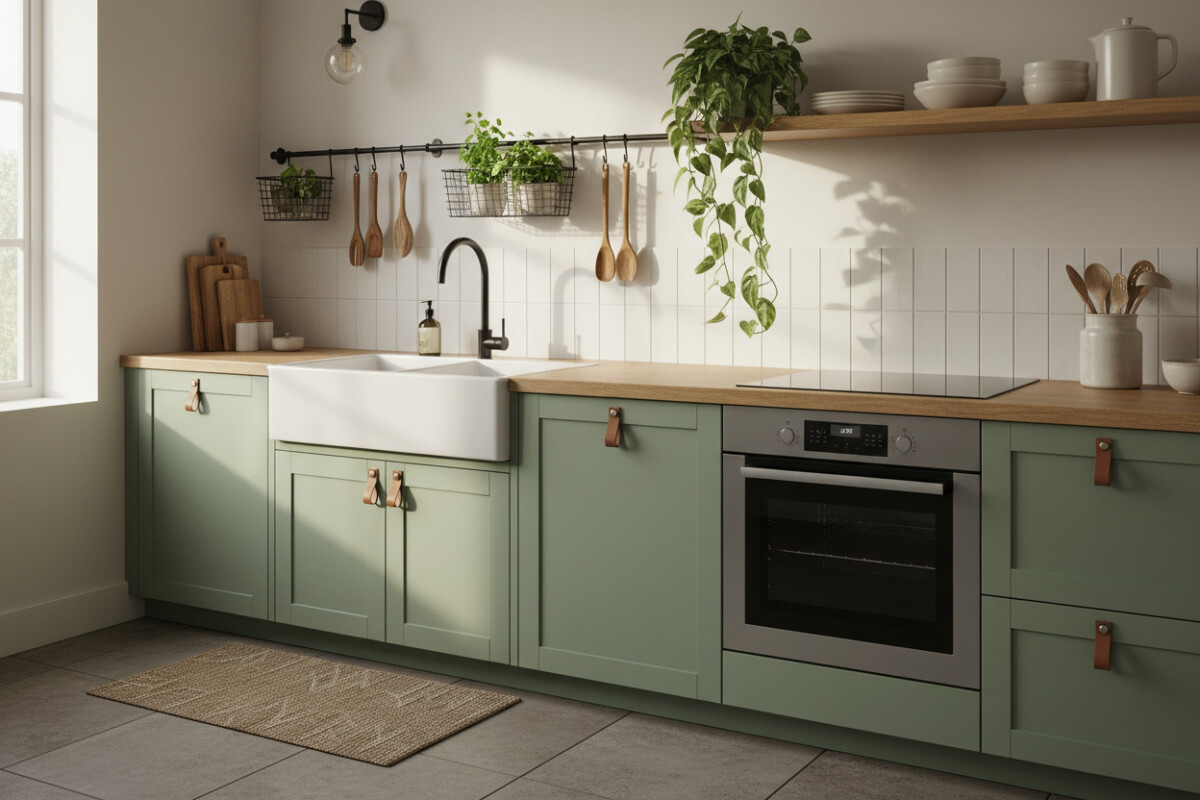
Open shelving has dominated design boards for years, promising an airy, casual, and styled appearance. While replacing upper cabinets with rustic wood shelves looks phenomenal in highly curated, perfectly staged photographs, it is often a practical nightmare in real life.
First, open shelving forces you to have perfectly matching, aesthetically pleasing dishware at all times—there is nowhere to hide your mismatched plastic tupperware or chipped novelty mugs. Second, kitchens are inherently greasy and dusty environments. Everything stored on open shelves will require constant washing, even if it hasn’t been used, simply because it sits out in the open accumulating cooking grime.
The Alternative: If you love the open look, compromise by installing standard upper cabinets with glass-front doors. You get the visual depth and display capability without the relentless dusting and grease accumulation.
3. Overly Trendy and Colorful Backsplashes
The backsplash is often viewed as the perfect canvas to inject personality and bold design choices into a kitchen. Consequently, many homeowners opt for highly specific geometric patterns, brilliantly colored Moroccan tiles, or highly textured mosaic materials.
The regret sets in roughly three to five years later when that specific trend aggressively falls out of fashion, instantly dating the entire kitchen. Furthermore, deeply textured tiles are notoriously difficult to scrub clean when splattered with cooking oil or sauce. Replacing a backsplash is a messy, expensive, and time-consuming project.
The Alternative: Stick to timeless, neutral classics like a simple ceramic subway tile, or run your countertop slab directly up the wall for a seamless, incredibly easy-to-clean, and ultra-luxurious aesthetic.
4. Dark or Matte Kitchen Cabinets
Navy blue, forest green, and matte black cabinets have surged in popularity, offering a dramatic, moody, and sophisticated departure from the ubiquitous all-white kitchen. While beautiful in theory, dark cabinets are notoriously unforgiving.
Ironically, dark and matte finishes show significantly more dirt, dust, water drips, and oily fingerprints than lighter colors. Keeping them looking pristine requires constant, daily wiping. Additionally, if your kitchen lacks abundant natural light, dark cabinetry can visually shrink the room, making it feel cavernous and oppressive rather than cozy.
The Alternative: If you crave darker tones, utilize a two-toned approach. Keep your upper cabinets light and airy (white or cream) and reserve the darker, moodier shades specifically for the lower cabinets or the base of the kitchen island.
5. The Oversized, Impractical Kitchen Island
The kitchen island has evolved from a simple prep station into a massive dining table, homework desk, and entertainment center. While having a large island is desirable, installing an oversized island that disrupts the room’s flow is a massive mistake.
If an island is so wide that you cannot comfortably reach the center to wipe it clean without climbing onto a stool, it is simply too big. Moreover, if the island encroaches on the standard 36 to 42-inch minimum clearance walkways, it will create frustrating traffic jams every time someone opens the dishwasher or the refrigerator door.
The Alternative: Map out your kitchen flow with painter’s tape on the floor before committing to an island size. Ensure you have ample clearance for multiple people to navigate the kitchen simultaneously.
6. Over-the-Range Microwaves
Mounting a microwave directly over the stove seems like a brilliant space-saving hack, and it is a standard feature in many builder-grade homes. However, it is a frequent point of remodeling regret for several critical reasons.
First, over-the-range microwaves generally offer terrible ventilation. Instead of effectively venting smoke and cooking odors outside, they often just clumsily recirculate greasy air back into your face. Second, reaching high over a bubbling, steaming pot of boiling water to remove a heavy, hot bowl of food from the microwave is an ergonomic nightmare and a genuine safety hazard, especially for shorter individuals or children.
The Alternative: Invest in a sleek, high-powered, dedicated range hood to serve as a visual focal point and proper ventilator. Relocate the microwave to a built-in shelf in the pantry, or install a modern microwave drawer in your lower cabinetry.
7. Ignoring Deep Drawers for Lower Storage
For decades, standard kitchen layouts relied heavily on lower cabinets outfitted with fixed internal shelves. Homeowners who stick to this traditional layout during a remodel almost immediately regret it. Finding a specific pot or a matching tupperware lid requires getting down on your hands and knees, emptying half the cabinet onto the floor, and digging blindly into the dark recesses of the lower shelves.
The Alternative: Ditch the doors and insist on deep, heavy-duty sliding drawers for all your lower storage needs. Drawers allow you to pull the entire contents of the cabinet out into the light, providing instant visibility and incredible ergonomic ease when accessing heavy cast iron skillets or stacks of plates.
8. Skimping on Layered Lighting
A surprisingly common mistake during a renovation is treating lighting as an afterthought. Relying solely on a grid of recessed ceiling lights (often referred to as “can lights”) creates harsh overhead glare and casts frustrating shadows precisely over the countertops where you need to see clearly to chop vegetables.
The Alternative: A well-designed kitchen requires three distinct layers of lighting. You need ambient lighting (the recessed ceiling lights), task lighting (bright under-cabinet LED strips that directly illuminate your workspaces), and accent lighting (decorative pendant fixtures hanging over the island). This combination provides flexibility, ambiance, and safety.
9. Highly Specialized Built-in Appliances
Custom integration is the height of luxury, leading many to install built-in espresso machines, specialized wine towers, or custom-paneled refrigerators that blend perfectly with the cabinetry.
The regret emerges the moment one of these highly specialized, custom-sized appliances breaks down permanently. Finding a modern replacement unit that perfectly fits the highly specific, custom-cut hole in your expensive cabinetry is often impossible without hiring a carpenter to retrofit your cabinets, turning a simple appliance replacement into a major construction project.
The Alternative: Stick to standard appliance dimensions (like a standard 36-inch fridge opening or a standard 30-inch range space) even if you are buying high-end luxury brands. This ensures future replacements will slide in seamlessly.
10. Sacrificing the Pantry for More Counter Space
In the pursuit of achieving a massive, sprawling, open-concept layout, some homeowners boldly decide to knock down the walls of their walk-in or step-in pantry to extend their countertops or add an extra window.
This almost always ends in tears. You can never, ever have too much hidden storage in a kitchen. Countertops quickly become cluttered with bulky appliances, cereal boxes, and bulk-purchased paper towels when there is no dedicated, hidden space to store them out of sight.
The Alternative: Protect your pantry space at all costs. If you absolutely must remove a closet-style pantry, you must replace it with floor-to-ceiling pantry cabinetry equipped with pull-out shelves to ensure you don’t lose valuable cubic footage for dry goods storage.
How to Avoid Costly Remodeling Mistakes
Avoiding these common pitfalls requires taking a step back from Pinterest and looking objectively at your daily routines.
- Prioritize the Core Triangle: The path between your sink, stove, and refrigerator should be unobstructed. No amount of aesthetic beauty can make up for a kitchen that is physically annoying to cook in.
- Invest in Quality Hardware: Soft-close hinges, sturdy drawer glides, and solid wood box construction will impact your daily satisfaction far more than the specific color of your cabinet doors.
- Consult a Professional: Even if you are an avid DIYer, paying for a few hours of consultation with a certified kitchen designer can save you thousands of dollars by pointing out spatial conflicts or storage issues you completely overlooked.
Conclusion
Remodeling a kitchen is an investment of time, money, and emotional energy. While it is incredibly tempting to chase every shiny new trend that graces your social media feed, taking a more measured, practical approach will pay massive dividends in the long run. By steering clear of the specific kitchen features homeowners regret—from high-maintenance stone surfaces and useless open shelving to oversized islands and poor lighting setups—you can create a gorgeous, highly functional culinary space.
Focus on classic materials, smart ergonomic layouts, and abundant hidden storage. Ultimately, the best kitchen design is one that gracefully supports your lifestyle today and continues to look and perform brilliantly for decades to come.